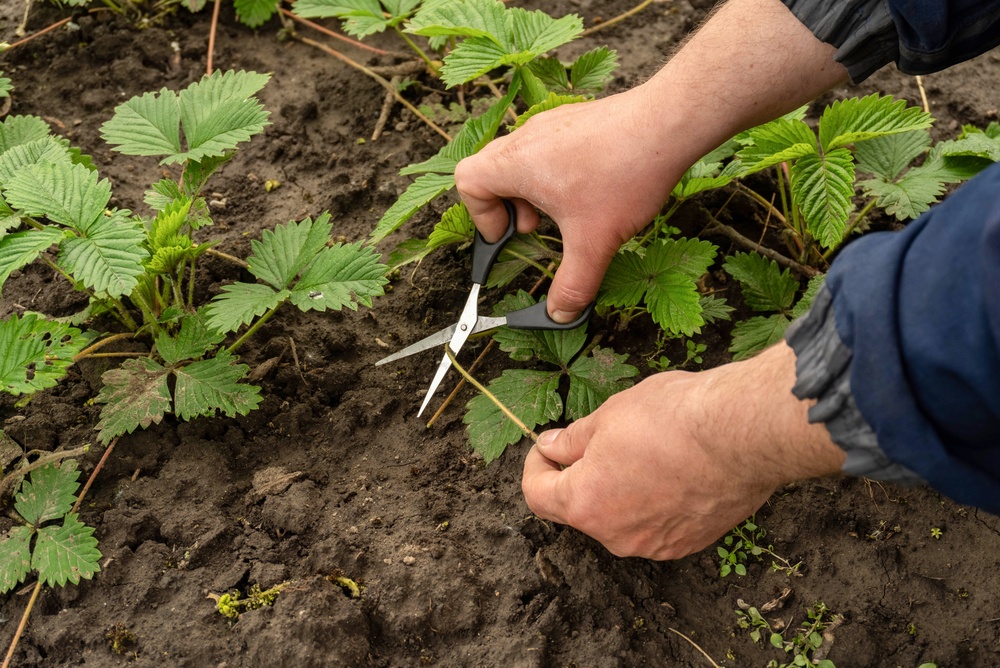
A garden full of giant green leaves can look impressive, but when tomatoes, peppers, cucumbers, or squash refuse to produce, that leafy jungle starts feeling more like a mystery than a success story. Plants need more than sunshine and water to make fruit, and sometimes too much of a good thing sends them in the wrong direction.
Leafy plants often show gardeners exactly what went wrong. A few clues in the leaves, flowers, and growing conditions can reveal whether the problem comes from fertilizer, pollination, weather, or simple plant stress. With a few adjustments, many fruitless plants can get back on track and start putting energy into the harvest instead of creating another forest of green.
Too Much Nitrogen Can Create Beautiful Leaves but Few Vegetables
Nitrogen helps plants build strong stems and lush foliage, but too much nitrogen can turn a vegetable garden into a leafy display with very little food production. Gardeners often see this problem after adding generous amounts of fresh manure or high-nitrogen fertilizers because the plants receive a strong signal to grow leaves rather than flowers and fruit. Tomato plants especially can become tall, dark green, and impressive while producing disappointing harvests. The plant looks healthy at first glance, which makes the problem easy to miss.
A common backyard example involves a tomato plant that reaches five feet tall with thick leaves but only produces a handful of blossoms. In many cases, the plant simply receives more nitrogen than it needs. A soil test can help identify nutrient levels before adding more fertilizer because guessing often creates bigger problems. Switching to a fertilizer with more phosphorus and potassium can help support flower formation and fruit development, but gardeners should avoid dumping nutrients on struggling plants without knowing what the soil needs.
Compost can still play an important role because it improves soil structure and provides a slow release of nutrients. The key involves balance rather than feeding plants as much as possible. A vegetable garden should not look like a competition for the biggest leaves on the block. The goal involves healthy plants that produce something useful for the dinner table.
Flowers Need the Right Conditions Before They Turn Into Fruit
Many gardeners assume flowers automatically become vegetables, but plants need successful pollination before fruit begins forming. Tomatoes, peppers, cucumbers, squash, and many other crops rely on pollen moving from the male part of a flower to the female part. If that process fails, flowers may drop, dry up, or disappear without leaving behind a tiny fruit.
Weather often plays a major role in pollination problems. Extremely hot temperatures can interfere with tomato pollen, while rainy conditions can make it harder for pollinators to move around the garden. Cucumbers and squash also face challenges because they produce separate male and female flowers, and gardeners sometimes notice plenty of blossoms without any developing vegetables.
A closer look at the flowers can reveal what is happening. Squash plants with only male flowers will not produce squash yet, while female squash flowers have a small swollen section behind the blossom that eventually becomes the fruit. Encouraging pollinators with flowers such as marigolds, zinnias, or native flowering plants can bring more helpful insects into the garden. In smaller gardens, gardeners can also hand-pollinate certain crops by moving pollen between flowers with a small brush.
Plant Stress Can Send Energy Away From Fruit Production
Plants are surprisingly good at survival, and they often change their priorities when conditions become difficult. When a plant faces drought, extreme heat, poor soil drainage, or root problems, it may focus energy on staying alive instead of producing fruit. This explains why a cucumber plant can look fine one week and suddenly stop producing after a stretch of harsh weather.
Watering habits often make a bigger difference than many gardeners realize. A plant that swings between very dry soil and heavy watering experiences stress that affects flower and fruit development. Consistent moisture helps many vegetable crops perform better, especially during flowering and fruit formation. Mulch around plants can help keep soil moisture more stable while also reducing competition from weeds.
Root health also matters because roots act as the plant’s supply system. Compacted soil, damaged roots, or poor drainage can limit access to water and nutrients. Digging carefully around established plants and improving soil with compost can help create better growing conditions without disturbing roots. Healthy roots give plants a stronger foundation for producing a harvest.
Timing and Plant Care Habits Can Change Your Harvest
Sometimes the problem does not come from a mistake at all. Some plants simply need time before they begin producing fruit, especially when gardeners plant too early or choose varieties that require longer growing seasons. A young pepper plant may spend weeks building size before it starts filling out with peppers, and impatience can make a gardener reach for unnecessary fixes.
Pruning habits can also influence production. Tomato plants benefit from removing unnecessary suckers on certain varieties, but removing too much foliage can reduce the plant’s ability to capture sunlight. Cucumber and squash plants also need enough healthy leaves to create the energy required for fruit production. Cutting plants back too aggressively can accidentally remove the very parts that support the harvest.
Gardeners should also check whether plants receive enough sunlight. Most fruiting vegetables need several hours of direct sunlight each day to produce well. A tomato plant growing under a shady tree may create beautiful leaves while struggling to make tomatoes. Moving containers or adjusting nearby plants can sometimes solve the problem without adding anything to the soil.
A Leafy Garden Can Still Become a Productive Garden
A plant covered in leaves is not a lost cause. In many cases, those green leaves show that the plant has energy and a strong foundation, but something prevents it from shifting into fruit production. The solution usually comes from small changes rather than dramatic garden makeovers.
Start by checking the basics: soil nutrients, sunlight, watering patterns, flowers, and pollination. Look at the whole picture instead of focusing on one possible problem. Gardening often feels like detective work because plants communicate through subtle signs rather than words.
What has your garden done this year: produced more leaves than vegetables, or surprised you with a bumper harvest? Give us your gardening story and tips in the comments.
You May Also Like…
Stop Throwing Away Lawn Clippings: Use “Leaf Litter” as Mulch to Feed Soil and Save Money
Why Healthy Leaves Don’t Always Mean Strong Root Systems
Common Leaf Spot Problems and How to Treat Them
The Hidden Causes of Curling Leaves and How to Stop Them
March Bugs That Target Tender New Leaves

Brandon Marcus is a staff writer for FrugalGardening.com at District Media, Inc., where he delivers practical gardening advice with a relatable, no-nonsense style. An avid amateur gardener, he holds a BA degree and with over ten years of professional writing experience, he is also an award-winning published author whose first book, Questions For Deep Thinkers, was released by Adams Media. His work has appeared in major publications including Fandom.com, CHUD.com, TheColdWire.com, and Fansided.com.
Leave a Reply