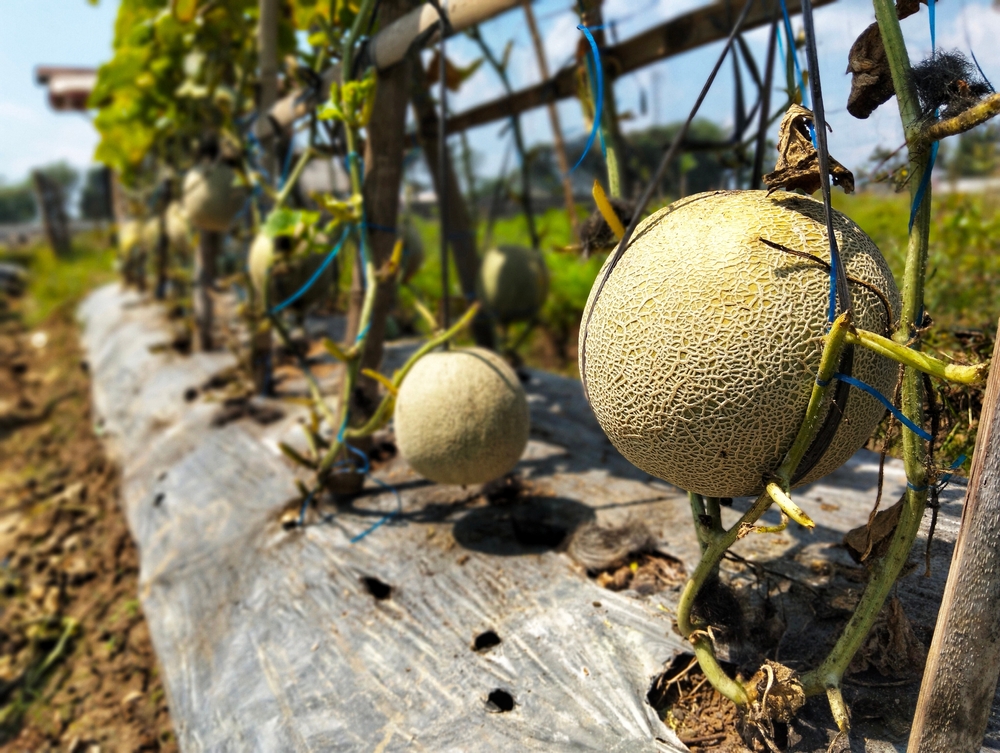
Melon vines can look healthy, stretch across the garden, and burst with bright yellow flowers, yet still refuse to produce fruit. That situation frustrates plenty of gardeners during hot summers, but it often has a perfectly normal explanation. Warm weather can delay the appearance of female flowers, even while male flowers bloom in large numbers.
That delay does not mean the crop has failed. Melons naturally produce male flowers first, and high temperatures can extend that phase longer than many gardeners expect. A little patience, combined with smart watering and good growing conditions, usually gives the plants exactly what they need to move into fruit production.
Why Melons Produce Male Flowers First
Many gardeners assume every flower on a melon vine should become fruit, but melons follow a different strategy. Plants such as watermelon, cantaloupe, muskmelon, and honeydew belong to the cucurbit family, and they typically produce male flowers before female ones. Male flowers supply pollen, while female flowers contain the tiny swollen ovary that eventually develops into the melon itself.
Warm temperatures often stretch out that early flowering stage. Instead of quickly shifting into female flower production, the vine focuses on vigorous growth and continues producing male blooms for a while longer. That pattern surprises new gardeners every season because the vines look full of life, yet no tiny melons appear beneath the blossoms. Healthy leaves, long vines, and plenty of male flowers usually signal that the plant still follows its normal growth cycle rather than struggling with disease.
Heat Can Change the Plant’s Priorities
Hot weather influences more than human comfort. Melon plants react to environmental conditions every day, and prolonged heat encourages them to direct energy toward survival instead of reproduction. When daytime temperatures climb well into the upper range for several days, the plant often postpones female flower production until conditions become slightly more favorable.
Gardeners sometimes make the situation worse by adding extra fertilizer after spotting the lack of fruit. High-nitrogen fertilizer pushes even more leafy growth, which delays flowering even longer. Consistent moisture helps far more than extra feeding because drought stress also affects flower development. Deep watering, mulch around the base of the plant, and steady soil moisture create a more stable environment that encourages the vine to begin producing female flowers as temperatures moderate.
Spotting the Difference Between Male and Female Flowers
A quick look beneath each blossom tells the story. Male flowers grow on thin stems without any swelling, while female flowers sit above a miniature melon that already resembles the fruit it will become after successful pollination. That tiny bulge gives gardeners an easy way to identify which flowers matter for fruit production.
Many gardeners walk through the garden too early in the season, count dozens of flowers, and assume pollination has failed. In reality, every blossom they counted probably belonged to the male side of the equation. Once female flowers finally appear, bees and other pollinators transfer pollen from the male blooms to the female blossoms. If pollination succeeds, that tiny melon begins growing within days. If it fails, the miniature fruit shrivels and drops off, making pollinator activity just as important as flower timing.
Simple Steps That Help Melons Set Fruit
Patience ranks surprisingly high on the list of successful melon-growing techniques. Gardeners often expect fruit immediately after the first blooms appear, but nature follows its own schedule. Giving vines enough space, plenty of sunlight, and consistently moist soil supports healthy flowering without unnecessary stress.
Pollinators also deserve attention. Bees visit melon flowers during the morning when blossoms open and pollen remains fresh. Avoid spraying insecticides while flowers bloom because those products can reduce pollinator activity when the plants need it most. A layer of organic mulch helps keep roots cooler, reduces water loss, and limits dramatic swings in soil moisture, all of which encourage steady plant development during hot stretches of summer.
The Harvest Usually Arrives Right on Time
A melon patch full of male flowers can test anyone’s patience, but it rarely signals disaster. Once temperatures settle and the vines mature, female flowers usually begin appearing in greater numbers, followed by successful pollination and developing fruit. Gardeners who resist the urge to overcorrect often enjoy better harvests than those who constantly change watering schedules or add unnecessary fertilizer.
The best gardens reward careful observation instead of quick reactions. Healthy vines, balanced watering, rich soil, and active pollinators create the conditions melons need to move naturally from flowering to fruiting. Instead of worrying over every blossom, keep watching the vines closely because those tiny baby melons often seem to appear almost overnight after the first female flowers finally arrive.
What Patience Rewards in the Melon Patch
Melons rarely follow a gardener’s calendar, especially during stretches of hot weather. Delayed female flowers often represent a normal response to heat rather than a sign of failure, and most healthy plants catch up once conditions improve. Keeping the soil evenly moist, avoiding excessive nitrogen fertilizer, and encouraging pollinators gives the vines the best chance to produce a satisfying harvest. Sometimes the smartest gardening move involves doing less, watching more carefully, and letting the plants follow their natural rhythm.
What has surprised you most while growing melons, and have you ever watched a vine suddenly switch from producing only male flowers to setting fruit almost overnight? Share your experience in the comments!
You May Also Like…
Skip the Transplants: These Warm-Weather Veggies Excel When Direct-Sown Now
10 Plants That Actually Prefer Hot Weather
7 Backyard Gardening Ideas That Could Save Money All Summer Long
10 Plants That Can Survive Brutal Southern Summers
How to Build a Low-Cost Shade Setup for July Vegetables

Brandon Marcus is a staff writer for FrugalGardening.com at District Media, Inc., where he delivers practical gardening advice with a relatable, no-nonsense style. An avid amateur gardener, he holds a BA degree and with over ten years of professional writing experience, he is also an award-winning published author whose first book, Questions For Deep Thinkers, was released by Adams Media. His work has appeared in major publications including Fandom.com, CHUD.com, TheColdWire.com, and Fansided.com.
Leave a Reply