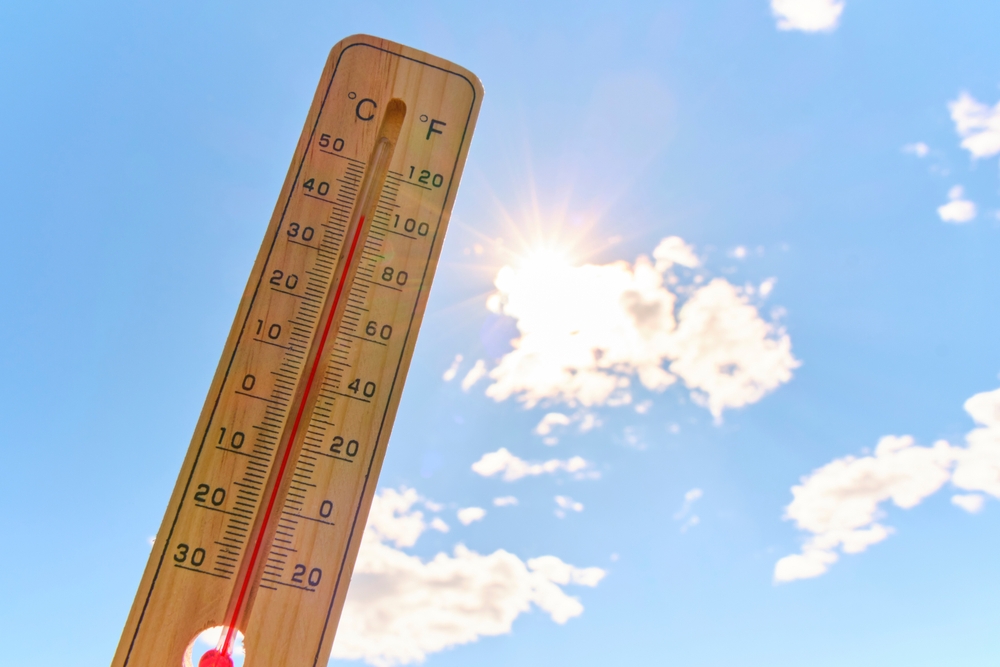
A summer heatwave changes the rules in the garden, yet many people keep watering the same way they always have. That simple mistake often leaves plants stressed, even when they receive water every day. The gardening rule more Americans are ignoring is surprisingly simple: water deeply and less often instead of giving plants a quick daily sprinkle.
At first glance, frequent light watering feels like the caring thing to do. A quick spray cools the leaves, dampens the soil, and checks watering off the to-do list. Unfortunately, shallow watering encourages roots to stay close to the surface where the soil dries out the fastest. When another scorching afternoon arrives, those plants struggle because their roots never learned to search deeper for moisture.
Water the Soil, Not the Clock
Heatwaves tempt gardeners to drag out the hose every evening, whether the garden needs it or not. Plants, however, care much more about how deeply water reaches than how often the watering can appears. A thorough soaking encourages roots to grow farther into the soil, where moisture lingers much longer than it does near the surface. That deeper root system gives plants a much better chance when temperatures refuse to cooperate.
A tomato plant offers a perfect example. One that receives a light sprinkle every afternoon often develops shallow roots that dry quickly. Another tomato that receives a deep soaking every few days usually reaches farther underground for water, making it more resilient during stretches of intense heat. The difference rarely shows up overnight, but by the middle of summer, it becomes surprisingly obvious.
Midday Watering Wastes More Than People Think
The hottest part of the day feels like the moment plants need water most. In reality, much of that moisture disappears before roots can make good use of it. Bright sunshine, hot soil, and rising temperatures speed up evaporation, especially when water lands on sidewalks, mulch, or exposed ground instead of soaking deeply into the root zone.
Early morning remains the gold standard for watering. Cooler temperatures allow moisture to penetrate the soil before the sun begins baking everything in sight. Plants also enter the day’s heat with a full supply of water already available around their roots. Evening watering can work when mornings prove impossible, but leaves should have enough time to dry before nightfall to reduce disease problems.
Mulch Becomes the Garden’s Secret Weapon
A freshly watered garden without mulch resembles an ice cube sitting on a hot sidewalk. Moisture disappears much faster than many gardeners realize. A two- to three-inch layer of organic mulch helps slow evaporation while keeping soil temperatures noticeably cooler. Wood chips, shredded bark, straw, or shredded leaves all do a remarkable job during summer heat.
Anyone who has pulled back mulch after several blistering days has probably noticed the cool, slightly damp soil underneath. Just a few inches away, uncovered soil often feels hot enough to bake bread. That contrast explains why mulched plants usually bounce back much faster after extreme weather. Mulch quietly handles one of the hardest jobs in the garden without asking for much attention.
Resist the Urge to Fertilize During Extreme Heat
Plants under heat stress focus on survival, not rapid growth. Adding fertilizer during a heatwave often encourages fresh growth that demands even more water at exactly the wrong time. Tender new leaves can scorch quickly under blazing sunshine, leaving gardeners puzzled about why their plants suddenly look worse instead of better.
Waiting until temperatures become more moderate allows plants to use nutrients far more effectively. During a heatwave, consistent watering and healthy soil matter much more than pushing extra growth. Sometimes the best gardening decision involves resisting the urge to “help.” A little patience often produces stronger plants than another scoop of fertilizer.
Learn the Difference Between Wilting and Dry Soil
Few sights make gardeners panic faster than drooping leaves on a blazing afternoon. The natural reaction involves grabbing the hose immediately. Yet many plants temporarily wilt during extreme heat even when the soil still contains enough moisture. They often recover on their own once evening temperatures cool.
Instead of watering by appearance alone, check the soil several inches below the surface with a finger or small trowel. If the soil still feels moist, the plant may simply wait out the hottest part of the day. If it feels dry well below the surface, then it is time for a deep watering. That quick check prevents overwatering, which can damage roots just as surely as drought.
Containers Need Their Own Heatwave Strategy
Potted plants play by a different set of rules. Containers heat up much faster than garden beds because the sun warms every side of the pot. Their limited soil also holds far less moisture, so water disappears quickly during prolonged hot weather. Even experienced gardeners sometimes underestimate how rapidly containers dry out.
Large pots generally retain moisture longer than small ones, while light-colored containers stay cooler than dark plastic pots sitting in direct sunlight. Moving containers into afternoon shade during a heatwave often reduces stress without affecting flowering or vegetable production. A little repositioning can spare both plants and gardeners a great deal of frustration.
Give Your Garden a Fighting Chance This Summer
Heatwaves test even well-established gardens, but smart watering habits make an enormous difference. Deep watering, morning irrigation, generous mulch, and careful observation all help plants handle soaring temperatures with far less stress. Gardens rarely need more water simply because the thermometer climbs. They usually need better watering habits.
A healthy summer garden does not come from working harder with the hose. It comes from working smarter and giving roots exactly what they need beneath the surface. When the next heatwave rolls in, those simple adjustments can mean the difference between plants that merely survive and plants that continue producing flowers, vegetables, and beautiful foliage long after the hottest days pass.
What watering trick has helped your garden handle a summer heatwave, or did one of these tips surprise you? Let’s hear your experience in the comments below.
You May Also Like…
8 Flowers That Keep Blooming Through the Worst Summer Heat
10 Plants That Can Survive Brutal Southern Summers
7 Cheap Ways to Protect Plants During Extreme Heat
10 Flowers That Bloom Even During Extreme Heat
10 Vegetables That Actually Thrive During Brutal Heat Waves

Brandon Marcus is a staff writer for FrugalGardening.com at District Media, Inc., where he delivers practical gardening advice with a relatable, no-nonsense style. An avid amateur gardener, he holds a BA degree and with over ten years of professional writing experience, he is also an award-winning published author whose first book, Questions For Deep Thinkers, was released by Adams Media. His work has appeared in major publications including Fandom.com, CHUD.com, TheColdWire.com, and Fansided.com.
Leave a Reply