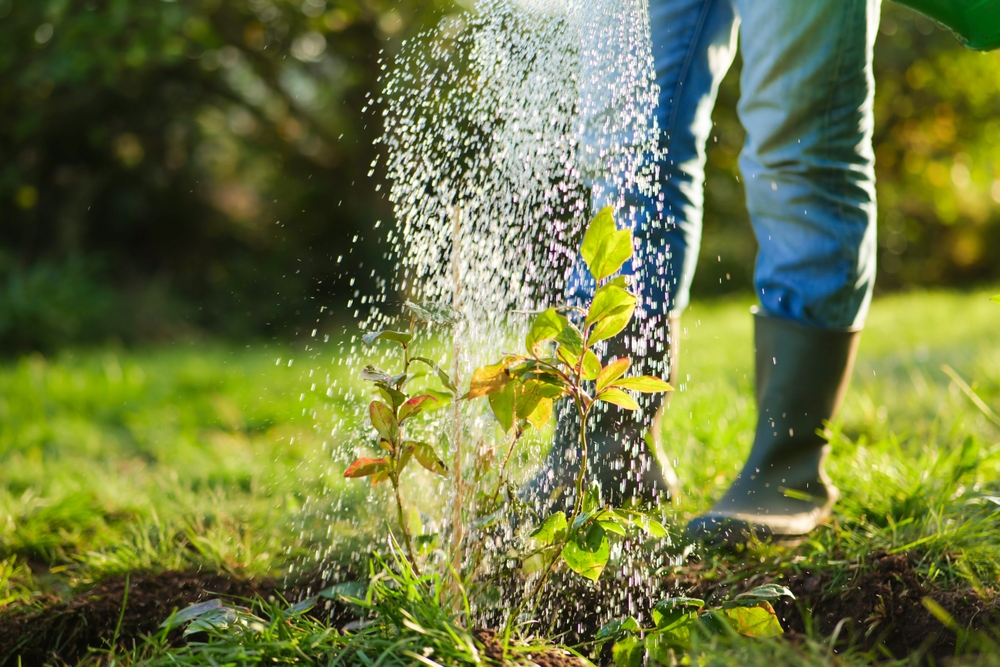
Backyards often hide one of the biggest household budget leaks: wasted water. Sprinklers run too long, hoses get left on, and plants receive far more moisture than they actually need to stay healthy. Many homeowners assume lush lawns require constant watering, yet that habit often drives utility bills higher without improving plant health. A simple shift in routine can dramatically reduce waste while keeping gardens vibrant and resilient through hot and dry stretches. Smart watering habits do not require expensive equipment or complex systems, just attention to timing and soil conditions.
This backyard gardening rule focuses on watering less often but more deeply, allowing soil to fully absorb moisture and encourage stronger root systems. Plants respond better to consistent, intentional watering schedules instead of frequent shallow sprinkling that evaporates quickly. When homeowners apply this approach, they often notice greener growth, fewer dry patches, and noticeably lower water usage. The difference shows up quickly on monthly utility statements, especially during peak summer months when outdoor water use spikes. This method transforms ordinary yards into efficient, cost-conscious landscapes without sacrificing curb appeal.
The Hidden Water Waste Happening in Most Backyards
Many backyard watering habits create waste without homeowners realizing it. Sprinklers often run on automatic timers that ignore rainfall, humidity, or soil saturation levels. Water lands on sidewalks, driveways, and already-soaked soil, where it simply evaporates or runs off. Shallow watering also encourages weak root growth, which forces plants to demand even more frequent watering. This cycle quietly inflates water bills month after month.
Soil type also plays a major role in water waste. Clay-heavy soil holds water too long, while sandy soil drains too quickly, and both conditions lead to inefficient watering routines when homeowners follow a one-size-fits-all schedule. Lawns and garden beds often receive identical watering times even though they need completely different moisture levels. This mismatch pushes households to overcompensate, which increases both water usage and frustration. Adjusting watering habits based on soil and plant needs breaks this costly cycle quickly.
The Smart Watering Rule That Cuts Bills Without Killing Plants
The most effective backyard watering rule focuses on deep, infrequent watering instead of daily light watering. This approach allows moisture to sink several inches into the soil, where roots naturally grow stronger and more drought-resistant. Plants develop resilience because they learn to reach deeper for water instead of relying on surface moisture. This method also reduces evaporation losses since water penetrates the ground instead of sitting on top. Homeowners often notice healthier plants even after reducing watering frequency by nearly half.
Timing plays a critical role in this rule. Early morning watering delivers the best results because cooler temperatures reduce evaporation and wind interference. Evening watering may seem convenient, but it often leaves soil too damp overnight, which can encourage fungal issues and pest activity. Adjusting watering schedules to early daylight hours improves absorption and efficiency almost immediately. This simple timing shift alone can cut outdoor water usage significantly without harming plant health.
Simple Backyard Changes That Lock In Water Savings
Small adjustments around the yard help lock in long-term water savings. Adding mulch around plants reduces evaporation and keeps soil temperatures stable throughout the day. Grouping plants with similar water needs prevents overwatering some areas while underwatering others. Even small upgrades like drip irrigation systems help deliver water directly to roots instead of spraying it into the air. These changes work together to maximize every drop of water used.
Regular maintenance also supports better efficiency. Checking sprinkler heads for leaks or misalignment prevents water from spraying onto hard surfaces where it cannot benefit plants. Adjusting watering schedules seasonally ensures that cooler months do not receive the same heavy watering as peak summer heat. Monitoring soil moisture with a simple finger test or moisture meter helps avoid unnecessary watering cycles. These habits create a more intentional and cost-effective approach to backyard care.
Why This One Rule Changes Everything About Backyard Water Use
The rule of watering deeply but less frequently reshapes how an entire backyard functions. Stronger root systems reduce dependency on constant irrigation, which leads to healthier plants and more stable soil conditions. Homeowners gain more control over water usage because they no longer rely on guesswork or outdated timer settings. Over time, this method builds a more resilient landscape that handles heat waves and dry spells with far less stress. The financial impact becomes clear as water bills drop steadily across seasons.
Backyard water use does not need to drain household budgets or create constant maintenance headaches. A smarter watering strategy delivers healthier plants, lower bills, and a more sustainable outdoor space with surprisingly little effort.
Which watering habit could use a reset in your own backyard? Give us your opinions and stories below in our comments section.
You May Also Like…
9 Backyard Projects That Make Summer More Enjoyable Without Spending Much
The New Backyard Trend That’s Helping Families Save Money on Groceries
5 Natural Growth Boosters That Strengthen Roots
7 Soil Amendments Many Gardeners Forget to Use That Improve Plant Growth
The Gardening Trend Younger Homeowners Are Bringing Back From the 1970s

Brandon Marcus is a staff writer for FrugalGardening.com at District Media, Inc., where he delivers practical gardening advice with a relatable, no-nonsense style. An avid amateur gardener, he holds a BA degree and with over ten years of professional writing experience, he is also an award-winning published author whose first book, Questions For Deep Thinkers, was released by Adams Media. His work has appeared in major publications including Fandom.com, CHUD.com, TheColdWire.com, and Fansided.com.
Leave a Reply