A beautiful yard can boost curb appeal, increase property value, and create an outdoor space that feels welcoming year-round. However, not every attractive plant makes a good neighbor to a house. Some species hide an aggressive side below the soil, where roots spread far beyond what most homeowners expect.
Foundation repairs can cost thousands of dollars, making plant selection far more important than many people realize. While concrete foundations look strong and immovable, persistent roots can exploit tiny cracks, shift soil, and create moisture imbalances that gradually lead to serious problems. Knowing which plants deserve extra caution can help homeowners avoid expensive surprises while still enjoying a lush landscape.
1. Willow Trees Can Chase Water Straight to Your Foundation
Willow trees grow quickly and create a dramatic landscape feature, but their roots have a well-earned reputation for causing trouble. These trees actively seek out moisture, often extending roots several times wider than the tree’s canopy. When a foundation, drainage line, or underground pipe offers access to water, willow roots frequently head straight toward it. Even small leaks can attract roots and encourage further expansion underground. Homeowners often discover the problem only after cracks appear or plumbing issues emerge.
The challenge becomes even greater because willow roots remain vigorous throughout the tree’s life. A mature willow can send roots dozens of feet away from the trunk, creating pressure on nearby structures. Landscapers typically recommend planting willows far from homes, driveways, and utility lines for this reason. Many homeowners underestimate the eventual size of the root system when planting a young sapling. That small decorative tree can become a major structural concern within a decade.
2. Silver Maple Roots Rarely Stay in Their Own Space
Silver maples earn praise for fast growth and generous shade, but their root systems often create headaches for property owners. Unlike deeper-rooted trees, silver maples tend to develop extensive surface roots that spread aggressively across a yard. These roots can lift sidewalks, crack patios, and interfere with foundations over time. In areas with clay soil, the problem often becomes even more pronounced. Shifting soil conditions combined with root expansion can place additional stress on nearby structures.
Many homeowners plant silver maples because they want quick shade coverage. Unfortunately, the same rapid growth that creates shade also fuels rapid root development. Surface roots frequently emerge above ground and continue expanding year after year. Older neighborhoods often contain examples of sidewalks buckled by mature maple roots. Planting these trees too close to a house can create similar pressure near foundation walls.
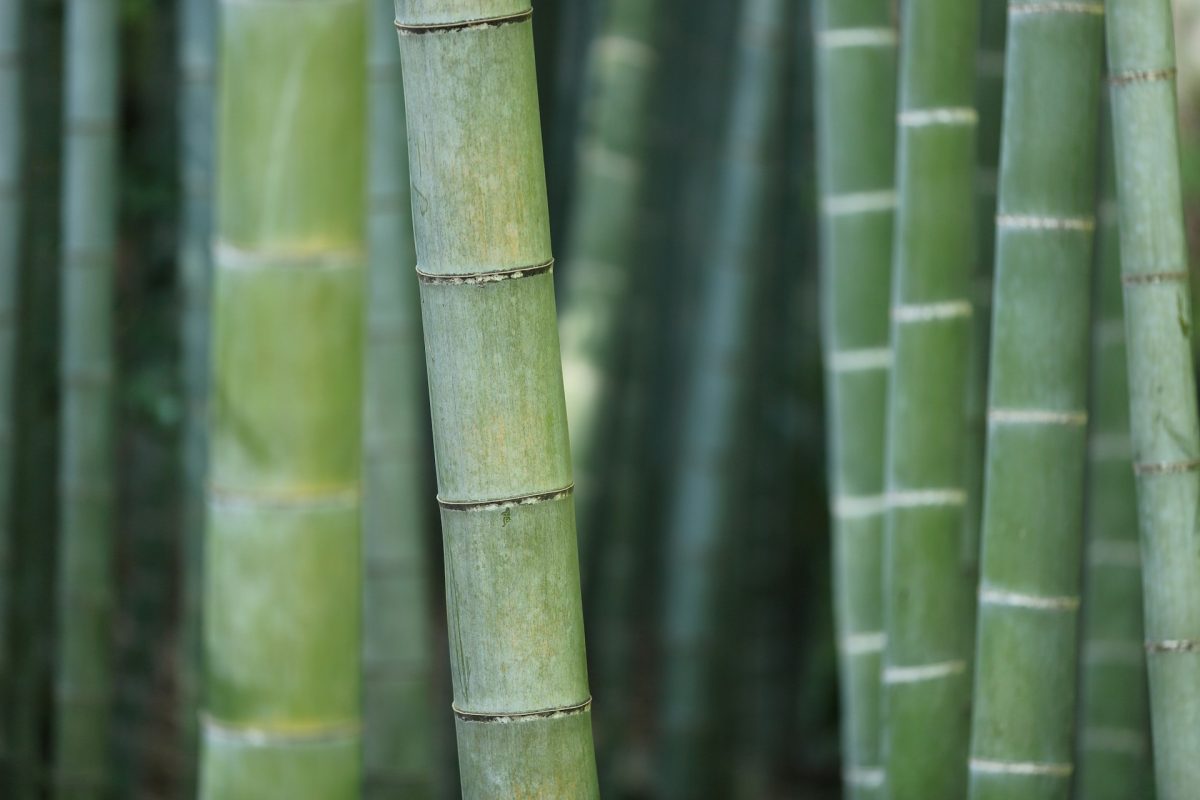
3. Bamboo Can Turn a Small Landscaping Choice Into a Big Problem
Bamboo creates privacy, adds visual interest, and delivers a tropical feel to a landscape. Unfortunately, running bamboo varieties spread through underground rhizomes that behave more like an invasion than a garden plant. These rhizomes can travel surprisingly long distances and push through weak points in hardscaping. Over time, they may contribute to damage around foundations, retaining walls, and paved surfaces. Many homeowners discover bamboo growing in places where they never intended it to reach.
The speed of bamboo growth makes containment particularly difficult. Without proper barriers, rhizomes continue expanding in multiple directions. Some varieties can spread several feet each year under favorable conditions. Removing established bamboo often requires extensive digging and persistence. Homeowners considering bamboo should research clumping varieties or install professional-grade root barriers before planting.
4. Poplar Trees Grow Fast and Cause Fast Problems
Poplar trees attract attention because they grow quickly and provide shade in a relatively short time. However, those benefits come with a substantial underground tradeoff. Poplars develop large, aggressive root systems that search aggressively for water and nutrients. These roots frequently interfere with foundations, sewer lines, and drainage systems when planted too close to structures. Fast growth above ground almost always signals significant activity below ground as well.
The issue often worsens as the tree matures. A young poplar may seem harmless when planted, but its roots continue expanding every year. Many arborists recommend substantial separation distances between poplars and buildings. Property owners who ignore those recommendations sometimes face cracked pavement, plumbing repairs, or foundation concerns years later. Choosing a slower-growing tree often reduces long-term risk.
5. Oak Trees Bring Beauty but Demand Plenty of Space
Oak trees rank among the most admired landscape trees in North America. They offer impressive longevity, strong branch structure, and beautiful seasonal character. However, large oak species also develop extensive root systems that can extend well beyond the tree’s drip line. While oak roots do not typically smash through solid concrete, they can exploit existing weaknesses and contribute to soil movement around foundations. Their sheer size makes location planning critical.
Mature oaks often influence moisture levels across a broad area. During dry periods, large root systems pull significant amounts of water from surrounding soil. In certain soil types, particularly expansive clay soils, moisture changes can contribute to foundation movement. Many foundation specialists emphasize that soil stability matters just as much as direct root pressure. Proper planting distances help homeowners enjoy these magnificent trees without inviting structural concerns.
6. Eucalyptus Trees Can Create Unexpected Foundation Stress
Eucalyptus trees remain popular in warmer climates because of their distinctive appearance and rapid growth. What many homeowners do not realize is that eucalyptus species can develop expansive root networks capable of traveling considerable distances. These roots seek moisture aggressively and may affect nearby foundations, sidewalks, and underground utilities. Their growth habits often surprise people who focus primarily on the tree’s attractive canopy.
The tree’s water consumption creates an additional concern. Large eucalyptus trees can remove substantial moisture from the surrounding soil. In regions prone to soil shrinkage during dry weather, this moisture loss can contribute to ground movement beneath foundations. Homeowners often focus on visible tree maintenance while overlooking the impact occurring below ground. Strategic placement remains the best defense against future problems.
7. Wisteria Vines Can Be More Powerful Than They Look
Wisteria often appears on lists of beautiful flowering plants, and its cascading blooms certainly deserve admiration. However, this vigorous vine combines rapid growth with remarkable strength. Mature wisteria can exert enough force to damage fences, pergolas, and other structures. Underground roots also spread extensively and can interfere with nearby hardscaping when left unmanaged. Many gardeners underestimate just how powerful this plant becomes over time.
The problem usually develops gradually. A young wisteria vine may appear charming and manageable for several years. Then the plant begins expanding rapidly, sending roots and stems into every available space. Routine pruning helps control above-ground growth, but homeowners should also pay attention to root spread. Planting wisteria well away from foundations and structural features reduces the likelihood of future damage.
Protecting Your Home Starts Below the Surface
Beautiful landscaping and foundation protection can absolutely coexist, but smart planning makes all the difference. Before planting any tree, shrub, or vine, homeowners should research mature size, root behavior, and recommended planting distances. A small investment in planning today can prevent thousands of dollars in repairs years down the road. Consulting local arborists or landscaping professionals often provides valuable insight for specific soil and climate conditions. The healthiest yard combines beauty with practical long-term thinking.
What plants have caused the biggest landscaping surprises in your yard, and would you ever remove a favorite tree to protect your home’s foundation?
You May Also Like…
8 Plants That Can Help Keep Ticks Away From Your Yard
The Backyard Feature Buyers Are Quietly Looking For in 2026
10 Cheap Plants That Make Your Yard Look Professionally Landscaped
9 Gardening Mistakes That Attract Mosquitoes to Your Yard
Transform Your Yard Into a Pollinator Paradise With These Budget-Friendly Wildflowers

Brandon Marcus is a staff writer for FrugalGardening.com at District Media, Inc., where he delivers practical gardening advice with a relatable, no-nonsense style. An avid amateur gardener, he holds a BA degree and with over ten years of professional writing experience, he is also an award-winning published author whose first book, Questions For Deep Thinkers, was released by Adams Media. His work has appeared in major publications including Fandom.com, CHUD.com, TheColdWire.com, and Fansided.com.
Leave a Reply