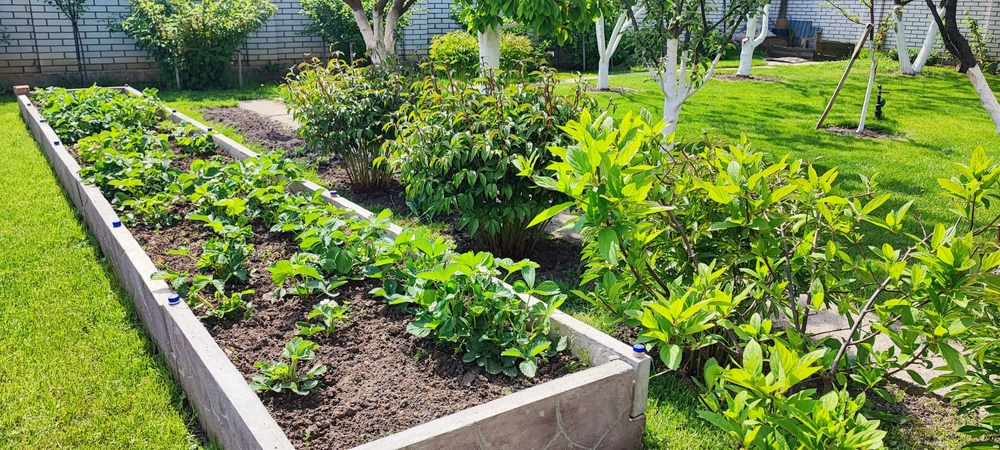
Backyards in 2026 no longer serve as simple patches of grass with a grill tucked in the corner. Homeowners now treat outdoor spaces like functional extensions of the house, packed with purpose, comfort, and long-term value. Buyers quietly scan listings for yards that offer more than looks; they want performance, resilience, and year-round usability. Landscapes now compete with kitchens and bathrooms in importance during home searches. The biggest shift centers on one idea: outdoor spaces must work smarter, not harder.
This new demand pushes designers and gardeners to rethink every square foot of soil, shade, and structure. Old-school lawns lose ground to layered ecosystems that support food, relaxation, and sustainability. Even modest backyards now showcase intentional design choices that solve real problems like water waste and heat buildup. Buyers notice when a yard reduces maintenance instead of adding to it. The most sought-after feature blends environmental intelligence with everyday comfort in a way that feels effortless but highly engineered.
The Rise of Climate-Resilient Backyard Design
Homeowners now prioritize landscapes that handle weather extremes without constant intervention. Heat waves, heavy rain, and unpredictable frost cycles push traditional lawns into decline. Designers respond by introducing heat-tolerant plants, permeable surfaces, and shade-first layouts that keep outdoor spaces usable longer. Buyers see these choices as long-term savings rather than aesthetic upgrades. A climate-resilient yard signals foresight, which boosts perceived home value immediately.
Smart plant groupings now replace random flower beds with intentional ecological zones. Gardeners mix native shrubs, deep-rooted grasses, and drought-resistant perennials to stabilize soil and reduce watering needs. Windbreak hedges and shade trees now serve as functional infrastructure rather than decorative extras. These features create microclimates that protect outdoor living zones from temperature swings. Buyers quietly favor homes that have already solved climate stress before they even step outside.
Smart Water Systems Are Quietly Stealing the Spotlight
Water efficiency now drives backyard decisions more than ever before. Homebuyers increasingly ask how a property manages irrigation, runoff, and seasonal drought conditions. Smart irrigation systems answer those concerns with soil sensors, weather tracking, and precision watering schedules. These systems cut waste while keeping plants healthy without constant oversight. A yard that manages its own hydration feels modern, responsible, and cost-effective.
Rainwater harvesting systems also gained traction in 2026 as homeowners look for practical sustainability. Barrels and underground cisterns collect runoff and redirect it toward gardens and lawns with minimal effort. Gravel basins and bioswales guide excess water away from foundations while feeding plant roots. These systems reduce utility bills and protect landscaping during dry spells. Buyers recognize these upgrades as hidden value drivers that reduce future maintenance headaches.
Outdoor Wellness Spaces Are Becoming Non-Negotiable
Backyards now compete with spas, gyms, and relaxation lounges as homeowners build dedicated wellness zones. People carve out spaces for yoga decks, meditation gardens, and shaded reading corners that encourage daily outdoor time. Designers increasingly install pergolas, privacy screens, and soft lighting to create calm, retreat-like environments. These additions shift backyards from occasional-use areas into daily mental health tools. Buyers see wellness features as lifestyle upgrades rather than luxury extras.
Cold plunge tubs, outdoor showers, and sauna pods also gain momentum in colder regions. Even small yards accommodate compact wellness installations through modular design and clever layout planning. Natural materials like cedar, stone, and bamboo help these areas blend into the landscape instead of standing out awkwardly. Homeowners appreciate how these features reduce stress without requiring travel or memberships. Buyers now rank wellness functionality nearly as high as kitchen upgrades during home evaluations.
Biodiversity Corners That Turn Lawns Into Living Ecosystems
Monoculture lawns continue to fade as biodiversity gardens rise in popularity. Homeowners now dedicate sections of their yards to pollinators, birds, and beneficial insects. Native plant clusters attract bees and butterflies while strengthening local ecosystems. These spaces require less water and fewer chemicals, which reduces long-term upkeep costs. Buyers see biodiversity zones as both eco-conscious and financially practical.
Even small backyard corners now host mini-habitats filled with layered vegetation and natural ground cover. Logs, stones, and wildflower patches replace sterile turf in carefully designed sections. These areas support soil health while adding visual texture that evolves through the seasons. Gardeners enjoy watching these living systems change year after year with minimal intervention. Buyers quietly value these ecosystems because they signal thoughtful land stewardship and reduced maintenance pressure.
What Homeowners Really Want From Their Backyards in 2026
The modern backyard no longer revolves around single features like lawns or patios. Instead, buyers look for integrated systems that support climate resilience, water efficiency, wellness, and biodiversity all at once. Each feature works together to reduce effort while increasing daily enjoyment. Homeowners now treat outdoor spaces as long-term investments in comfort, sustainability, and livability. The quiet trend shaping 2026 focuses on function-first design that still feels beautiful and personal.
Which backyard feature would make the biggest difference in everyday life—water efficiency, wellness space, or biodiversity design? Share your thoughts and ideas in the comments.
You May Also Like…
7 Backyard Plants Snakes Love to Hide Around
8 Plants That Secretly Make Your Backyard Feel 10 Degrees Cooler
The Backyard Gardening Trend That’s Exploding Across America This Summer
Stop Buying Mulch: 3 Free Alternatives Already in Your Backyard
The Fast-Spreading Backyard Weed You Should Remove Early

Brandon Marcus is a staff writer for FrugalGardening.com at District Media, Inc., where he delivers practical gardening advice with a relatable, no-nonsense style. An avid amateur gardener, he holds a BA degree and with over ten years of professional writing experience, he is also an award-winning published author whose first book, Questions For Deep Thinkers, was released by Adams Media. His work has appeared in major publications including Fandom.com, CHUD.com, TheColdWire.com, and Fansided.com.
Leave a Reply