A garden can look perfectly calm in the evening and turn into a disaster by morning. One overlooked mistake often triggers sudden crop loss that leaves gardeners frustrated and confused. Many plants collapse overnight because conditions shift faster than most people expect. Small decisions made late in the day can set off a chain reaction across an entire growing space. Once damage spreads, recovery takes weeks or sometimes ends the season early.
Healthy gardens rely on timing, balance, and attention to detail. When one key factor slips out of control, pests, disease, or weather stress can move in quickly. A single night can decide whether a harvest reaches the table or disappears before sunrise.
Why Overnight Harvest Loss Happens So Fast
Temperature swings create sudden stress that weakens plant defenses in just a few hours. Warm soil paired with cool night air encourages fungal growth that spreads rapidly across leaves and stems. Plants that looked strong during the day can droop by morning when moisture and heat clash in the wrong way. Gardeners often miss early warning signs because damage accelerates while everyone sleeps. This rapid change sets the stage for widespread crop failure before anyone has a chance to react.
Timing mistakes often magnify the damage even further. Watering late in the evening leaves foliage damp through the night, which invites mildew and rot to take hold. That moisture creates a perfect environment for disease organisms to multiply without interruption. Once infection spreads across connected plants, entire rows can suffer in a single cycle. Smart gardeners treat evening conditions as carefully as midday heat because the wrong move after sunset can reshape the whole harvest.
The Irrigation Mistake That Turns Soil Into a Disaster Zone
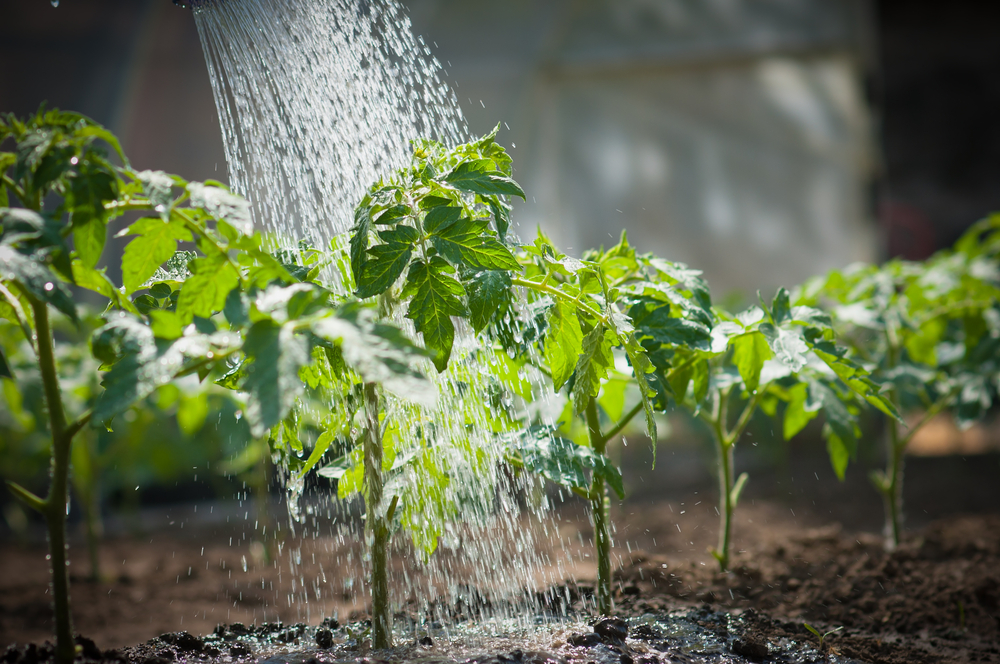
Overwatering at the wrong time stands out as one of the fastest ways to lose a garden overnight. Soil that stays saturated after sunset suffocates roots and slows oxygen exchange. Plants respond by shutting down growth processes and weakening their internal systems. When roots lose strength, they cannot support leaves, fruit, or stems effectively. By morning, entire sections of the garden may look wilted even if they appeared healthy the night before.
Even drip systems can cause problems when they run too long or activate too late. Excess moisture pools around root zones and attracts pests like slugs and fungus gnats. These pests feed aggressively during dark hours when natural predators stay inactive. As populations grow overnight, damage multiplies across multiple plants without immediate detection. Careful watering schedules that end before dusk help keep soil balanced and reduce the risk of sudden collapse.
Pests That Multiply While Gardeners Sleep
Nighttime creates the perfect opportunity for pests to take over a garden without resistance. Slugs, caterpillars, and beetles often feed aggressively after sunset when temperatures drop. These pests target tender leaves and young shoots that support future harvests. A few hours of unchecked feeding can strip plants down to bare stems. By morning, gardeners often find damage that looks like it happened all at once.
Insect reproduction also accelerates in quiet, undisturbed conditions. Eggs laid during the day can hatch overnight and immediately begin feeding on nearby plants. This rapid cycle turns a small problem into a full infestation in less than twenty-four hours. Without natural disturbance, pests expand across garden beds in organized patterns that follow food sources. Monitoring plants in the evening helps catch early activity before it spreads beyond control.
How Smart Gardeners Lock In a Safe Harvest
Experienced gardeners build protection plans that focus on preventing overnight surprises. They adjust watering schedules so soil dries slightly before nightfall, which reduces disease risk. Protective barriers like row covers help block pests from accessing vulnerable crops after dark. Strategic spacing between plants improves airflow and lowers humidity buildup. These simple habits create a stable environment that resists sudden collapse.
Attention to detail makes the biggest difference when protecting a harvest. Regular evening checks help identify weak plants before problems spread. Gardeners who remove damaged leaves quickly stop pests and disease from gaining momentum. Consistent observation also reveals patterns that signal future trouble before it becomes visible. A garden that stays stable overnight reflects steady care throughout the entire growing cycle.
The Nighttime Habits That Protect Every Harvest
Garden success depends on what happens after the sun goes down just as much as daytime care. Small mistakes in irrigation, pest control, or timing can reshape an entire crop in a single night. Gardens respond quickly to imbalance, and recovery often takes far longer than prevention. Smart routines built around evening conditions help maintain stability across all plants. Strong harvests come from consistent choices that protect the garden even when no one is watching.
What nighttime gardening habit has made the biggest difference in protecting crops in your experience?
You May Also Like…
The Heatwave Gardening Mistake Experts Keep Warning About
The Garden Center Advice That Cost Me Hundreds of Dollars
10 Cheap Plants That Make Your Yard Look Professionally Landscaped
The 7 Most Heat-Tolerant Plants for Busy Gardeners
The Root Rot Warning Signs Most Gardeners Miss

Brandon Marcus is a staff writer for FrugalGardening.com at District Media, Inc., where he delivers practical gardening advice with a relatable, no-nonsense style. An avid amateur gardener, he holds a BA degree and with over ten years of professional writing experience, he is also an award-winning published author whose first book, Questions For Deep Thinkers, was released by Adams Media. His work has appeared in major publications including Fandom.com, CHUD.com, TheColdWire.com, and Fansided.com.
Leave a Reply