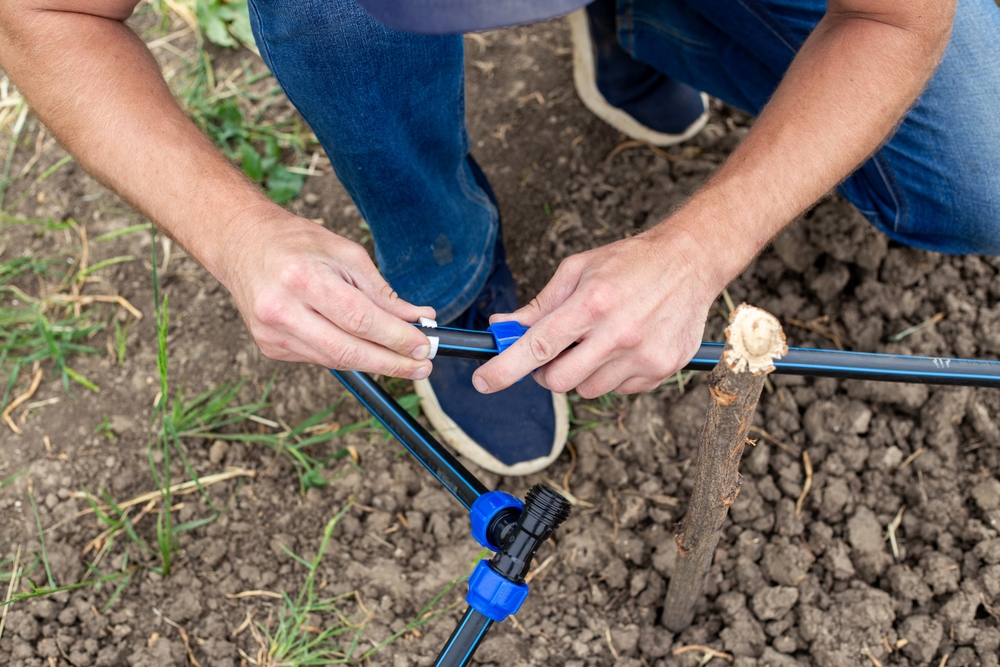
Summer heat pushes gardens into survival mode, and water bills often climb right along with temperatures. A drip irrigation system offers a smart way to deliver moisture directly to plant roots without wasteful runoff or evaporation losses. Instead of soaking entire garden beds, this setup targets exactly where plants need hydration most. Home gardeners across suburban yards and small urban plots increasingly turn to drip systems for efficiency and control. June provides the perfect window to install one before peak heat stresses plants and budgets alike.
This approach also reduces the guesswork that often leads to overwatering or underwatering, both of which damage plant health and waste resources. A properly designed drip system keeps soil consistently moist without flooding it, which helps vegetables, herbs, and flowers develop strong root structures. Gardeners who switch to drip irrigation often notice fewer weeds because dry surface soil limits unwanted germination. The system also minimizes fungal issues since foliage stays dry instead of getting repeatedly soaked. With a little planning, even beginners can build a reliable setup that performs all season long.
Why Drip Irrigation Changes The Way Gardens Use Water
Drip irrigation directs water slowly and precisely into the soil, which reduces evaporation losses that often occur with sprinklers. This method delivers moisture right at the root zone, where plants absorb it most efficiently. Gardeners gain better control over how much water each plant receives, which prevents waste and uneven growth patterns. Municipal water reports often show that drip systems can reduce outdoor water use by up to fifty percent in well-managed gardens. That efficiency translates into noticeable savings on utility bills during peak summer months.
Drip systems also help protect plants from stress caused by inconsistent watering schedules. Many gardens suffer when hoses get forgotten or sprinklers oversaturate certain areas while missing others. A drip setup solves these problems by creating a steady and predictable moisture supply. Plants respond with healthier foliage, stronger stems, and more reliable harvests in edible gardens. Consistency becomes the secret advantage that separates struggling gardens from well-balanced ones.
Materials Needed To Build A Simple Drip Irrigation System
A basic drip irrigation system requires tubing, emitters, a pressure regulator, and a connection adapter for an outdoor spigot. Most garden centers sell starter kits that include these components, which simplifies the setup process for beginners. Poly tubing forms the main water line, while smaller drip lines branch off toward individual plants. Emitters control the flow rate and ensure each plant receives a steady trickle instead of a flood. A timer adds convenience by automating watering schedules and removing daily guesswork.
Gardeners often improve system performance by adding a filter that prevents debris from clogging emitters. Clean water flow keeps the system consistent and reduces maintenance headaches later in the season. Additional stakes and connectors help secure tubing along garden beds and prevent shifting after installation. Many gardeners also choose mulch to cover exposed tubing and further reduce evaporation. These materials combine to create a simple yet highly effective watering network that adapts to almost any garden layout.
Step-By-Step Setup For A Backyard Drip Irrigation System
Start by mapping out garden beds and identifying plants that need consistent watering, such as tomatoes, peppers, and herbs. Lay the main tubing along the perimeter of each bed and cut sections where branches will extend toward individual plants. Attach emitters near the base of each plant to ensure water reaches root zones without soaking surrounding soil unnecessarily. Connect the system to an outdoor spigot using a pressure regulator to protect tubing from damage caused by high water pressure.
Test the system before burying or securing tubing in place to confirm even water distribution across all emitters. Adjust emitter placement if certain plants receive too much or too little moisture during the initial run. Secure tubing with stakes to prevent movement caused by wind, pets, or garden maintenance activities. Run the system for short cycles at first, then gradually increase duration based on plant needs and soil absorption rates. This careful setup phase ensures long-term efficiency and reduces the need for constant adjustments later in the season.
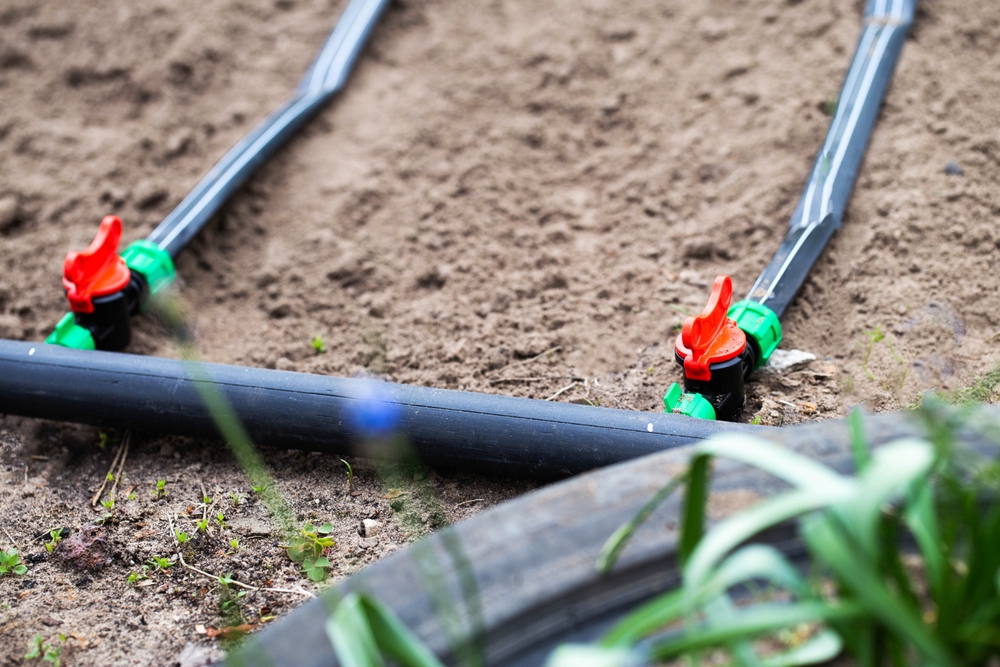
Smart Maintenance Habits That Keep Drip Systems Efficient
Routine maintenance keeps a drip irrigation system running smoothly throughout the growing season. Gardeners should flush the system every few weeks to remove sediment buildup that can block emitters. Inspect tubing regularly for cracks, leaks, or loose connections that reduce water efficiency. Replace damaged components quickly to prevent uneven watering patterns that stress plants.
Seasonal adjustments also improve performance as temperatures rise or rainfall patterns shift. Many gardeners reduce watering times after heavy rain to avoid oversaturation and root problems. Checking soil moisture with a simple finger test helps fine-tune schedules without relying solely on timers. Keeping a log of watering cycles helps identify patterns that improve efficiency over time. These small habits protect both the system and the garden’s overall health while keeping water use under control.
A Simple Garden Upgrade That Pays Off All Summer Long
A DIY drip irrigation system transforms summer gardening into a more controlled, efficient, and cost-conscious experience. This setup delivers water exactly where plants need it, which reduces waste and improves plant performance across vegetables, flowers, and herbs. Installation takes a few focused hours but delivers benefits that last throughout the entire growing season. Gardeners who adopt this system often notice healthier soil, fewer weeds, and more predictable watering routines. June offers an ideal moment to set everything up before extreme heat arrives and water demands increase.
What garden space could benefit most from a water-saving upgrade this summer? Share thoughts and experiences in the comments.
You May Also Like…
DIY Irrigation Systems for Small Gardens That Cost Under $20
Why Watering Consistency Matters More Than Volume
The Overwatering Issue That Weakens Root Systems
Why “Self-Watering” Pots are Often a Waste of Cash (And How to DIY Them)
Why Plants Wilt Even After Watering and What to Do

Brandon Marcus is a staff writer for FrugalGardening.com at District Media, Inc., where he delivers practical gardening advice with a relatable, no-nonsense style. An avid amateur gardener, he holds a BA degree and with over ten years of professional writing experience, he is also an award-winning published author whose first book, Questions For Deep Thinkers, was released by Adams Media. His work has appeared in major publications including Fandom.com, CHUD.com, TheColdWire.com, and Fansided.com.
Leave a Reply