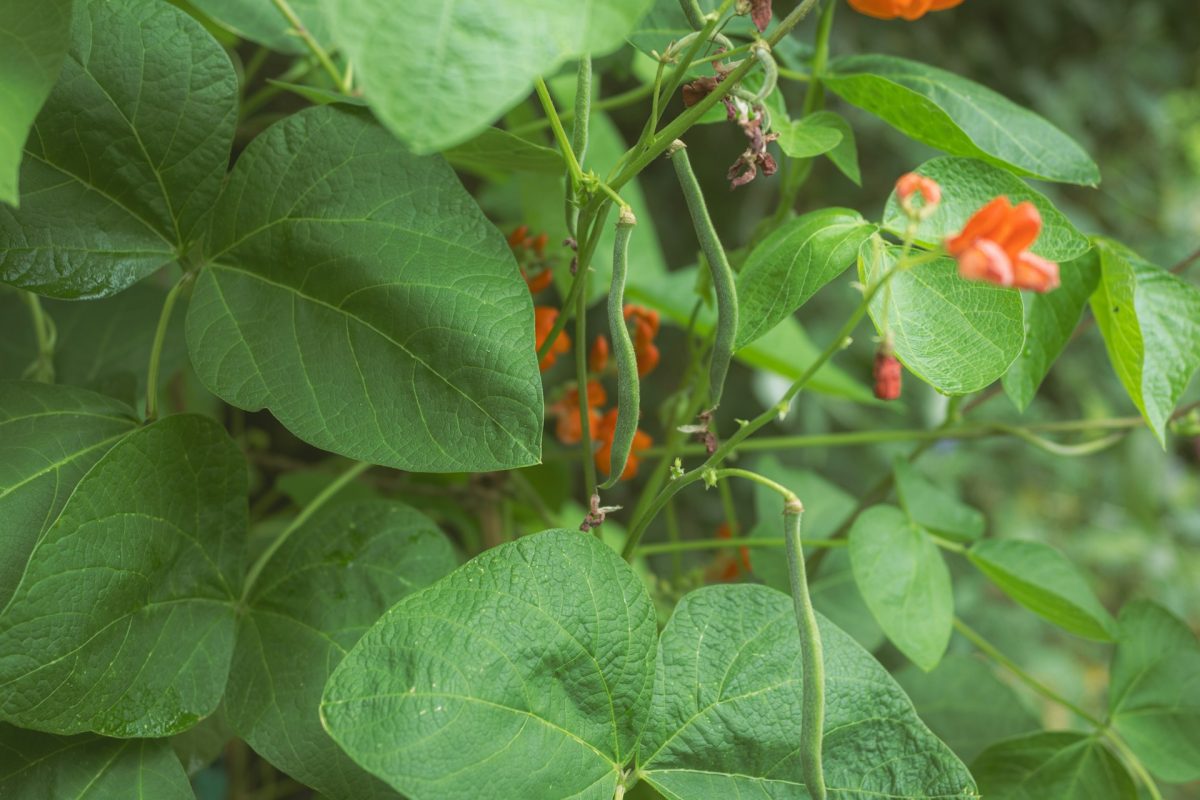
A garden can look like it is thriving on the surface while quietly struggling underneath the soil. Bright green leaves often trick even experienced growers into thinking everything runs perfectly below ground. In reality, plants can wear a “healthy” disguise while their roots weaken, stall, or even begin to fail. This disconnect creates one of the most overlooked problems in gardening because visible growth does not always reflect true plant strength. Mastering this hidden relationship between leaves and roots can completely change how plants get cared for and how long they actually survive.
Strong foliage often leads gardeners to relax their attention too early, especially when plants grow quickly after planting or repotting. Yet roots drive everything the plant does, from nutrient uptake to structural stability and long-term resilience. When roots struggle, plants eventually collapse no matter how good the leaves look today. This mismatch creates confusion, wasted effort, and sometimes irreversible plant decline.
The Green Illusion Above the Soil Line
Lush leaves often create a visual promise that everything functions correctly beneath the surface. Plants can produce vibrant foliage by using stored energy from earlier growth stages, which hides root decline for weeks. Gardeners often celebrate new leaf growth without checking the stability of the root zone. This mismatch creates what many growers call the “green illusion,” where appearance overrides reality. Real plant health depends on balance, not just visible success above ground.
In many cases, plants redirect energy toward leaf production when stress affects their roots. This response can make a struggling plant look surprisingly vigorous even as its foundation weakens. Over-fertilizing can also intensify this illusion by forcing leafy growth while roots lag behind. Gardeners often mistake this reaction for improvement when it actually signals imbalance. Careful observation of soil and root behavior always reveals the truth earlier than leaf inspection alone.
Why Roots and Leaves Don’t Always Communicate Well
Plants rely on internal signaling systems that sometimes fail under environmental pressure. Roots send chemical messages to regulate leaf growth, but stress can disrupt these signals quickly. When soil conditions change suddenly, leaves may continue growing based on outdated internal instructions. This lag creates a disconnect that hides root decline until it becomes severe. Healthy leaves can therefore mask a communication breakdown inside the plant.
Temperature swings, nutrient imbalances, and compacted soil all interfere with root signaling systems. These disruptions force plants to prioritize survival strategies that may not reflect actual root strength. In some cases, leaves expand rapidly while roots lose efficiency in water absorption. Gardeners often misinterpret this imbalance as successful growth. Careful soil evaluation always reveals more than leaf appearance alone.
Watering Habits That Fool the Eye
Overwatering often creates the most convincing illusion of plant health. Leaves stay green and full while roots slowly suffocate from lack of oxygen in saturated soil. This condition produces a temporary appearance of vitality that masks serious underground damage. Gardeners may continue the same watering routine because the plant still looks “fine.” By the time leaves show stress, root systems already suffer significant damage.
Underwatering can create a different kind of deception. Plants sometimes maintain green leaves by pulling stored moisture from internal tissues while roots dry out. This survival response keeps foliage alive longer than expected. However, the root system weakens quietly until it can no longer support the plant. Observing soil moisture directly always gives a more accurate picture than leaf color alone.
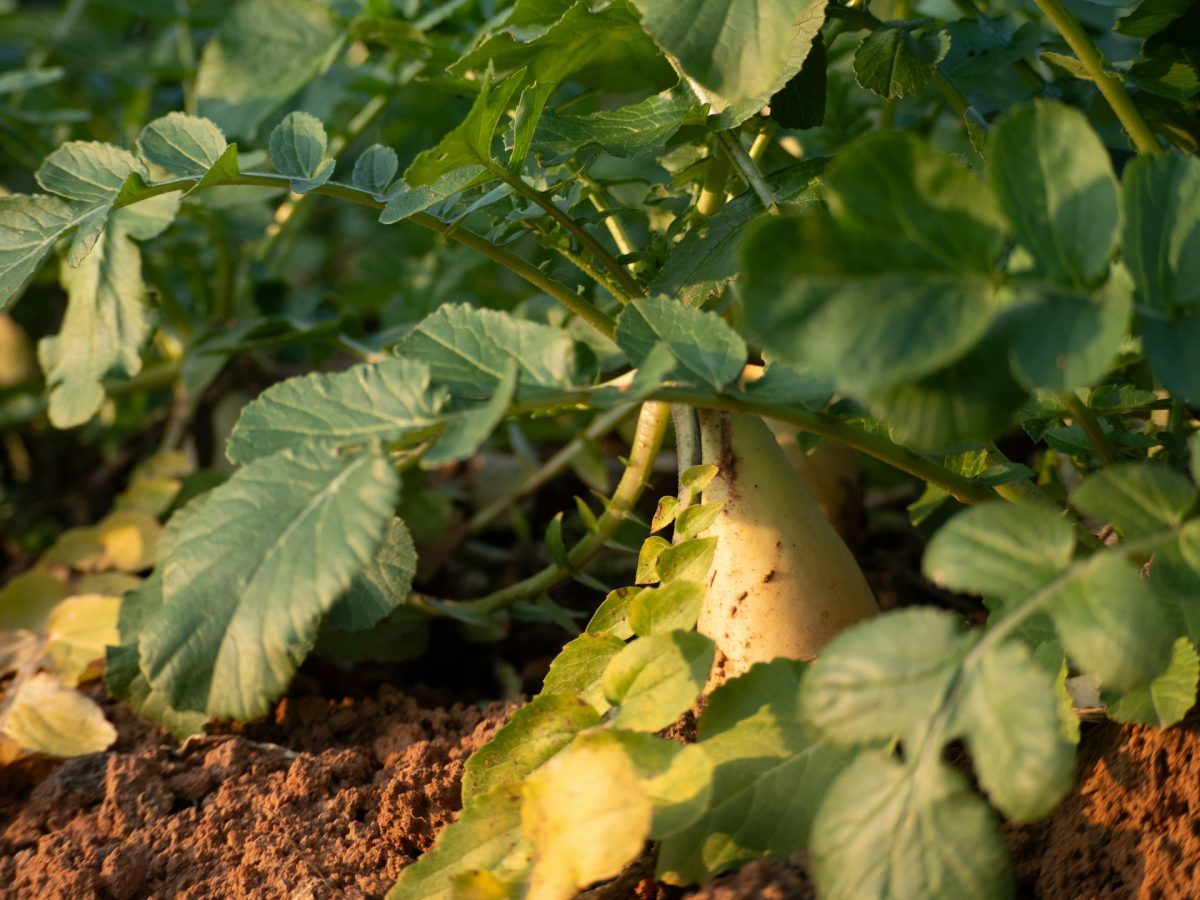
Soil Structure: The Hidden Decider
Soil quality plays a massive role in root health, yet leaves rarely reveal soil problems early. Compacted soil restricts oxygen flow, which slows root expansion and nutrient absorption. Even when leaves appear healthy, roots can struggle to grow in tight, dense environments. Plants often survive temporarily by relying on stored nutrients instead of active uptake. This delay makes soil issues especially dangerous because symptoms appear late.
Well-aerated soil encourages strong root branching and long-term stability. Organic matter improves drainage while still holding enough moisture for steady growth. Poor soil structure forces plants into survival mode, which can distort leaf development patterns. Gardeners who ignore soil composition often misread plant health signals. Strong roots always begin with a supportive underground environment.
Container Plants and Their Secret Stress Signals
Potted plants often hide root problems more easily than garden plants in open soil. Limited space forces roots to circle, tangle, or become root-bound without obvious surface warning signs. Leaves may continue to grow normally even when roots run out of room. This creates a dangerous delay between problem development and visible symptoms. Many container plants decline suddenly after weeks of silent stress.
Drainage issues in pots also create hidden root stress. Excess water can accumulate at the bottom, starving roots of oxygen while leaves remain green. Small containers amplify this problem because soil dries and saturates unevenly. Gardeners often interpret stable leaf color as healthy growth, even when roots struggle in confined conditions. Regular root inspection during repotting prevents these hidden failures.
What Strong Roots Actually Look Like Beneath the Surface
Healthy root systems create steady, consistent plant growth rather than flashy bursts of foliage. Strong roots appear white or light tan, spread evenly through soil, and feel firm instead of mushy. These roots actively support balanced leaf growth without sudden spikes or drops in appearance. Plants with strong roots recover quickly from environmental changes. Stability always signals success more than rapid visual growth.
When gardens start to look “too perfect” above the soil line, curiosity often saves the plant. Root systems tell the real story long before leaves reveal the truth. Paying attention below the surface transforms gardening from guesswork into informed care. Plants thrive when gardeners balance visual beauty with hidden structure. Strong roots always build the foundation for everything that grows above them.
What signs have been most misleading in your plant care experiences—lush leaves or hidden root issues? Let’s hear your thoughts below in our comments.
You May Also Like…
Why Tomatoes Grow Leaves but Delay Fruit Production
Why You Should Stop Raking Your Leaves (And Save $100 on Fertilizer)
Tips for Growing Strong Roots in Tight, Compacted Soil
Why Late Fall Watering Saves Roots From Damage
Leaf Mold Gold: Turning Yard Waste into Next Year’s Best Soil

Brandon Marcus is a staff writer for FrugalGardening.com at District Media, Inc., where he delivers practical gardening advice with a relatable, no-nonsense style. An avid amateur gardener, he holds a BA degree and with over ten years of professional writing experience, he is also an award-winning published author whose first book, Questions For Deep Thinkers, was released by Adams Media. His work has appeared in major publications including Fandom.com, CHUD.com, TheColdWire.com, and Fansided.com.
Leave a Reply