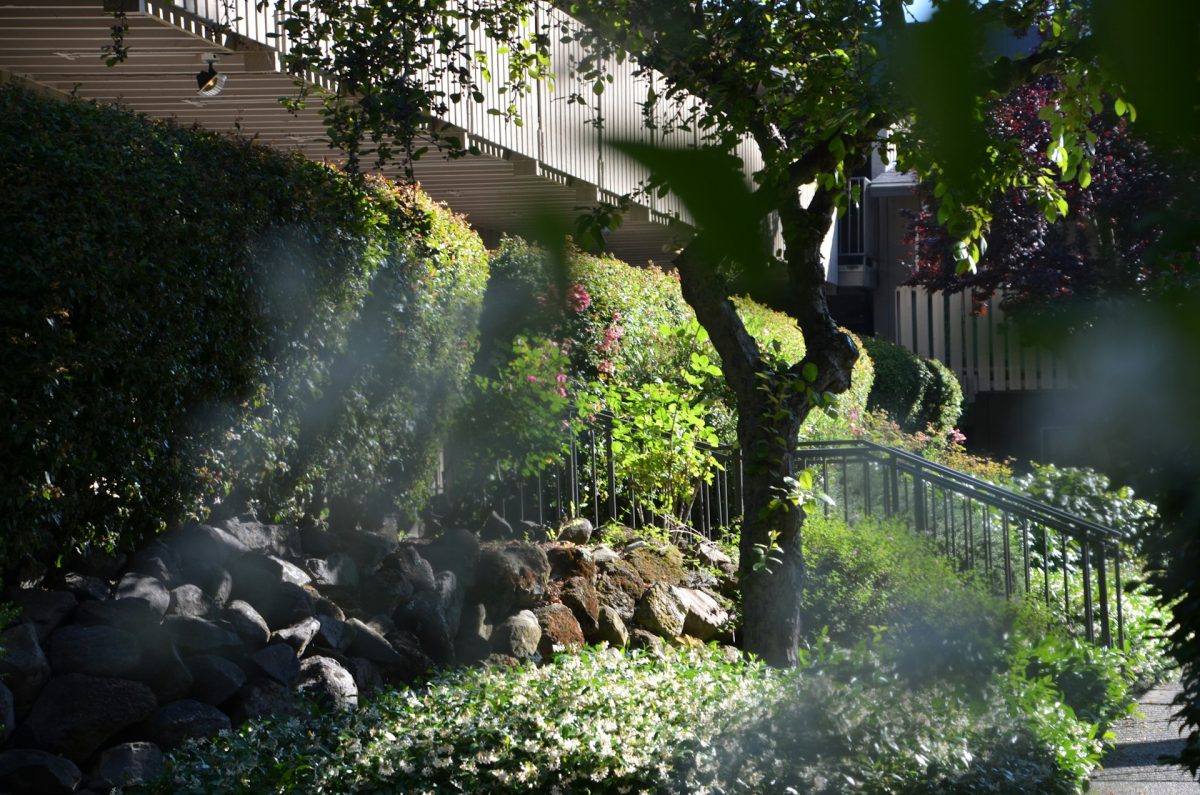
Gardens do not need full sun to put on a spectacular show when temperatures climb. In fact, some of the most dependable and visually striking plants actually prefer filtered light and still perform beautifully when summer heat settles in. Shade gardens often surprise people with their resilience, especially when the right plants fill the space with color, texture, and movement.
These options prove that shaded corners can become some of the most inviting parts of any yard. Even during warm stretches, these plants keep their composure and keep the garden looking intentional rather than stressed. The key lies in choosing varieties that naturally evolved to thrive under canopy cover or dappled light.
1. Hostas Bring Bold Leaves That Thrive in Cooling Shade
Hostas stand as one of the most reliable shade garden stars, and they handle warmer days better than most expect. Their broad leaves come in shades of green, blue, and gold, creating instant structure in low-light areas. These plants prefer consistent moisture, which helps them maintain their lush appearance even when temperatures rise. Gardeners often use them to frame pathways or soften the edges of shady beds.
Once established, hostas tolerate heat surprisingly well as long as soil stays cool and hydrated. Their leaves may even grow larger during warm seasons when conditions remain steady. Slugs sometimes target them, but healthy plants usually bounce back quickly with minimal damage.
2. Astilbe Delivers Feathery Blooms Without Complaining About Heat
Astilbe brings a soft, elegant texture to shade gardens with its plume-like flowers that rise above fern-like foliage. These blooms appear in shades of pink, white, and red, adding brightness to dim corners. The plant thrives in partial shade and appreciates consistent moisture to keep its roots cool.
Warm days do not stop astilbe from putting on a strong floral display when planted in the right location. Mulch helps stabilize soil temperatures and keeps the plant comfortable during heat spikes. Its blooms often last longer in shaded environments than in direct sun, making it a dependable seasonal performer.
3. Heuchera Adds Colorful Leaves That Stay Tough in Heat
Heuchera, often called coral bells, brings vibrant foliage that ranges from deep purple to caramel, lime, and silver tones. The leaves remain attractive throughout the growing season, even when temperatures rise. This plant fits perfectly into shaded beds where gardeners want color without relying solely on flowers.
Heat tolerance improves when heuchera grows in well-draining soil with afternoon shade protection. The plant resists wilting better than many shade species, especially when watered consistently. Its compact growth habit makes it ideal for borders, containers, and layered garden designs.
4. Ferns Create Cooling Green Texture That Loves Humidity
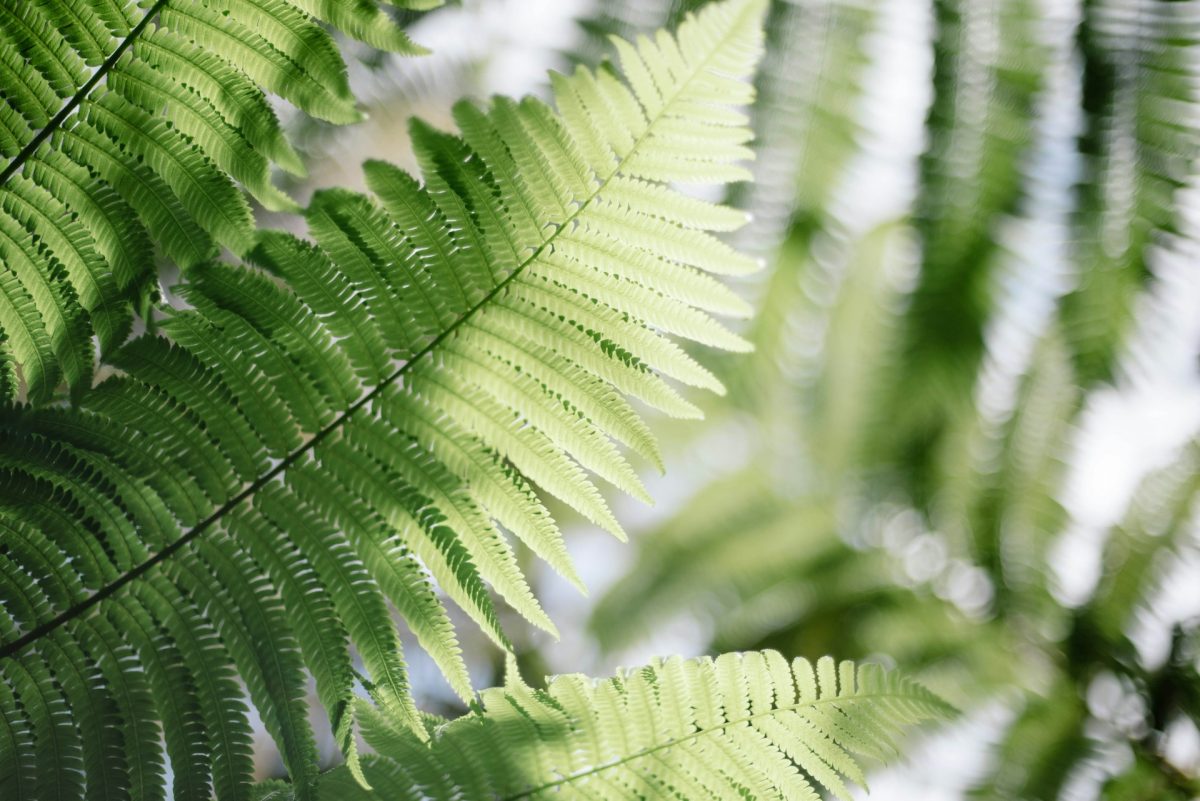
Ferns deliver a classic woodland look that instantly softens shaded spaces with layered greenery. Their fronds unfurl gracefully, creating movement and depth in garden beds. Many varieties thrive in humidity, which often pairs naturally with warm summer conditions.
Japanese painted fern and ostrich fern stand out for their ability to handle heat when soil stays moist. These plants do not like drying out, so mulch and regular watering help maintain their lush appearance. Their ability to stay vibrant in shade makes them a foundation plant for calming garden designs.
5. Impatiens Keep Blooming Even When Shade Feels Stifling
Impatiens bring nonstop color to shady spots where other flowers struggle to perform. Their blooms appear in bright pinks, reds, whites, and oranges, creating a cheerful contrast against green foliage. These plants thrive in containers, hanging baskets, and shaded garden beds.
Modern hybrid varieties handle warmer days much better than older strains. Consistent watering helps them maintain steady blooming during heat waves. Their ability to flower continuously makes them a favorite for gardeners who want instant color in low-light areas.
6. Begonias Offer Reliable Color That Shrugs Off Heat Stress
Begonias combine ornamental foliage with bold flowers, making them a versatile shade garden option. Their waxy leaves help reduce water loss, which improves their performance during hot spells. Many varieties adapt well to both garden beds and containers.
Wax begonias, in particular, show strong tolerance to warm shade conditions. They continue flowering when other shade plants slow down, especially with regular watering. Their compact growth makes them easy to tuck into tight spaces or mix with taller foliage plants.
7. Coleus Steals the Show With Colorful Leaves That Love Warm Shade
Coleus brings some of the most dramatic foliage in the shade garden world, with patterns that range from neon pink to deep burgundy. These plants thrive in warm conditions as long as they avoid harsh direct sun. Their leaves respond to shade by developing richer coloration and stronger patterns.
Heat does not slow coleus down when soil stays evenly moist and well-drained. Pinching back stems encourages bushier growth and even more color density. Gardeners often treat coleus as a seasonal centerpiece because of its nonstop visual impact.
Shade Gardens That Stay Cool Under Pressure
Shade gardens do far more than fill empty corners, especially when planted with heat-tolerant varieties that know how to handle summer conditions. These plants prove that low-light areas can still burst with color, texture, and seasonal interest. Careful watering, mulching, and placement make all the difference when temperatures rise. Each of these options brings its own personality, from bold leaves to nonstop blooms. Together, they turn shaded spaces into some of the most visually rewarding parts of the garden. With the right mix, shade no longer feels like a limitation but instead becomes an advantage.
What shade plant has surprised you the most with its ability to handle summer heat? Give us your opinions in our comments.
You May Also Like…
Beat the Summer Heat: The Budget Way to Shade Your Plants for Free
Inexpensive Ways to Shade Plants During Hot Weather
12 Plants That Love Shade and Flourish Where Sun Won’t
The Early Heat Trap: Why Sudden Warm Weather Is Stalling Growth
Why Your Compost Isn’t Heating Up and How to Fix It Fast

Brandon Marcus is a staff writer for FrugalGardening.com at District Media, Inc., where he delivers practical gardening advice with a relatable, no-nonsense style. An avid amateur gardener, he holds a BA degree and with over ten years of professional writing experience, he is also an award-winning published author whose first book, Questions For Deep Thinkers, was released by Adams Media. His work has appeared in major publications including Fandom.com, CHUD.com, TheColdWire.com, and Fansided.com.
Leave a Reply