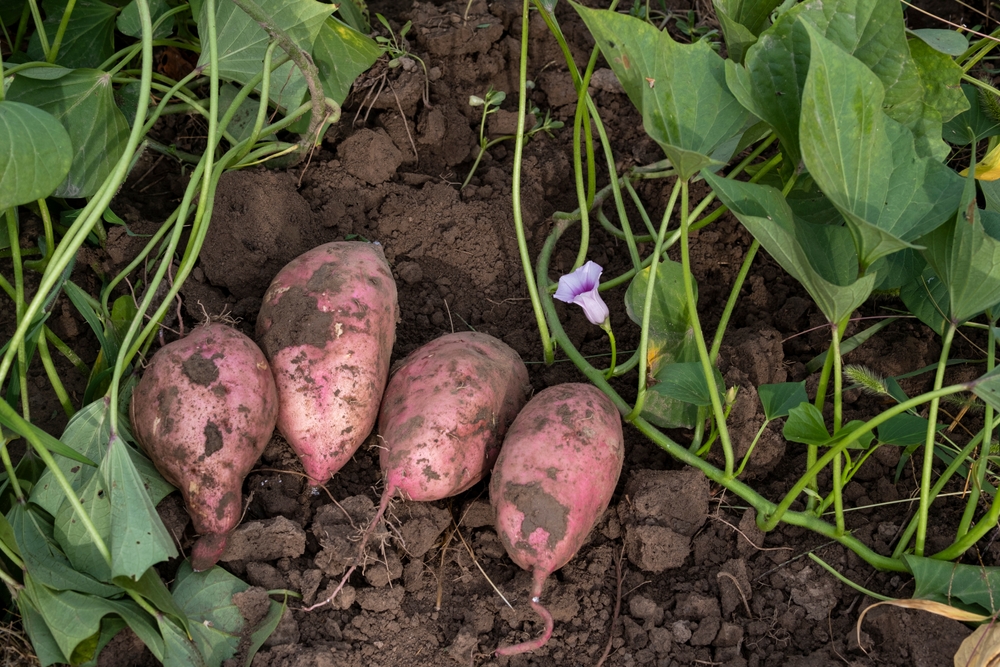
We’ve all found one: a forgotten potato at the back of the pantry with several determined-looking sprouts growing from its eyes. Throwing it away feels wasteful, especially when those sprouts make it look ready to become an entire crop of free potatoes. Technically, planting grocery store potatoes can produce plants because the potato itself is a tuber capable of generating new growth, but gardening experts consistently recommend a different approach. North Carolina State says supermarket potatoes may be treated with sprout inhibitors and recommends certified disease-free seed potatoes instead. The real catch isn’t whether a grocery potato can grow—it’s whether saving a few dollars is worth introducing an unknown disease into your garden.
A Potato Is Basically Its Own Planting Material
Unlike tomatoes or peppers, gardeners usually don’t start potatoes from the botanical seeds produced by their flowers. Instead, potatoes are typically grown from tubers called seed potatoes, which are essentially potatoes specifically produced for planting. University of Minnesota explains that gardeners can start plants from whole tubers or pieces of tubers containing the buds we commonly call “eyes.” That explains why the potato sprouting on your kitchen counter looks perfectly capable of becoming a plant—it probably is. The important difference between planting grocery store potatoes and certified seed potatoes is what may have happened to that tuber before it reached you.
Some Grocery Potatoes Are Treated to Resist Sprouting
A supermarket wants its potatoes sitting quietly on the produce shelf, not growing leaves before customers take them home. Iowa State University notes that potatoes sold for table use may have been treated to prevent sprouting, which can make them unreliable planting material. Not every grocery potato will refuse to grow—you’ve probably personally witnessed enough pantry potatoes sprouting to know that—but you generally don’t know how a particular bag was handled. An already vigorously sprouting potato has obviously overcome dormancy, yet that still doesn’t resolve the other concerns surrounding its use as seed. If you’re trying to maximize the return from limited garden space, unpredictable planting material can turn a cheap experiment into an expensive use of a raised bed.
Disease Is the Bigger Reason Experts Say No
The most compelling argument against planting grocery store potatoes has little to do with whether they’ll sprout. Potatoes are vulnerable to numerous diseases, and infected tubers can introduce pathogens into the place where you intend to grow future crops. University of Minnesota warns that diseases carried by potatoes can remain in garden soil for a long time and potentially cause problems for potatoes as well as related crops including tomatoes, peppers, and eggplants. Certified seed potatoes, by comparison, are produced and inspected with disease risk in mind, which is why recommendations repeatedly favor them over supermarket potatoes. You may save a few dollars on the initial tubers only to discover that “free seed” wasn’t particularly frugal if it creates a persistent garden problem.
Certified Doesn’t Mean the Potato Is Magically Disease-Proof
It’s worth understanding what you’re paying for when you buy certified seed potatoes. Certification doesn’t promise that every potato will be perfect forever, but it substantially reduces the uncertainty surrounding the material you’re putting into your soil. Washington State University says certified potato seed is tested and verified to be relatively disease-free and isn’t treated with the sprout inhibitors that can affect market potatoes. The same guidance warns that viruses carried by market potatoes can reduce both crop quality and yield. For a gardener who plans to grow potatoes year after year, spending a little more on known planting stock is essentially inexpensive risk management.
If You Experiment, Consider Using a Container
Maybe you’ve already got a spectacularly sprouted organic potato sitting on the counter and curiosity is going to win regardless of the recommendation. In that case, experimenting in a large container rather than an established vegetable bed can at least keep the project physically separated from some of your regular garden soil, although it doesn’t make questionable tubers disease-free. Containers or grow bags can genuinely support potatoes; North Carolina State says containers can be suitable when they’re at least 2 feet deep and hold at least 30 gallons. Don’t reuse potentially contaminated potting mix elsewhere if the plants develop suspicious symptoms, and clean tools before using them on other members of the nightshade family. Treat planting grocery store potatoes as an experiment rather than your dependable strategy for producing a year’s supply.
Seed Potatoes Need Eyes Before They Go Into the Ground
Whether you’re experimenting or using certified seed potatoes, the planting material needs viable growing points. Iowa State recommends cutting larger seed potatoes into sections containing one or two eyes, while small potatoes can be planted whole. Allowing freshly cut surfaces to heal or callus before planting can help reduce decay, particularly when conditions aren’t ideal. Potato spacing and planting depth vary somewhat among recommendations and growing regions, so check local guidance rather than assuming one nationwide calendar works everywhere. Most importantly, don’t mistake a badly shriveled, rotten pantry potato for premium planting stock simply because it happens to have a sprout attached.
Keep Developing Potatoes Covered From the Light
Getting the potato to sprout is only the beginning of the project. As potato plants grow, gardeners “hill” soil or mulch around their stems so developing tubers remain covered, with North Carolina State recommending hilling when plants reach about a foot tall and repeating the process during the season. Exposure to light causes potato tubers to turn green and increases glycoalkaloids, compounds that can make potatoes unsafe to eat at high enough levels. It is recommended to discard sprouts and green portions of potatoes rather than eating those areas. Whether you’re planting grocery store potatoes or certified seed, keeping the developing crop adequately covered is one gardening shortcut you shouldn’t take.
The Cheap Potato Isn’t Always the Frugal Potato
Planting a $1 potato instead of buying seed potatoes sounds exactly like the kind of experiment frugal gardeners should love, and watching an old pantry potato turn into a plant is undeniably fun. But certified seed potatoes aren’t merely overpriced grocery potatoes with a gardening label slapped on them; you’re paying for planting stock selected and handled to reduce disease risks and produce dependable growth. North Carolina State notes that certified seed potatoes usually perform better than grocery potatoes and reports that roughly 12 pounds of seed potatoes can plant a 100-foot row capable of yielding more than 200 pounds under suitable conditions. For a serious vegetable bed, certified seed is the safer investment, while planting grocery store potatoes makes more sense as a small, isolated experiment when you’re willing to accept the risks.
Have you ever planted a sprouted potato from your pantry, and did you actually get a crop from it?
What to Read Next
We Planted an Old Sweet Potato Instead of Throwing It Away — Here’s What Grew
Leave a Reply