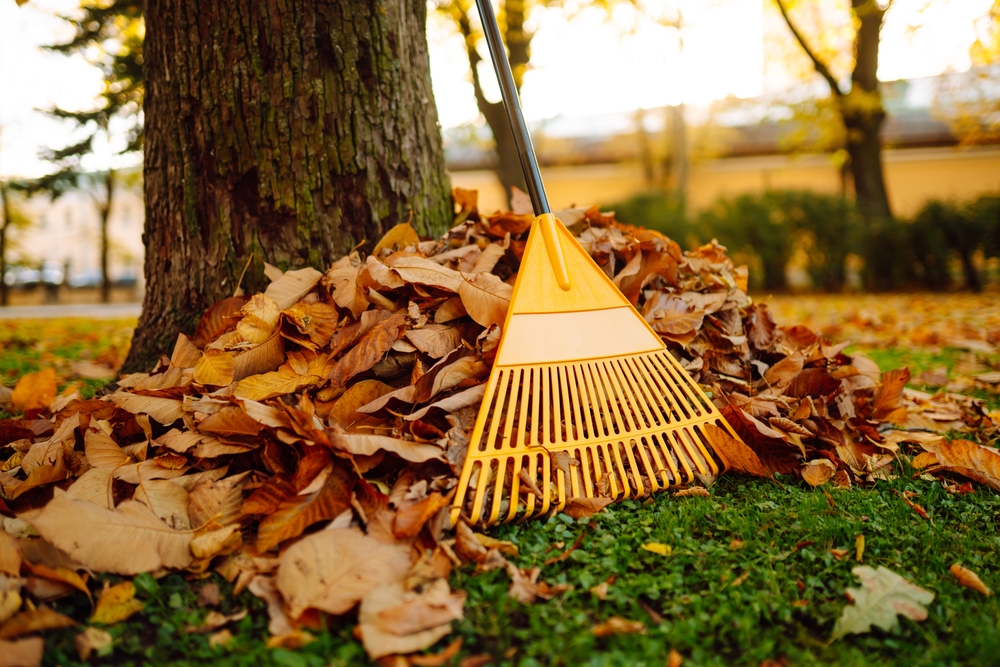
Every autumn, homeowners rake up something surprisingly valuable, stuff it into bags, and send it away—only to spend money on mulch, compost, and soil amendments a few months later. Fallen leaves contain organic matter and nutrients that can be recycled right where they land, and Penn State estimates that the leaves from one large shade tree can provide as much as $50 worth of plant food and humus. Instead of viewing that pile as yard waste, think of free uses for fall leaves as ways to stretch next year’s gardening budget. You don’t need a leaf shredder, expensive compost tumbler, or elaborate setup to put them to work. Before filling another lawn bag, consider these five ways your trees can essentially supply free garden materials.
1. Turn Leaves Into Free Mulch for Garden Beds
A layer of fallen leaves can do many of the same jobs as bags of mulch purchased at the garden center. A roughly 2-inch layer of shredded leaves in landscape beds can reduce weeds, help retain soil moisture, and break down into organic material by spring. You can shred leaves by running over them with a lawn mower, although gardeners interested in protecting overwintering insects may want to leave some leaves intact in less-managed areas instead.
Whole leaves can provide habitat for eggs, caterpillars, cocoons, and other small creatures through winter. Of all the free uses for fall leaves, replacing at least some purchased mulch may produce the most obvious savings next spring.
2. Feed Your Compost Pile With a Stockpile of Leaves
Fall leaves are considered a carbon-rich “brown” ingredient, making them extremely useful when building compost. Combining brown materials such as leaves with nitrogen-rich “green” ingredients including grass clippings, vegetable scraps, or manure. The problem is that gardeners often have mountains of brown material in October but plenty of green kitchen and garden scraps months later, so you don’t have to compost every leaf immediately. Penn State suggests stockpiling excess leaves separately and adding them to the compost pile as brown material is needed during spring and summer. That stash essentially becomes a free compost ingredient sitting in reserve rather than something you pay to dispose of in autumn.
3. Make Leaf Mold With Almost No Work
If maintaining the right balance of greens and browns sounds like more work than you want, let the leaves decompose largely by themselves. Leaf mold is the dark, crumbly material created as fallen leaves slowly break down, and it’s one of the easiest free uses for fall leaves because patience does most of the work. Penn State says gardeners can pile leaves in an out-of-the-way location or put them into something as simple as an old trash can or large plastic bag, adding some moisture and allowing airflow. Shredding, occasionally turning, and maintaining moisture can speed decomposition, but Penn State notes that the leaves will eventually become leaf mold even if you largely leave the pile alone. Use the finished material around garden plants or as an organic soil amendment instead of purchasing another bagged product.
4. Mulch Some Leaves Right Into the Lawn
You don’t necessarily have to rake every leaf before your final mowing sessions of the year. University of Minnesota recommends mowing dry leaves into smaller pieces, which allows them to break down and return nutrients and organic matter to the soil. The university also notes that decomposing leaves can improve soil structure, water infiltration, moisture retention, and root growth while helping cover bare spots where weeds might otherwise germinate. There is a limit, however: once the leaf layer becomes so heavy that less than about half of the lawn remains visible. It is recommended that you remove the excess and compost it elsewhere rather than continuing to mulch everything into the turf. That distinction matters because free uses for fall leaves should improve your yard, not bury the grass beneath a thick, matted blanket.
5. Give Perennials and Wildlife Some Winter Protection
Leaves can also provide free winter insulation in flower beds, particularly in climates where repeated freezing and thawing can push plants out of the soil. Whole or shredded leaves are among suitable protective mulches for perennials and bulbs. It is recommended to apply winter mulch after the soil begins freezing rather than too early in fall. Meanwhile, leaving some healthy leaf litter undisturbed provides something no bag of decorative bark can fully duplicate: winter habitat for beneficial insects and other wildlife. Penn State advises against piling excessive additional leaves into naturally wooded areas because the existing leaf layer already provides habitat at its natural depth. Instead, move excess leaves into appropriate garden beds or designated areas where they can protect soil and plants while slowly decomposing.
Not Every Leaf Belongs in Your Garden
Reusing leaves doesn’t mean blindly spreading every pile across your vegetable beds and prized perennials. Leaves and other plant material showing signs of disease deserve extra attention because keeping infected debris around susceptible plants can help some plant diseases persist. University of Minnesota recommends allowing healthy fallen leaves and plant debris to remain as winter habitat while removing material infected with gray mold or other fungal diseases. You should also avoid allowing a heavy layer of whole leaves to remain on turf all winter, where it can block light and trap moisture rather than benefiting the lawn. The smartest free uses for fall leaves involve putting healthy material where it provides a benefit instead of assuming that every leaf belongs everywhere.
Stop Paying to Throw Away Next Year’s Garden Material
A yard full of leaves can feel like another exhausting fall chore, but those piles are also mulch, compost ingredients, soil-building leaf mold, lawn nutrients, and winter protection waiting to be used. You don’t need to choose only one approach: mow a light layer into the lawn, move some into flower beds, stockpile a few bags for compost, and create a leaf-mold pile with whatever remains. Penn State’s estimate that a large shade tree’s leaves can represent as much as $50 worth of plant food and humus puts the annual ritual of bagging everything for removal into a different perspective. Experimenting with free uses for fall leaves can reduce waste while potentially cutting what you spend on mulch, compost, and soil amendments next season.
Do you reuse the leaves that fall in your yard, or have you always bagged them and sent them away?
What to Read Next
What Happens If You Never Rake the Leaves in Your Yard?
Powdery Mildew Is Everywhere This Fall — Can Those Leaves Go in Compost?
Fall Leaves Could Replace Something You’re Paying for at the Garden Center
Leave a Reply