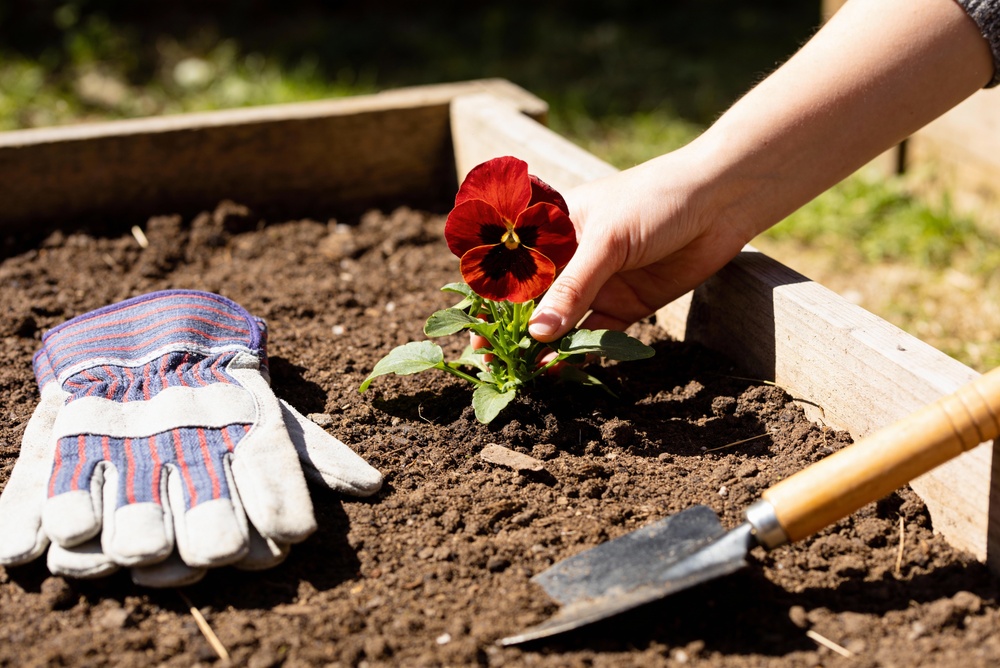
Spring doesn’t wait, and neither should a productive garden. Raised beds step in like a cheat code for gardeners eager to get seedlings thriving before the rest of the neighborhood even breaks ground. Soil warmth drives root activity, nutrient uptake, and overall plant energy, and raised beds deliver that warmth faster than traditional in-ground plots.
That early edge often turns into bigger harvests, healthier plants, and a longer growing season. The magic doesn’t come from luck—it comes from smart physics and clever design working together.
Raised Beds Heat Up Faster Because of Better Sun Exposure
Raised beds catch sunlight from more angles, and that exposure makes a noticeable difference in how quickly soil warms up. Traditional garden plots sit flush with the ground, so they rely mainly on top-down sunlight, while raised beds absorb heat from the sides as well. That extra surface area acts like a solar panel, soaking in warmth throughout the day and distributing it through the soil. Gardeners who position raised beds in full sun often see soil temperatures climb several degrees higher than nearby ground soil. Those few degrees matter because many crops, especially vegetables like tomatoes and peppers, refuse to grow in cold soil.
The structure of raised beds also encourages faster heat retention during cool nights. Wood, stone, or metal borders trap warmth and slow down overnight temperature drops, giving roots a more stable environment. Fluctuating temperatures stress plants and stunt early growth, so that consistency becomes a major advantage. A bed that warms quickly in the morning and holds heat into the evening creates ideal conditions for germination and root development. That steady warmth keeps plants energized instead of forcing them to recover from cold shock every morning.
Improved Drainage Keeps Soil Warmer and Healthier
Waterlogged soil stays cold, heavy, and sluggish, which creates a tough environment for young plants. Raised beds solve that problem by allowing excess water to drain quickly, preventing soil from becoming saturated. When soil drains efficiently, air pockets remain intact, and those pockets help soil warm up faster. Oxygen-rich soil fuels microbial activity, and those microbes play a key role in breaking down nutrients that plants need. Healthy soil biology and warmer temperatures work hand in hand to boost early growth.
Gardeners often notice that raised beds dry out faster after rain, which might seem like a drawback at first glance. However, that quicker drying cycle actually helps regulate soil temperature more effectively than dense, soggy ground. Soil that drains well heats up evenly instead of staying cold and compacted in certain spots. That uniform warmth allows roots to spread more easily and access nutrients without resistance. Strong root systems form early, setting the stage for vigorous growth throughout the season.
Looser Soil Structure Speeds Up Root Development
Raised beds typically contain a custom soil mix, and that mix often includes compost, topsoil, and organic matter designed for optimal texture. Loose, crumbly soil warms up faster than dense, compacted ground because it allows heat to move freely through the particles. Roots love that environment because they can push through the soil without struggling against hard clumps. Faster root expansion means plants establish themselves quickly and start focusing on above-ground growth sooner. Early establishment often leads to earlier flowering and fruit production.
Compacted soil in traditional gardens slows everything down, from water absorption to root movement to temperature changes. Raised beds eliminate that issue by starting fresh with a well-balanced soil blend. Gardeners who refresh their soil each season maintain that loose structure and keep performance high year after year. The difference shows up quickly in plant health, leaf color, and growth speed. Plants that grow in ideal soil conditions waste less energy on survival and devote more energy to thriving.

Elevated Design Reduces Frost Risk and Extends the Season
Cold air settles in low areas, and that natural behavior puts in-ground gardens at greater risk during chilly nights. Raised beds sit above that cold layer, which gives plants a slight but meaningful buffer against frost. Even a small elevation can protect delicate seedlings from temperature dips that would otherwise cause damage. Gardeners who combine raised beds with row covers or cloches can push planting dates even earlier. That head start often translates into weeks of additional growing time.
Season extension doesn’t just mean earlier planting—it also means longer harvests in the fall. Raised beds retain warmth later into the year, which helps plants keep producing as temperatures drop. Crops like lettuce, spinach, and carrots benefit significantly from that extended window. Instead of rushing to harvest before the first frost, gardeners can enjoy a more relaxed and productive season. That flexibility makes raised beds a favorite choice for anyone serious about maximizing yield.
Strategic Soil Management Amplifies the Warming Effect
Smart gardeners don’t just rely on raised beds—they optimize them. Dark mulch, such as compost or shredded bark, absorbs sunlight and increases soil temperature even more. Black plastic or landscape fabric can warm soil dramatically in early spring, especially for heat-loving crops. Adding compost regularly improves soil structure and enhances its ability to retain heat while staying well-drained. These small adjustments compound the natural advantages of raised beds.
Orientation also plays a role in how efficiently a bed warms up. Beds that run north to south receive more consistent sunlight throughout the day, which promotes even heating. Gardeners who place beds near reflective surfaces, like fences or walls, can boost warmth even further. Those surfaces bounce sunlight back onto the soil, creating a microclimate that favors early growth. Every detail matters when the goal involves squeezing maximum productivity out of every square foot.
Faster Growth and Bigger Harvests
Warm soil jumpstarts everything from seed germination to nutrient absorption, and raised beds deliver that warmth right when plants need it most. Faster germination leads to stronger seedlings, and stronger seedlings grow into more productive plants. Gardeners often report harvests arriving one to three weeks earlier compared to traditional gardens. That early yield can make a big difference, especially for crops with long growing seasons. More time in ideal conditions almost always results in better flavor, size, and overall quality.
Raised beds also reduce common gardening frustrations, which keeps plants healthier and more consistent. Better drainage, improved soil quality, and reduced compaction all contribute to fewer issues with disease and root stress. When plants avoid setbacks early in life, they maintain steady growth and produce more reliably. The combination of warmth, structure, and control creates an environment where plants can truly excel. That reliability turns gardening from a gamble into a repeatable success.
Jumpstart Your Garden
Raised beds don’t just look tidy—they create a powerful advantage that transforms how quickly and successfully a garden grows. Faster warming soil, improved drainage, and better structure all work together to give plants a head start that traditional gardens struggle to match. Gardeners who invest in raised beds often see immediate improvements in growth speed, plant health, and overall yield. The system rewards attention to detail while remaining accessible to beginners and seasoned growers alike. A well-built raised bed doesn’t just support plants—it accelerates their entire life cycle.
What’s stopping a garden upgrade that could shave weeks off your growing season and boost harvests at the same time?
You May Also Like…
Stop Buying Raised Beds: 4 Cheap Building Alternatives That Last Longer
8 DIY Raised Garden Bed Ideas That Don’t Require Expensive Lumber
Termite Prevention Tips for Raised Beds
Low-Cost Ways to Build Raised Beds in 2026
Gardeners Warned: This Common Winter Cleanup Habit Is Spreading Fungal Disease in Raised Beds

Brandon Marcus is a staff writer for FrugalGardening.com at District Media, Inc., where he delivers practical gardening advice with a relatable, no-nonsense style. An avid amateur gardener, he holds a BA degree and with over ten years of professional writing experience, he is also an award-winning published author whose first book, Questions For Deep Thinkers, was released by Adams Media. His work has appeared in major publications including Fandom.com, CHUD.com, TheColdWire.com, and Fansided.com.
Leave a Reply