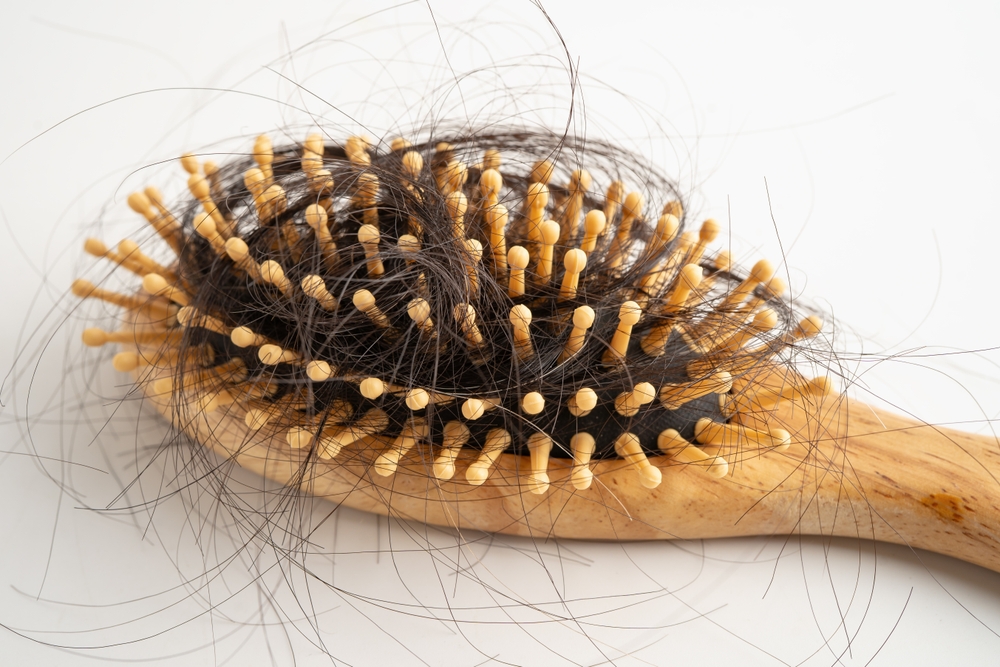
That humble hairbrush sitting on a bathroom counter hides an unexpected superpower, and gardeners who discover it rarely look at shed hair the same way again. While most people toss those strands straight into the trash, they’re actually holding onto a slow-release nutrient source that plants crave. Nitrogen drives leafy growth, vibrant color, and overall plant health, yet many gardeners spend money chasing fertilizers that don’t always deliver long-term results.
Human hair offers a natural, budget-friendly alternative that fits perfectly into sustainable gardening practices. Better yet, it transforms something often considered waste into a valuable resource that improves soil over time.
The Surprising Science Behind Hair and Soil Nitrogen
Human hair contains about 16 percent nitrogen by weight, which makes it a surprisingly rich organic material for feeding plants. Keratin, the tough protein in hair, breaks down slowly in soil and releases nitrogen gradually rather than all at once. That slow release matters because plants benefit from steady nutrient access instead of quick spikes followed by depletion.
Soil microbes play a key role here, breaking down the hair and converting it into usable forms of nitrogen for roots. Gardeners who add hair to their soil essentially create a long-term feeding system that keeps working beneath the surface.
Why Traditional Fertilizers Don’t Always Cut It
Many store-bought fertilizers deliver nitrogen quickly, but they often wash away before plants can fully absorb the nutrients. This runoff can harm nearby waterways and force gardeners to reapply products more frequently, which adds to the cost. Fast-release fertilizers can also overwhelm plants, causing excessive leaf growth while weakening root systems. Natural options like compost improve soil structure, but they may not always provide enough nitrogen for heavy feeders like tomatoes or leafy greens. Adding hair into the mix fills that gap by delivering a consistent and reliable nitrogen source without the downsides of synthetic products.
How to Use Hair from Your Hairbrush Effectively
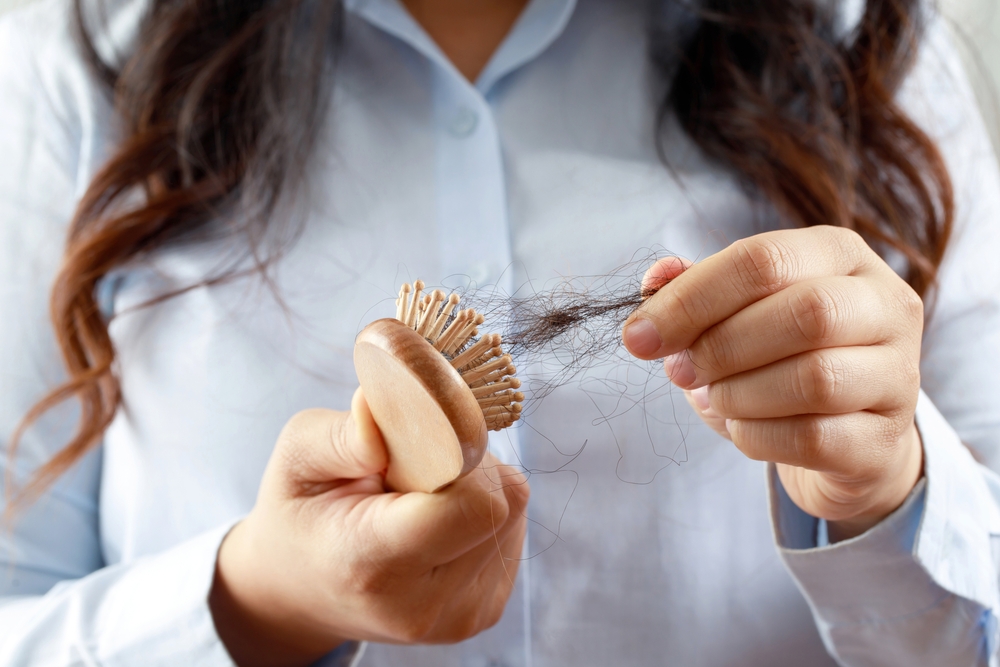
Start by collecting clean hair from brushes, combs, or even salon clippings if available. Scatter small amounts directly into garden beds or mix them into compost piles to accelerate nutrient diversity. For potted plants, blend hair into the soil before planting to ensure even distribution.
Avoid clumping large amounts together, since tightly packed hair can repel water and slow decomposition. Consistent, moderate use works best, allowing the soil ecosystem to break down the hair naturally and convert it into accessible soil nitrogen.
Real-World Benefits Gardeners Actually Notice
Gardeners who incorporate hair into their soil often report stronger plant growth and richer green foliage within a single growing season. Leafy vegetables like spinach and lettuce respond particularly well because they depend heavily on nitrogen to thrive. Flowering plants also benefit, producing fuller blooms when nitrogen levels remain stable.
Over time, soil structure improves as organic matter builds up and supports beneficial microbes. These changes don’t just boost plant health—they also reduce reliance on expensive fertilizers, making gardening more affordable and sustainable.
Common Concerns and Misconceptions
Some people worry about hygiene, but clean human hair poses no risk when used in garden soil. Others assume hair will attract pests, yet it generally does not appeal to common garden invaders. A more valid concern involves chemically treated hair, such as strands exposed to heavy dyes or harsh products, which should be used sparingly or avoided. Another misconception suggests hair works instantly, but patience plays a key role since decomposition takes time. Understanding these factors helps gardeners use this method effectively without unrealistic expectations.
Turning Everyday Waste Into Garden Gold
Using hair from a brush offers a simple, cost-free way to improve soil nitrogen without complicated techniques or expensive products. It fits seamlessly into eco-friendly habits and supports a circular approach to everyday waste. Small changes like this add up quickly, especially for gardeners looking to cut costs while boosting results. Instead of throwing hair away, redirecting it into soil creates long-term benefits that keep gardens thriving season after season. Smart gardening often comes down to using what already exists, and this approach proves just how powerful that mindset can be.
Curious to try this unusual gardening hack, or already using it in your routine? Share thoughts, experiences, or questions in the comments—there’s always more to learn from fellow gardeners.
You May Also Like…
8 Tips For Designing Your Garden For Efficiency
Tips for Transplanting Without Causing Shock
5 Tricks to Extend Tomato Harvest Into October
5 Ways to Reduce Weed Growth Without Chemicals
14 Winter Soil Preparation Tips That Boost Spring Growth

Brandon Marcus is a staff writer for FrugalGardening.com at District Media, Inc., where he delivers practical gardening advice with a relatable, no-nonsense style. An avid amateur gardener, he holds a BA degree and with over ten years of professional writing experience, he is also an award-winning published author whose first book, Questions For Deep Thinkers, was released by Adams Media. His work has appeared in major publications including Fandom.com, CHUD.com, TheColdWire.com, and Fansided.com.
Leave a Reply