A thriving garden doesn’t have to demand endless hours of digging, watering, and weeding. In fact, the smartest gardeners often do less—and get more. The “lazy gardening” approach focuses on working with nature instead of constantly battling it, which means lower costs, healthier plants, and far less stress.
By choosing efficient techniques and letting natural systems do the heavy lifting, even beginners can grow impressive results without burning out. This method isn’t about neglect; it’s about strategy, simplicity, and saving money in the long run.
Build Soil Once—Then Let It Work for You
Healthy soil acts as the foundation of any successful lazy gardening strategy, and it pays off quickly when done right. Instead of reworking soil every season, focus on enriching it deeply at the start with compost, organic matter, and mulch.
Rich soil retains moisture better, which cuts down on watering costs and effort over time. It also supports beneficial microbes that naturally feed plants, reducing the need for fertilizers. Once this ecosystem gets established, the soil continues improving itself with minimal intervention.
Mulching Has Real Meaning
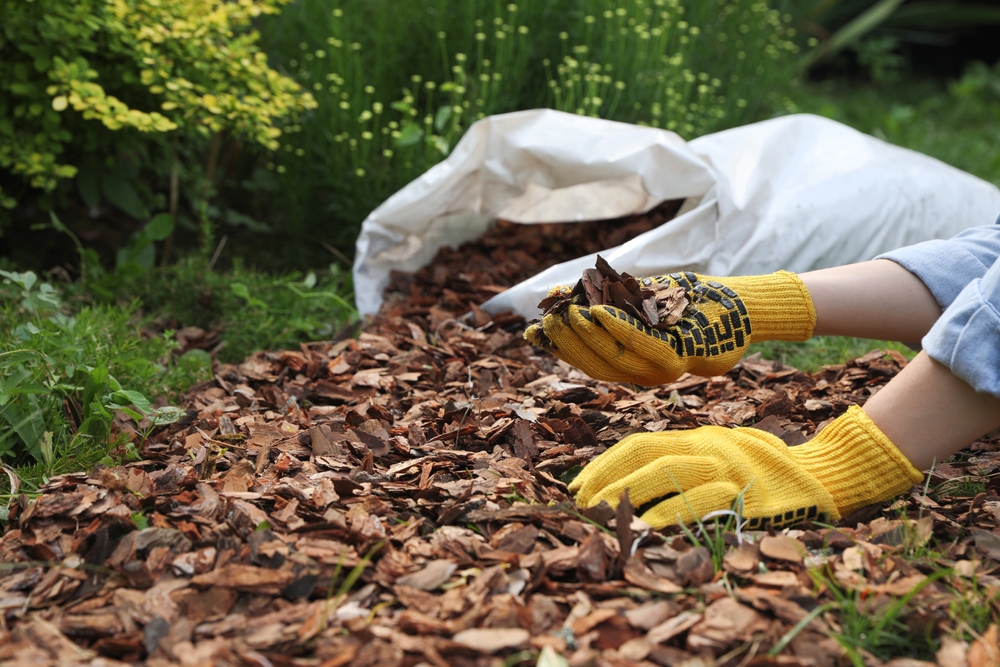
Mulch transforms a high-maintenance garden into a low-effort powerhouse almost overnight. A thick layer of mulch blocks weeds from growing, which means less time pulling them and fewer herbicides to buy. It also locks in moisture, so plants stay hydrated longer without constant watering.
Organic mulch, like wood chips or straw, slowly breaks down and feeds the soil, adding another layer of savings. This single step delivers one of the biggest returns in any lazy gardening setup.
Choose Plants That Practically Take Care of Themselves
Plant selection makes or breaks a low-maintenance garden, especially when the goal centers on doing less work. Native plants and drought-tolerant varieties thrive in local conditions without needing extra watering or fertilizers. Perennials come back year after year, eliminating the need to replant each season. Hardy vegetables like zucchini, tomatoes, and herbs often produce abundantly with minimal fuss. Smart choices here reduce both effort and ongoing expenses dramatically.
Skip the Rows—Go for Dense Planting
Traditional garden rows look neat, but they often create more work than necessary. Dense planting—where plants grow closer together—shades the soil and prevents weeds from taking over. This method also maximizes space, allowing more food or flowers to grow in a smaller area. Less exposed soil means less evaporation, which cuts watering needs significantly. With fewer weeds and better moisture retention, the garden essentially manages itself.
Water Smarter, Not Harder
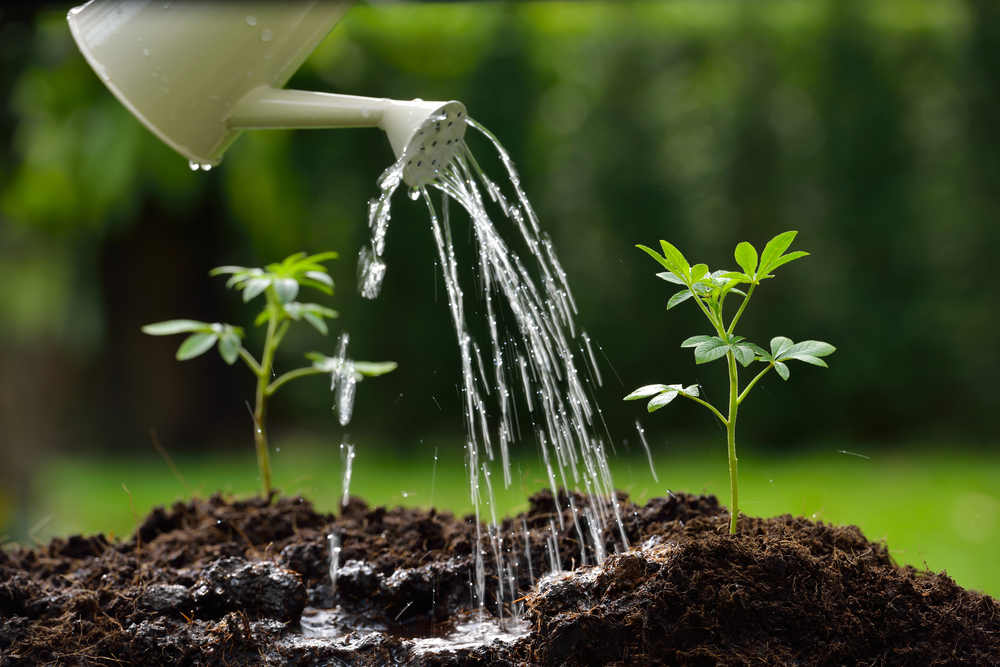
Dragging a hose around every day quickly turns gardening into a chore. Lazy gardening relies on efficient watering systems like drip irrigation or soaker hoses that deliver water directly to plant roots. These systems reduce water waste and lower utility bills over time. Watering deeply but less frequently encourages stronger root systems that can withstand dry spells. Once set up, the system runs with minimal oversight, freeing up time and energy.
Compost Without the Complication
Composting doesn’t need complicated bins or strict rules to work effectively. A simple pile of kitchen scraps, yard waste, and leaves can break down into nutrient-rich compost with very little maintenance. This approach reduces the need to buy fertilizers while recycling waste into something useful. Over time, compost improves soil structure and plant health naturally. It’s a low-effort, high-impact habit that perfectly fits the lazy gardening mindset.
Let Nature Handle Pest Control
Chemical pest control costs money and often disrupts the garden’s natural balance. A lazy gardening approach encourages beneficial insects like ladybugs and pollinators to take over pest management. Planting flowers such as marigolds or lavender attracts these helpful allies. Healthy soil and strong plants also resist pests better, reducing the need for intervention. This natural system keeps the garden thriving without constant monitoring or expense.
Why Doing Less Actually Gets Better Results
Lazy gardening flips the script on traditional advice by focusing on efficiency instead of effort. Each strategy—whether it involves mulching, smart plant choices, or better watering—reduces both workload and long-term costs. Gardens built this way often outperform high-maintenance setups because they align with natural processes rather than fighting them. The result includes stronger plants, healthier soil, and more consistent yields with less input. For anyone looking to save money while enjoying gardening, lazy gardening proves that less effort often delivers more success.
Which lazy gardening trick would make the biggest difference in your yard this season? If you have some helpful insight, we want you to share it in the comments section below.
You May Also Like…
5 Budget Ways to Mark Garden Rows Clearly
The Lazy Gardener’s Trick for Keeping Raised Beds Fertile All Winter
Why Lasagna Gardening is the Ultimate Hack for Lazy Gardeners
Spring Cleaning Your Soil: The $0 Way to Wake Up Your Garden
The Yard Waste Secret: How Your Neighbors are Giving Away Free Garden Gold

Brandon Marcus is a staff writer for FrugalGardening.com at District Media, Inc., where he delivers practical gardening advice with a relatable, no-nonsense style. An avid amateur gardener, he holds a BA degree and with over ten years of professional writing experience, he is also an award-winning published author whose first book, Questions For Deep Thinkers, was released by Adams Media. His work has appeared in major publications including Fandom.com, CHUD.com, TheColdWire.com, and Fansided.com.
Leave a Reply