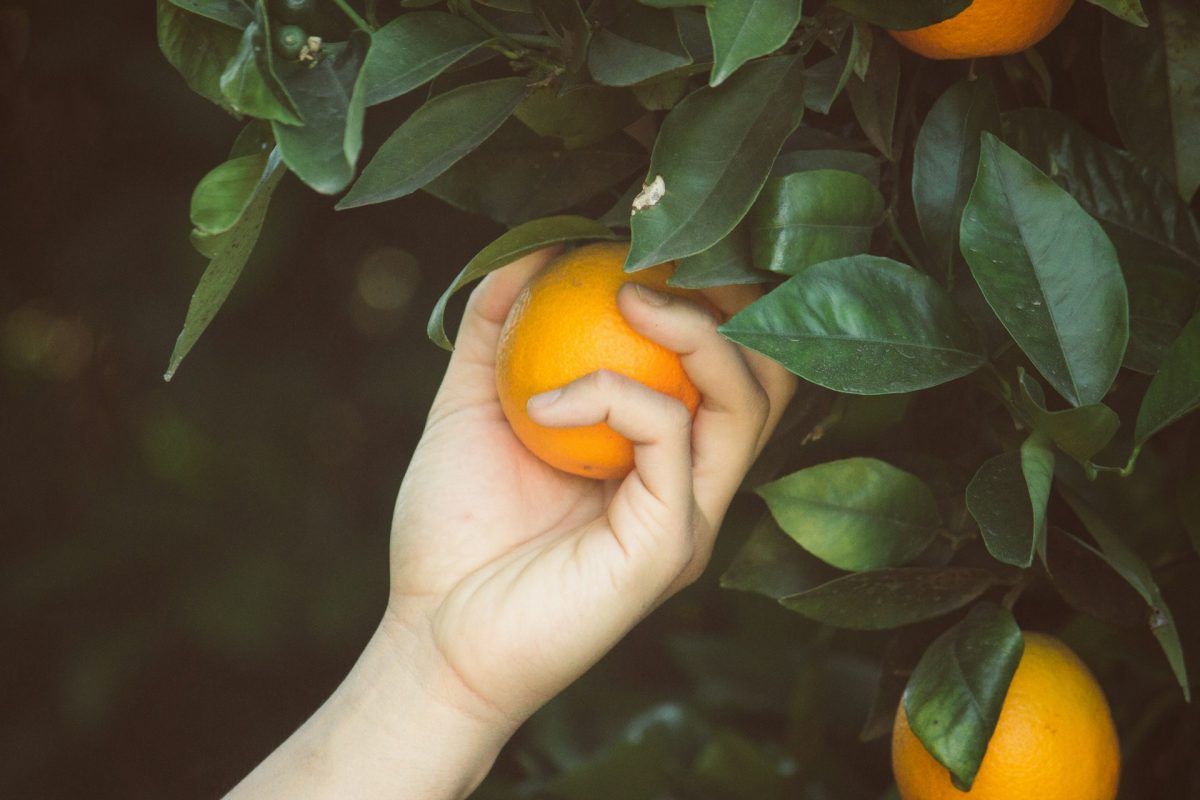
There’s something wildly satisfying about turning trash into something alive. Not just alive, but lush, leafy, and eventually loaded with fruit. That wrinkled avocado pit or forgotten lemon seed sitting on the counter doesn’t look like much, yet it holds the blueprint for a full-grown tree. The idea sounds like a backyard myth, but it lands firmly in reality with the right approach and a little patience. Forget complicated systems or expensive starter kits, because the starting point already sits in the kitchen.
Growing fruit trees from grocery store scraps feels like unlocking a hidden level in everyday life. It takes something ordinary and flips it into a long-term project that actually pays off, both visually and, sometimes, deliciously. This isn’t about instant gratification or overnight results, and that’s part of the charm. Each stage brings a new little win, from the first root to the first leaf to that moment when it finally resembles a real tree. With the right techniques and expectations, even beginners can pull this off and build something worth bragging about.
From Scraps to Starts: What Actually Works and What Doesn’t
Not every fruit scrap turns into a thriving tree, and knowing where to start saves a lot of frustration. Seeds from apples, lemons, oranges, avocados, peaches, and mangoes offer the best shot at success because they contain viable embryos that can sprout under the right conditions. Bananas and seedless grapes won’t cooperate, no matter how much effort goes into them, because they lack functional seeds. Store-bought fruit often comes from hybrid plants, which means the resulting tree may not match the original fruit exactly, but it still grows into a healthy and interesting plant.
Avocado pits stand out as the poster child of this method, and they sprout reliably with a little attention. Citrus seeds also perform well, especially when planted fresh instead of dried out. Apple seeds require a process called cold stratification, which mimics winter conditions and triggers germination. That step involves placing seeds in a damp paper towel inside the refrigerator for several weeks, and it makes a huge difference in success rates. Mango and peach pits need careful cleaning and sometimes cracking open to reveal the seed inside, which speeds up germination and avoids rot.
Expect variation, because nature doesn’t follow a script. Some seeds sprout quickly, while others take weeks or even months to show signs of life. That unpredictability adds to the excitement but also requires patience and consistency. Keeping expectations realistic helps avoid disappointment, especially when some attempts fail while others thrive. Treat each seed like a mini experiment, and the process becomes part of the reward instead of a test of luck.
Turning Your Kitchen into a Mini Nursery
Getting started doesn’t require a greenhouse or fancy equipment, which makes this whole process even more appealing. A few basics like small pots, well-draining soil, water, and access to sunlight, create the perfect setup for most fruit seeds. Containers with drainage holes matter more than people expect, because excess water leads to rot faster than almost anything else. Clean the seeds thoroughly before planting, since leftover fruit pulp can attract mold and pests.
Different fruits call for slightly different techniques, and paying attention to those details boosts success. Avocado pits often grow best when suspended over water with toothpicks until roots and shoots appear, while citrus seeds prefer direct planting in soil. Apple seeds need that cold treatment first, then they transition into soil once they begin to sprout. Keeping soil consistently moist but not soggy creates the ideal environment for growth, and regular light exposure keeps seedlings strong instead of leggy and weak.
Location plays a bigger role than most expect, especially in the early stages. A sunny windowsill works perfectly for many setups, but rotating pots occasionally ensures even growth. Temperature matters too, since most fruit seeds prefer warmth to kickstart germination. Avoid placing them near cold drafts or blasting heat sources, because sudden changes can stall progress. With just a bit of attention, a small corner of the kitchen or living space transforms into a thriving mini nursery full of potential.
Growth, Care, and Realistic Expectations
Patience becomes the most valuable tool in this entire process, because fruit trees don’t rush. Seeds may sprout in a couple of weeks, or they may take a couple of months, depending on the type and conditions. Once they break through the soil, consistent care keeps them moving forward. Watering needs balance, since too much suffocates roots while too little dries them out completely. Light remains essential, and young plants benefit from several hours of sunlight each day to build strong stems and healthy leaves.
Fertilizing comes into play once seedlings establish themselves, but it doesn’t need to get complicated. A balanced, diluted fertilizer every few weeks supports growth without overwhelming the plant. Repotting becomes necessary as roots expand, and moving the plant into a larger container gives it room to keep developing. Skipping this step can stunt growth and limit the plant’s potential, so staying ahead of root crowding makes a noticeable difference.
Fruit production requires a reality check, because most trees grown from seed won’t produce fruit quickly. Some may take years, and others may never fruit at all indoors. That doesn’t make the process a failure, because the journey still delivers a beautiful, living plant that adds character to any space. Treating these trees as ornamental plants first and fruit producers second keeps expectations aligned with reality. When fruit does appear, it feels like a bonus instead of a guarantee.
Tips to Boost Your Chances of Success
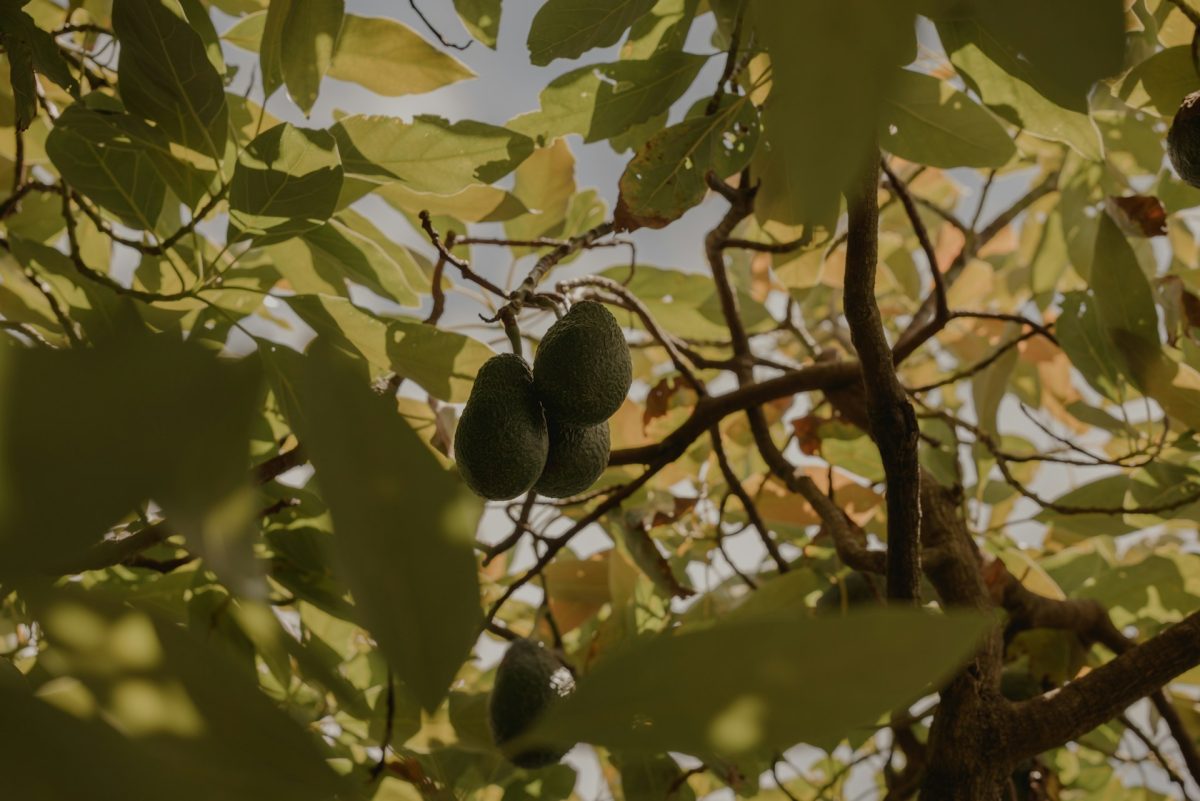
A few smart strategies can dramatically improve results and turn a casual attempt into a thriving project. Starting multiple seeds at once increases the odds of success, since not every seed will sprout or survive. Choosing organic fruit can help, because some conventionally grown produce undergoes treatments that affect seed viability. Keeping a simple routine for watering and light exposure prevents neglect, which often causes more problems than anything else.
Pruning becomes important as the plant grows, especially for indoor trees. Trimming back excessive growth encourages a fuller, more balanced shape and prevents the plant from becoming tall and spindly. Pest control also matters, even indoors, since small insects can still find their way to plants. Regularly checking leaves and soil helps catch issues early before they spread or cause serious damage. A gentle rinse or natural solution often handles minor infestations without harsh chemicals.
For those aiming for fruit production, grafting offers a more advanced option. This technique involves attaching a cutting from a mature, fruit-producing tree onto a seed-grown plant, which can significantly speed up fruiting. It requires practice and precision, but it opens the door to more predictable results. Even without grafting, consistent care and the right environment can still produce impressive growth. Staying curious and experimenting with different methods keeps the process engaging and rewarding.
More Than Just Fruit
Growing fruit trees from scraps delivers something bigger than a harvest. It creates a connection to the food on the table, turning something disposable into something meaningful and lasting. Watching a seed transform into a thriving plant brings a sense of accomplishment that store-bought plants rarely match. It also encourages a more sustainable mindset, where everyday items gain new purpose instead of heading straight to the trash.
Which fruit scraps sit on the counter right now, just waiting for a second life? Share the ideas, experiments, or unexpected wins that have come out of growing something from nothing, and see what others bring to the table, too.
You May Also Like…
Florida Gardeners Warned: This Invasive Beetle Is Destroying Fruit Trees
5 Fruit Trees That Will Stay Small But Produce Tons Of Fruit
The Best Way to Prune Fruit Trees Before the Cold Sets In
9 Fruit Tree Grafts That Take Best in Fall
10 Fruits to Preserve While They’re at Peak Flavor

Brandon Marcus is a staff writer for FrugalGardening.com at District Media, Inc., where he delivers practical gardening advice with a relatable, no-nonsense style. An avid amateur gardener, he holds a BA degree and with over ten years of professional writing experience, he is also an award-winning published author whose first book, Questions For Deep Thinkers, was released by Adams Media. His work has appeared in major publications including Fandom.com, CHUD.com, TheColdWire.com, and Fansided.com.
Leave a Reply