If you’ve ever skipped growing your own fruit because you pictured a massive tree taking over the yard, you’ve been sold the wrong story. Plenty of varieties stay compact, fit into small spaces, and still reward you with baskets of fruit when you give them sun and steady care. The trick is choosing the right type and understanding what “small” really means in the fruit world. Some stay naturally compact, while others stay manageable because they’re grafted onto dwarfing rootstock or trained to a shape. Here are five picks that make fruit trees feel doable for real-life gardens, not just big orchards.
1. Dwarf Apple Trees That Keep Giving
Dwarf apples are classic small-space producers because the rootstock keeps the tree compact and focused. You can often keep them around 8 to 10 feet tall, and even smaller with pruning and training. Apples can be heavy producers once they settle in, and thinning the fruit early helps you get better size and flavor. Many need a pollination partner, so plan for two compatible varieties or a neighbor’s tree nearby. If you want fruit trees that feel like a long-term investment with big payback, dwarf apples are hard to beat.
2. Dwarf Peach Trees With Big Backyard Energy
Peaches come in dwarf and semi-dwarf forms that stay surprisingly manageable in a home garden. With the right pruning, you can keep a peach tree around 6 feet and still harvest plenty. Peaches also fruit quickly compared to some trees, which is great if you don’t want to wait forever. The key is annual pruning because peaches fruit on one-year-old wood, and that keeps production strong. For gardeners who want fruit trees that deliver fast, peaches are a solid pick.
3. Fig Trees That Love Being Kept Compact
Figs are a small-yard favorite because they respond well to pruning and even container growing. In many climates you can keep a fig at 6 to 10 feet and still get a generous harvest. They don’t need a pollination partner for many common varieties, which simplifies planning. Figs also tolerate being trained into a bush form, which can be easier to protect in winter and easier to harvest. If you’re after fruit trees with a “set it up once and enjoy it” vibe, figs belong on your list.
4. Dwarf Citrus For Patios And Sunny Corners
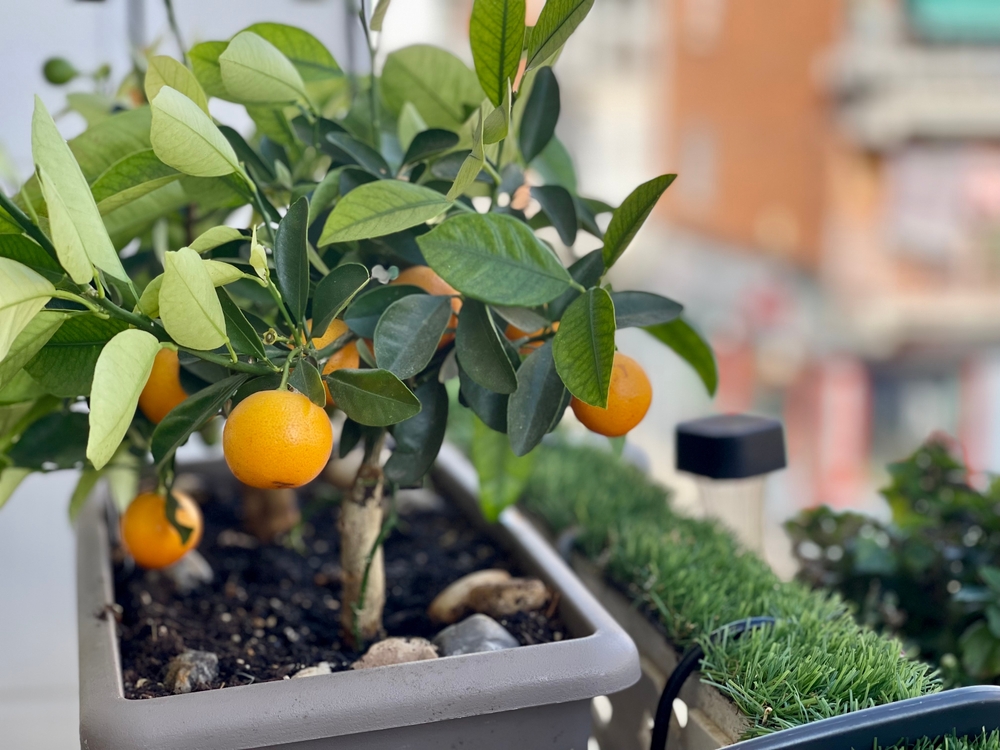
Dwarf citrus trees are famous for staying compact while producing serious fruit, especially in pots. Lemons, limes, and mandarins can thrive in containers if they get lots of sun and consistent watering. The biggest trick is protecting them from cold snaps, because roots in pots freeze faster than roots in the ground. If you live in a colder area, plan to move them into a bright, cool spot for winter. For anyone who wants fruit trees without committing yard space, dwarf citrus can be your patio MVP.
5. Compact Cherry Trees That Don’t Tower Over The Yard
Cherries used to be “big tree” territory, but dwarf and semi-dwarf options changed the game. You can find sweet and tart types that stay smaller and still produce well with good sun and pruning. Netting often matters more than anything else because birds love cherries as much as people do. Some varieties are self-fertile, while others need a partner, so check that before buying. If you want fruit trees that feel like a special treat and don’t eat your whole yard, compact cherries are worth the effort.
Fruit Trees: The Small-Tree Tricks That Multiply Your Harvest
The biggest secret to high production isn’t just the variety, it’s how you care for it from day one. Give your tree full sun, keep the soil evenly moist in the first couple of years, and mulch to protect roots and reduce stress. Prune with a purpose so the canopy stays open, because light and airflow drive better fruit and fewer disease issues. Thin heavy fruit loads so branches don’t snap and the tree doesn’t burn itself out. When you treat fruit trees like a long-term system instead of a one-time purchase, small trees can deliver big harvests year after year.
Which one would you rather grow first—a patio citrus, a compact fig, or a dwarf apple you can train into the perfect shape?
What to Read Next…
8 Backyard Fruits No One Knows You Can Grow in Small Spaces
Is Early Garden Mapping the Key to Higher Yields on a Budget?
The Container Gardening Trick That Saves Space and Boosts Yield
These 5 Plant Pairings Are Killing Yields in Backyard Gardens
How to Keep Citrus Trees Thriving in a Cold Climate

Catherine is a tech-savvy writer who has focused on the personal finance space for more than eight years. She has a Bachelor’s in Information Technology and enjoys showcasing how tech can simplify everyday personal finance tasks like budgeting, spending tracking, and planning for the future. Additionally, she’s explored the ins and outs of the world of side hustles and loves to share what she’s learned along the way. When she’s not working, you can find her relaxing at home in the Pacific Northwest with her two cats or enjoying a cup of coffee at her neighborhood cafe.
Leave a Reply