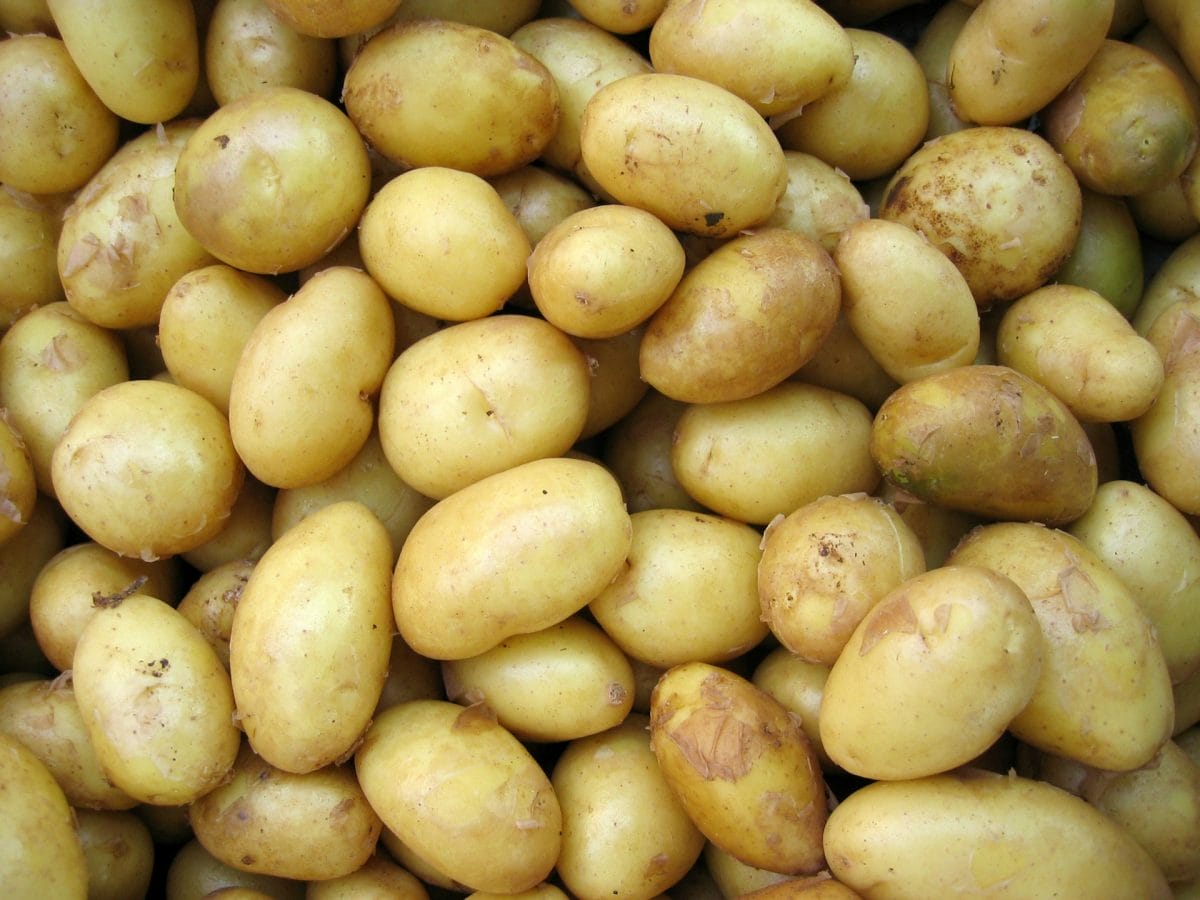
A five-dollar bag of potatoes doesn’t sparkle, it doesn’t trend, and it definitely doesn’t scream “game changer” at first glance. Yet that humble sack holds serious potential, the kind that stretches meals, trims grocery bills, and quietly solves the daily “what’s for dinner” puzzle without breaking a sweat. Potatoes don’t need hype because they deliver results, and they do it consistently, cheaply, and with a surprising amount of flexibility.
This isn’t about survival food or bland, repetitive plates that feel like a chore. This is about turning one of the most affordable ingredients in the store into a reliable, creative, and even exciting foundation for feeding a household. A single bag can anchor breakfasts, power lunches, and carry dinners without feeling tired or predictable. With a little planning and a few smart moves, that bag transforms into something much bigger than the price tag suggests.
The Math That Makes Potatoes a Budget Superstar
A standard five-pound bag of potatoes often costs just a few dollars, and that number alone already grabs attention. Each pound typically holds two to three medium potatoes, which means a single bag can deliver around ten to fifteen solid servings depending on portion size and preparation style. That kind of yield turns potatoes into one of the most cost-effective calorie sources available in most grocery stores. Unlike many cheap foods, potatoes also bring real nutritional value to the table, including vitamin C, potassium, and fiber when the skin stays intact.
Stretching that value even further doesn’t require complicated math or extreme portion control. A single potato can bulk up soups, extend casseroles, or transform into a filling base for breakfast dishes. Chop it, mash it, roast it, or slice it thin, and each version feels like a completely different meal even though it starts with the same ingredient. That flexibility matters because it keeps meals interesting while still sticking to a tight budget.
Smart planning multiplies the impact. Pairing potatoes with low-cost proteins like eggs or beans creates complete, satisfying meals without driving up costs. Adding onions, garlic, or simple spices changes the flavor profile without adding much to the grocery bill. Every combination unlocks another way to stretch that original purchase, and suddenly that five-dollar bag doesn’t just feed a family once or twice. It carries multiple meals across several days, sometimes even longer.
From Breakfast to Dinner: One Ingredient, Endless Possibilities
Potatoes refuse to stay in one lane, and that’s where they really shine. Breakfast alone offers a wide range of options, from crispy hash browns to skillet potatoes tossed with peppers and onions. Dice them small, cook them until golden, and suddenly breakfast feels hearty without requiring expensive ingredients. Add eggs on top, and the meal becomes even more filling while staying affordable.
Lunch keeps the momentum going with simple but satisfying options. A baked potato topped with leftover vegetables or a bit of shredded cheese turns into a quick, warm meal that feels more substantial than a sandwich. Potato salads offer another route, especially when mixed with basic pantry ingredients like mustard, oil, or vinegar. These meals don’t demand much time or money, yet they still deliver comfort and variety.
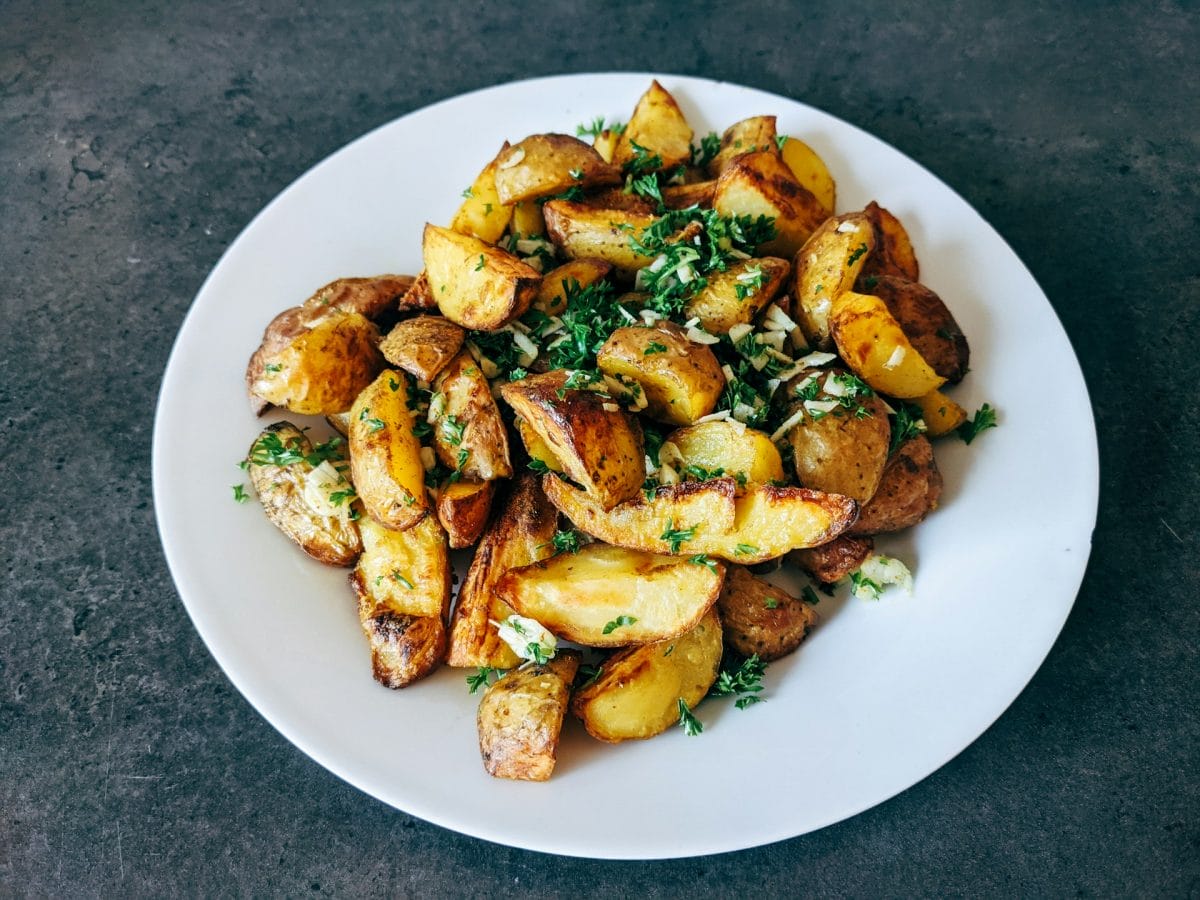
Dinner opens the door to even more creativity. Roasted potatoes pair with nearly any protein, while mashed potatoes stretch smaller portions of meat into a full plate. Sliced thin and layered into casseroles, potatoes create dishes that feed multiple people without requiring expensive ingredients. Even something as simple as pan-fried potatoes with seasoning can stand alone as a satisfying meal when done right. That range keeps things fresh and prevents the boredom that often comes with budget cooking.
Storage Secrets That Turn One Bag Into Weeks of Meals
Potatoes last longer than many fresh foods, but they need the right conditions to stay in good shape. Cool, dark, and dry spaces help them hold their quality, which makes a pantry or cupboard a better option than a countertop exposed to light and heat. Storing potatoes properly prevents sprouting and keeps their texture firm, which means fewer wasted groceries and more usable meals.
Keeping them away from onions also matters more than most people realize. Onions release gases that can speed up spoilage, and that simple mistake can shorten the life of both ingredients. A little separation goes a long way in preserving freshness. Checking the bag occasionally for soft spots or sprouting potatoes also helps catch issues early before they spread.
Freezing offers another smart move for long-term use, especially after cooking. Mashed potatoes, roasted chunks, or even par-cooked slices can freeze well and reheat quickly. That approach saves time on busy days and ensures that nothing goes to waste. With the right storage habits, that original five-pound bag doesn’t just last a few days. It can stretch into weeks of reliable meal options.
Flavor Upgrades That Keep Things Exciting Without Spending More
Potatoes provide the perfect blank canvas, and that opens the door to endless flavor upgrades without a big price tag. Basic seasonings like salt, pepper, garlic powder, and paprika can completely transform the taste with minimal effort. A drizzle of oil and a sprinkle of herbs turn roasted potatoes into something that feels far more special than the ingredients suggest.
Simple sauces and toppings also bring variety without much cost. A spoonful of yogurt or sour cream, a splash of hot sauce, or even a bit of grated cheese can change the entire experience. Mixing in leftover vegetables or small amounts of meat creates new dishes without requiring a full grocery trip. That kind of flexibility keeps meals interesting while sticking to a tight budget.
Trying different cooking methods also adds variety. Boiling creates soft, comforting textures, while roasting brings out crisp edges and deeper flavors. Pan-frying adds a golden crunch, and baking keeps things simple and hands-off. Each method delivers a different result, and rotating between them prevents meals from feeling repetitive. That variety turns a basic ingredient into something that feels fresh every time.
Stretching Beyond the Plate: Turning Potatoes Into a Full Strategy
Potatoes don’t just fill plates; they support an entire approach to smarter grocery shopping. Building meals around affordable staples reduces overall spending and creates more room in the budget for occasional extras. That strategy doesn’t mean giving up flavor or satisfaction. It simply shifts the focus toward ingredients that deliver more for less.
Planning ahead plays a huge role in making this work. Mapping out a few meals at the start of the week helps ensure that every potato gets used efficiently. Cooking larger batches and using leftovers creatively prevents waste and saves time. Even small steps like pre-chopping or pre-cooking can make a big difference during busy days.
Combining potatoes with other budget-friendly staples creates a reliable system. Rice, beans, pasta, and seasonal vegetables all pair well and expand the range of possible meals. That combination keeps grocery bills manageable while still offering variety. Over time, this approach builds confidence in the kitchen and makes budget cooking feel less like a limitation and more like a skill.
The Real Power of the Potato
A single bag of potatoes proves that smart food choices don’t need to feel restrictive or boring. That small purchase carries the ability to stretch meals, support a budget, and keep a kitchen running smoothly without constant trips to the store. With the right approach, potatoes move beyond side dish status and become a core part of a practical, flexible, and even enjoyable way to cook.
So how far could one bag stretch in your kitchen, and what creative meals could come out of it with a little planning and a few bold ideas? Let’s hear your potato thoughts in our comments section.
You May Also Like…
5 Budget Vegetable Patch Designs for Small Yards
Stop Throwing Money Away: 7 Kitchen Scraps That Regrow Into Full Meals
How to Grow More Food in Less Space Without Expanding Your Garden
Why Some Plants Reject Fertilizer and How to Adjust
5 Patio Herb Garden Ideas That Work for Renters and Small Spaces

Brandon Marcus is a staff writer for FrugalGardening.com at District Media, Inc., where he delivers practical gardening advice with a relatable, no-nonsense style. An avid amateur gardener, he holds a BA degree and with over ten years of professional writing experience, he is also an award-winning published author whose first book, Questions For Deep Thinkers, was released by Adams Media. His work has appeared in major publications including Fandom.com, CHUD.com, TheColdWire.com, and Fansided.com.
Leave a Reply