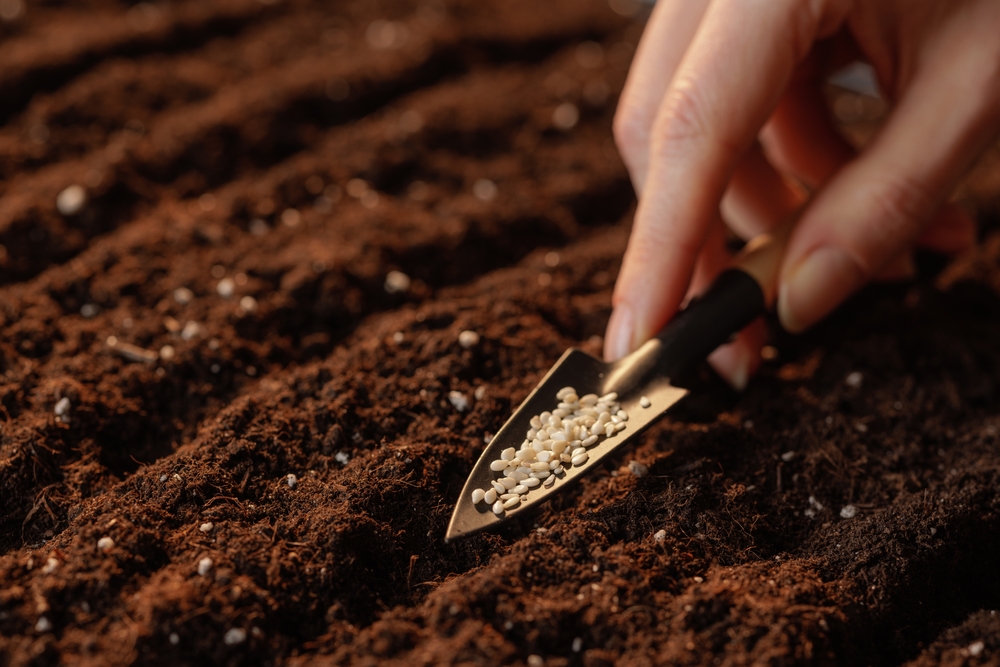
It only takes one missing ingredient to stop a plant’s life before it even begins. Not pests, not bad soil, not even a lack of sunlight—just water. Strip moisture away from a seed, and everything grinds to a halt before the first root even gets a chance to stretch. That tiny, seemingly lifeless speck depends on water like a switch depends on electricity, and without it, nothing turns on.
Seeds don’t negotiate, improvise, or adapt around dryness in those early moments. They follow a strict biological script, and water plays the starring role from the very first second. Remove that role, and the entire performance collapses before the curtain rises.
The Moment Everything Stops: Germination Hits a Wall
Seeds kick off their journey with a process called germination, and water acts as the ignition key that starts the engine. When moisture reaches a seed, it absorbs that water through its outer shell in a process called imbibition, swelling as enzymes activate and internal systems wake up. Without enough water, that swelling never reaches the point needed to crack the seed coat, and the embryo inside stays locked in suspended animation. The seed doesn’t die immediately, but it refuses to move forward, stuck in a kind of biological standby mode.
Dry conditions keep enzymes inactive, prevent nutrient breakdown, and block the energy release required for growth. Even seeds that start the process can stall halfway if moisture levels drop too soon, leaving them vulnerable and weak. Gardeners often mistake this pause for failure, but the truth sits deeper: the seed simply never got the signal to begin. Consistent moisture matters more than occasional soaking, and uneven watering often causes more damage than a steady but moderate supply.
Dry soil creates another layer of trouble by limiting contact between the seed and the surrounding environment. Seeds rely on that contact to absorb water evenly, and patchy moisture leads to inconsistent results across a planting area. Some seeds might sprout while others sit idle just inches away, creating uneven growth patterns that frustrate even experienced growers. Temperature plays a role too, but without water, even ideal warmth won’t push germination forward. Seeds need both, working together, not separately.
Weak Starts Lead to Struggling Plants
Seeds that receive just enough water to sprout but not enough to sustain early growth face a tough uphill climb. The first root, called the radicle, emerges and immediately searches for moisture, anchoring the plant and pulling in nutrients. When water remains scarce, that root system stays shallow and underdeveloped, leaving the young plant unstable and vulnerable. Weak roots limit access to nutrients in the soil, which leads to stunted growth, pale leaves, and slow development above ground. Plants built on weak foundations rarely recover fully, even if conditions improve later.
Inconsistent watering during this stage creates stress cycles that damage the plant’s internal balance. The seedling tries to adapt, but constant shifts between dry and damp conditions confuse its growth signals. Leaves may curl, stems may stretch thin in search of resources, and overall vigor drops significantly. This stage shapes the plant’s long-term health, so early neglect carries consequences that last throughout its life. A steady watering routine helps build strong roots and stable growth patterns, giving plants the resilience they need to handle environmental stress later on. Watering deeply but less frequently encourages roots to grow downward, while light, frequent watering keeps them shallow and fragile.
The Silent Killer: Dehydration and Dormancy
Seeds that don’t receive enough water don’t always fail immediately. Some slip into extended dormancy, waiting for better conditions that may never come. This survival mechanism allows seeds to remain viable for long periods, but it also delays growth indefinitely. In a garden setting, that delay creates frustration and wasted time, especially when planting schedules depend on predictable results. Seeds in dormancy don’t rot or decay right away, but they also don’t contribute anything to the growing cycle.
In harsher conditions, dehydration pushes seeds past dormancy into permanent damage. Cellular structures inside the seed begin to break down when moisture levels stay too low for too long, reducing the chances of successful germination even if water becomes available later. This damage often goes unnoticed until seeds fail to sprout despite ideal conditions. Storage conditions play a role here as well, since seeds kept in overly dry or fluctuating environments lose viability faster. Keeping seeds in cool, stable, slightly humid conditions helps preserve their potential, but once planted, they need immediate and consistent moisture to follow through. Gardeners who pre-soak seeds or use moisture-retaining soil mixes often see better results because they eliminate that initial barrier.
Soil Drama: When Dry Dirt Makes Everything Worse
Dry soil doesn’t just sit there minding its own business—it actively works against seeds trying to grow. When soil lacks moisture, it hardens and compacts, making it difficult for emerging roots to push through. That resistance slows down growth and increases the energy required for a seedling to establish itself. Compacted soil also reduces air pockets, which limits oxygen availability and further stresses the plant. Seeds need a balance of air and water in the soil, and dry conditions throw that balance completely off.
Hydrophobic soil adds another twist to the problem. Some soils, especially those rich in organic matter that has dried out, repel water instead of absorbing it. Water runs off the surface or pools unevenly, leaving seeds dry even after watering. This issue creates a frustrating cycle where watering doesn’t actually solve the problem. Breaking up the soil, adding compost, and watering slowly helps restore proper absorption. Soil texture matters too, as sandy soils drain quickly and lose moisture fast, while clay soils hold water but may compact easily when dry. Finding the right balance and adjusting watering habits based on soil type makes a huge difference in seed success.
Smart Fixes That Turn Things Around Fast
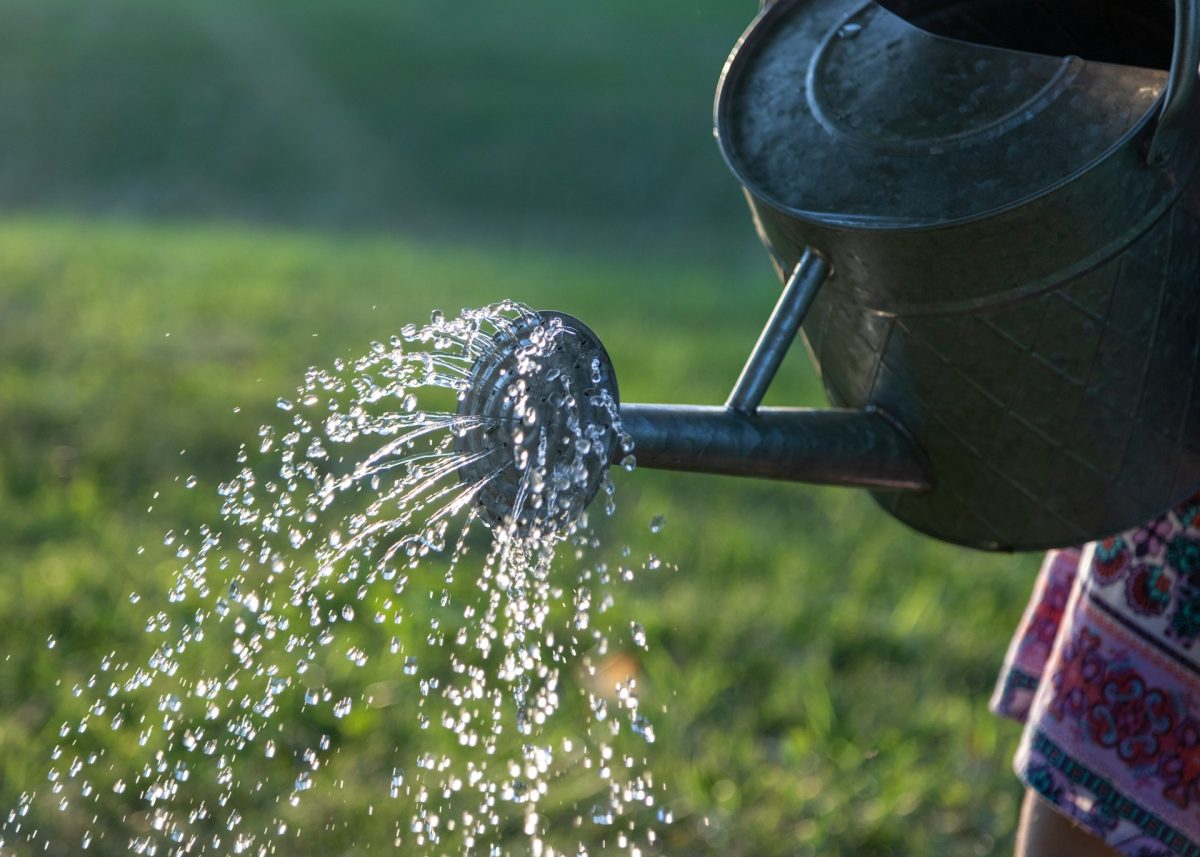
Turning things around doesn’t require fancy tools or complicated systems, but it does demand consistency and attention. Starting with pre-moistened soil gives seeds immediate access to the water they need, eliminating the delay that dry soil creates. Using a spray bottle or gentle watering can helps maintain even moisture without disturbing the seeds. Covering seed trays with a humidity dome or plastic wrap traps moisture and creates a mini greenhouse effect that supports germination. Once sprouts appear, removing that cover prevents excess humidity from causing mold or disease.
Timing also plays a key role in watering success. Early morning watering allows moisture to soak into the soil before heat causes evaporation, giving seeds a longer window to absorb what they need. Monitoring soil with a simple touch test—checking whether the top layer feels dry or damp—helps guide watering decisions without guesswork. Adding a thin layer of mulch can slow evaporation and maintain consistent moisture levels, especially in outdoor gardens. Choosing high-quality soil mixes designed for seed starting improves water retention and drainage at the same time. Small adjustments like these often make the difference between a patchy, disappointing garden and one that bursts with life.
Water Isn’t Optional, It’s Everything
Seeds don’t ask for much, but they demand consistency where it counts. Water fuels every step of their early development, from the moment they absorb moisture to the point they push through the soil and reach for sunlight. Skip that step or handle it poorly, and the entire process falls apart before it even gets going. Strong plants begin with strong starts, and strong starts depend heavily on reliable watering habits that don’t swing wildly between extremes.
What watering tricks or routines have worked best, and what challenges have popped up along the way? Drop those thoughts, strategies, or even plant fails into the comments—there’s always something new to learn from each growing season.
You May Also Like…
5 DIY Bird Deterrents That Protect Seeds and Seedlings
Why Some Seeds Never Germinate and How to Improve Your Success Rate
When to Thin Seedlings for Maximum Growth
How to Stop Birds From Digging Up Seeds
9 Seeds You Can Plant Immediately — No Matter the Weather

Brandon Marcus is a staff writer for FrugalGardening.com at District Media, Inc., where he delivers practical gardening advice with a relatable, no-nonsense style. An avid amateur gardener, he holds a BA degree and with over ten years of professional writing experience, he is also an award-winning published author whose first book, Questions For Deep Thinkers, was released by Adams Media. His work has appeared in major publications including Fandom.com, CHUD.com, TheColdWire.com, and Fansided.com.
Leave a Reply