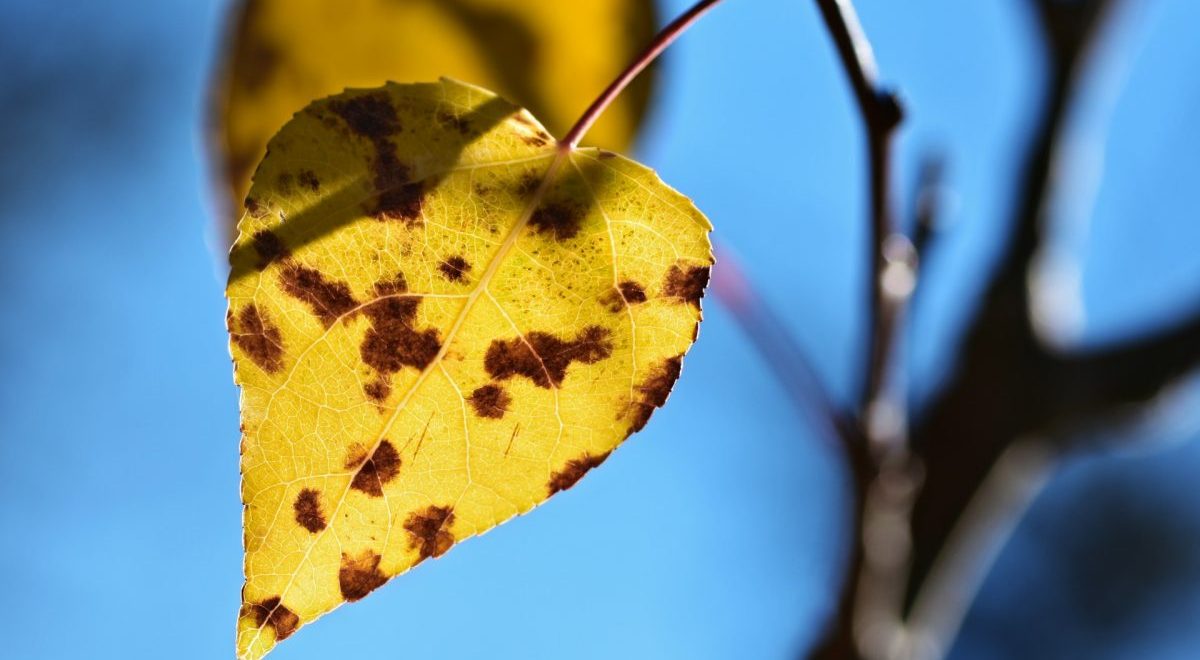
Leaves turning yellow feels like a personal betrayal from your plant. One day, everything is vibrant green, and the next, those glossy leaves are sporting sad yellow patches. Sudden yellowing signals trouble, and ignoring it only accelerates decline. Understanding the root cause fast can save plants from a slow march toward wilted doom. This is not a moment for guesswork—plants communicate through color, texture, and posture, and reading these signals accurately can be the difference between revival and regret.
Yellowing leaves are often dramatic, but the drama carries a purpose. Every yellow patch, crisp edge, or droop is a coded SOS. Some reasons are simple, like too much water, while others hint at nutrient deficiencies or pest invasions. Acting quickly allows gardeners to intervene effectively. Identifying patterns, diagnosing symptoms, and implementing remedies are the keys to restoring your plants to lush vitality. The goal isn’t just to stop the yellowing but to strengthen the plant so it thrives beyond the crisis.
Decoding the Yellow: Understanding What Your Plant Is Trying to Say
When leaves turn yellow, plants are shouting, and ignoring them only escalates the situation. Overwatering remains one of the most common culprits, even among experienced plant enthusiasts. Roots drown in soggy soil, oxygen disappears, and the plant starts showing stress through yellow leaves. Underwatering can mimic this symptom too, producing yellow leaves that eventually brown and curl. The key difference is texture—overwatered leaves feel soft and limp, while underwatered ones crisp and brittle.
Nutrient deficiencies also trigger yellowing. Nitrogen deficiency, for example, causes older leaves to yellow first, while iron deficiency typically turns new leaves pale. Potassium, magnesium, and zinc shortages can all manifest through subtle to dramatic leaf color changes. Soil testing and careful fertilization help correct these imbalances. Another factor to watch is light: too little sunlight can fade foliage, while sudden exposure to intense sun may scorch leaves. Observing where yellowing occurs first—new growth versus older leaves, shaded areas versus sun-facing—provides crucial clues to the underlying problem.
Watering Woes: Too Much, Too Little, or Just Right?
Watering is deceptively simple, yet it’s where many plants meet their demise. Overwatering suffocates roots, fosters fungal infections, and washes away essential nutrients. Yellow leaves appear, and the plant droops as it struggles to breathe. Underwatering, on the other hand, triggers stress responses that lead to yellowing as the plant cannibalizes itself for survival. Both extremes can look eerily similar, so gardeners need to check soil moisture, feel roots, and observe leaf texture closely.
To prevent yellowing, water consistently but allow the top inch or two of soil to dry between sessions for most houseplants. Use pots with drainage holes and avoid letting plants sit in puddles. Consider self-watering pots or moisture meters for high-maintenance varieties. Adjust watering frequency based on season and indoor climate: plants often need less water in winter but more during active growth periods. Remember, the goal is not just survival but creating the optimal moisture rhythm for each species.
Nutrients That Keep Plants Singing in Green
Plants need more than water—they need a balanced buffet of nutrients. Nitrogen boosts leafy growth, magnesium supports photosynthesis, and iron keeps new leaves vibrant. Yellowing can indicate a missing ingredient in this nutrient mix. Fertilizers can be lifesavers, but they need to match the plant’s needs and the soil’s current composition. Too much fertilizer can burn roots and worsen yellowing, so precision matters.
Organic options like compost, worm castings, or seaweed extracts improve soil health gradually and feed plants naturally. Regular soil testing ensures adjustments target deficiencies without overloading the system. Observing plants over weeks after supplementing nutrients allows gardeners to gauge effectiveness. Combining proper watering with attentive fertilization creates a feedback loop where plants regain strength and resume healthy growth patterns. Healthy soil equals happy leaves.
Pest Patrol: When Bugs and Bacteria Steal the Show
Sometimes, yellowing doesn’t result from neglect but from intruders. Spider mites, aphids, and scale insects feast on plant sap, leaving yellow specks and weakening foliage. Fungal infections like root rot or leaf spot can also trigger sudden yellowing. Inspect both the tops and undersides of leaves, along stems, and around the soil surface for tiny signs of life or decay.
Natural remedies include neem oil, insecticidal soap, and diatomaceous earth for manageable infestations. Severe cases may require careful pruning of affected leaves and isolating the plant to prevent spread. Maintaining air circulation, keeping foliage dry, and cleaning pots regularly create an environment less hospitable to pests. Vigilant observation is critical—catching an infestation early is far easier than reversing weeks of damage.
Light It Right: Too Much or Too Little Can Hurt
Plants need light for photosynthesis, but not all plants thrive under the same intensity. Low-light conditions slow chlorophyll production, causing leaves to yellow. Suddenly moving a plant from shade to bright sunlight can shock it, scorching leaves or triggering rapid yellowing. Assess the species’ ideal light conditions and adjust placement carefully.
Rotate plants occasionally to ensure even exposure, and consider supplemental LED grow lights for indoor greenery. Monitor leaves weekly: slight pale tinges signal the need for more light, while burnt patches suggest excess. Plants are remarkably responsive; small adjustments to light can reverse yellowing trends within a few weeks. Observing and learning a plant’s preferences creates a long-term, low-stress environment where yellowing becomes a rare drama.
Prevention Is the Ultimate Cure: Routine Care That Pays Off
Prevention may sound boring, but it’s the secret to keeping yellow leaves at bay. Consistent watering, proper fertilization, pest monitoring, and attention to light create resilience. Regular pruning and cleaning remove damaged leaves before problems escalate, and repotting when roots outgrow pots ensures soil health. Healthy, vigorous plants tolerate stress far better than neglected ones.
Scheduling monthly plant check-ins, observing leaf color patterns, and noting growth cycles help catch potential issues before yellowing becomes severe. Small actions compound into significant results. Using plant journals or smartphone reminders turns routine care into a structured habit. By treating plant care as a proactive adventure rather than a reactive chore, yellowing becomes an occasional hiccup rather than a crisis.
Keeping Your Green Friends Vibrant
Yellow leaves don’t have to spell doom. Recognizing the cause, adjusting watering, supplementing nutrients, managing pests, and fine-tuning light conditions breathe new life into stressed plants. The key is speed, observation, and consistent care. Each plant reacts uniquely, and learning to read its signals transforms yellowing into an actionable alert rather than panic. Healthy leaves emerge when gardeners combine knowledge, attention, and a little patience.
What strategies have worked best for bringing yellowing leaves back to life? Share your stories, hacks, or even your plant disasters in the comments. Let’s turn yellow into green together and swap tips that keep every leaf thriving.
You May Also Like…
The Unexpected Insect That Devours New Leaves Before You Notice Damage
What Curling Leaves Often Signal in Spring
March Bugs That Target Tender New Leaves
Why Leaf Mold Becomes “Black Gold” by Spring
Why Cooler Nights Boost Leafy Green Flavor

Brandon Marcus is a staff writer for FrugalGardening.com at District Media, Inc., where he delivers practical gardening advice with a relatable, no-nonsense style. An avid amateur gardener, he holds a BA degree and with over ten years of professional writing experience, he is also an award-winning published author whose first book, Questions For Deep Thinkers, was released by Adams Media. His work has appeared in major publications including Fandom.com, CHUD.com, TheColdWire.com, and Fansided.com.
Leave a Reply