Ants don’t knock before they invade, and once they set foot in your home, they march like tiny invaders on a mission. One moment, your kitchen looks pristine; the next, there’s a trail of determined little workers dragging crumbs twice their size across your countertops. Forget toxic sprays that leave a chemical haze over your home and irritate pets or kids—there’s a better, smarter way to show ants the exit. Science, nature, and a little bit of strategy combine to create solutions that are both safe and surprisingly effective.
Imagine turning your kitchen, bathroom, or garden into an ant-free fortress without sacrificing health or eco-consciousness. With these five natural methods, ants won’t stand a chance, and you won’t have to resort to chemical warfare. Each technique harnesses everyday ingredients or simple adjustments that disrupt ants’ instincts and keep your spaces pristine.
1. Lemon and Citrus: Nature’s Ant Alarm
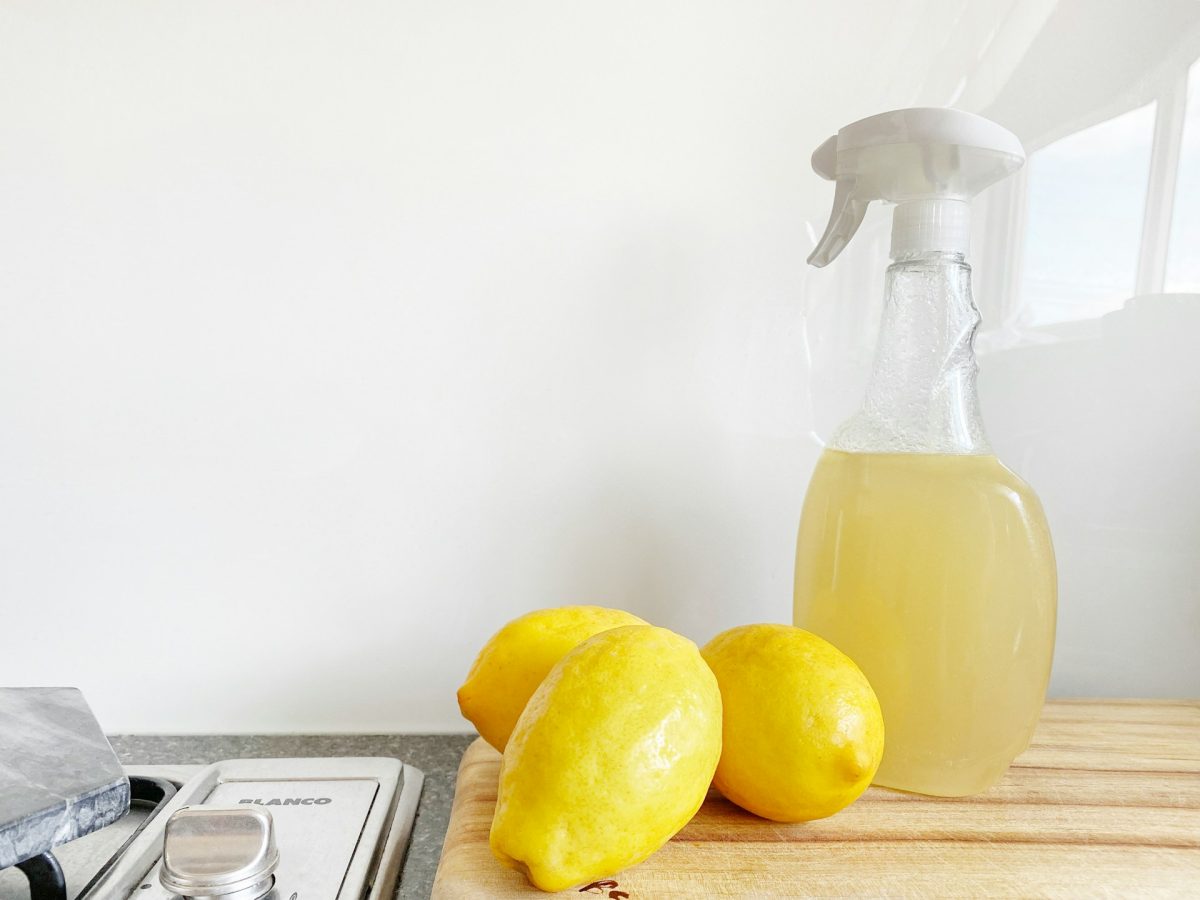
Ants have a super-sensitive sense of smell, and citrus scents send their tiny noses into chaos. Lemon juice, lime, or even orange peels act as natural disruptors of the scent trails ants rely on to navigate. A few drops of lemon juice along windowsills, door frames, and baseboards can scramble their internal GPS, making your home a confusing maze instead of a dining hall. The citric acids also weaken ants’ exoskeletons on contact, making the environment doubly hostile.
Slice a lemon and place wedges near suspected entry points or combine lemon juice with water to create a spray. Not only does this repel ants, but it leaves behind a fresh, invigorating scent that no chemical could ever match. For persistent infestations, rubbing citrus peels along countertops or sinks adds a layer of protection that’s non-toxic but highly effective. Citrus works in harmony with other natural methods, enhancing their potency without creating chemical overload. Pairing it with vinegar or essential oils multiplies the confusion factor for ants, making them rethink every step.
2. Vinegar: The Classic Ant Deterrent
Vinegar earns its reputation for a reason. Its strong, pungent odor erases ants’ scent trails, the invisible highways they use to shuttle food back to their colonies. Distilled white vinegar works best, but apple cider vinegar is effective and leaves a subtler aroma if strong scents bother you. Mix equal parts vinegar and water in a spray bottle and target baseboards, window sills, and entryways. Each spray erases trails and acts as a warning sign that your home is off-limits.
Beyond the kitchen, vinegar works wonders in outdoor spaces like patios or garden paths. It’s safe for most plants when used carefully and won’t leave dangerous residues on surfaces where children or pets play. For high-traffic ant zones, combine vinegar sprays with daily cleaning routines, wiping down surfaces with a vinegar solution to continually disrupt their trails. The versatility of vinegar makes it a staple weapon against ants, and unlike chemical sprays, it won’t linger in the air or contaminate food prep areas. Its effectiveness paired with ease of use gives it a permanent spot in any natural pest-control toolkit.
3. Essential Oils: Tiny Bottles, Big Impact
Peppermint, tea tree, and eucalyptus oils are like tiny fortresses against ants. These oils attack the olfactory senses of ants, making them steer clear of areas treated with even a few drops. Peppermint oil is particularly potent; a cotton ball soaked in peppermint oil near entry points creates a deterrent barrier that ants avoid. Tea tree oil is another powerhouse, with added antimicrobial benefits that protect surfaces while repelling pests.
Dilute essential oils with water or carrier oils for safer handling and broader coverage. Place sprays in corners, under sinks, and around doorframes, and consider pairing them with other repellents like citrus or vinegar for maximum effect. The aromatic benefits make your home feel refreshing rather than chemically treated, and they double as a natural way to keep mold and bacteria at bay. For outdoor use, sprinkle a few drops around garden beds or planters to maintain an ant-free perimeter without disrupting the ecosystem. Essential oils offer a stylish, safe, and aromatic method to outwit ants while adding a pleasant ambiance to your space.
4. Cinnamon and Spices: The Unexpected Warriors
Cinnamon, cloves, and cayenne pepper aren’t just for cooking—they’re formidable ant repellents. Their strong, pungent smells confuse ants’ scent trails, turning familiar paths into obstacle courses. Sprinkle cinnamon powder along windowsills, cabinet edges, or directly at entry points to create a barrier ants hesitate to cross. Cloves and cayenne offer the same effect with a slightly different aroma profile, allowing customization depending on your preference.
This method works best for smaller infestations or as a preventive measure during warmer months when ants become more active. Cinnamon also offers natural antibacterial properties, keeping your surfaces fresher while acting as a deterrent. Rotate spices periodically to maintain effectiveness, as ants can sometimes adapt to a single scent over time. Pairing cinnamon with citrus or vinegar amplifies its repelling effect, making your home increasingly inhospitable to tiny intruders without introducing toxins.
5. Soap and Water: Simple, Surprisingly Effective
A simple solution of dish soap and water can disrupt ants immediately. Soap breaks down the waxy coating on their bodies, causing dehydration and disorientation. Combine a few drops of dish soap with water in a spray bottle and target ants directly or spray along trails and entry points. This method doesn’t just repel—it can eliminate ants on contact, giving you instant results without harmful chemicals.
Beyond direct application, soapy water is perfect for wiping countertops, floors, and pantry shelves. Daily maintenance with this mixture keeps your surfaces clean and constantly interrupts any new ant trails. Soap’s versatility allows for use alongside other natural methods like essential oils, vinegar, or citrus, creating a multi-layered defense system that ants struggle to navigate. This solution proves that sometimes, the simplest approaches pack the biggest punch, offering an immediate, safe, and effective ant-control option.
Taking Back Your Space, Naturally
Keeping ants out doesn’t require toxic sprays or chemical warfare—it requires a little cleverness, consistency, and nature’s own arsenal. By combining citrus, vinegar, essential oils, spices, and simple soap solutions, a home can become a fortress that ants won’t dare breach. Each method enhances the others, offering multiple layers of defense while keeping spaces safe for kids, pets, and plants.
Which of these natural strategies will become your go-to secret weapon, and do you have other ant-busting tips to share? Drop your ideas, stories, or favorite methods in the comments and join the conversation.
You May Also Like…
Which Plant Pairings Naturally Reduce Pests and Improve Yields
Why Some Gardens Attract More Pests
7 Low-Growing Plants That Beat Weeds Without Constant Maintenance
March Bugs That Target Tender New Leaves
9 Backyard Bugs That Can Damage Plants Before Summer

Brandon Marcus is a staff writer for FrugalGardening.com at District Media, Inc., where he delivers practical gardening advice with a relatable, no-nonsense style. An avid amateur gardener, he holds a BA degree and with over ten years of professional writing experience, he is also an award-winning published author whose first book, Questions For Deep Thinkers, was released by Adams Media. His work has appeared in major publications including Fandom.com, CHUD.com, TheColdWire.com, and Fansided.com.
Leave a Reply