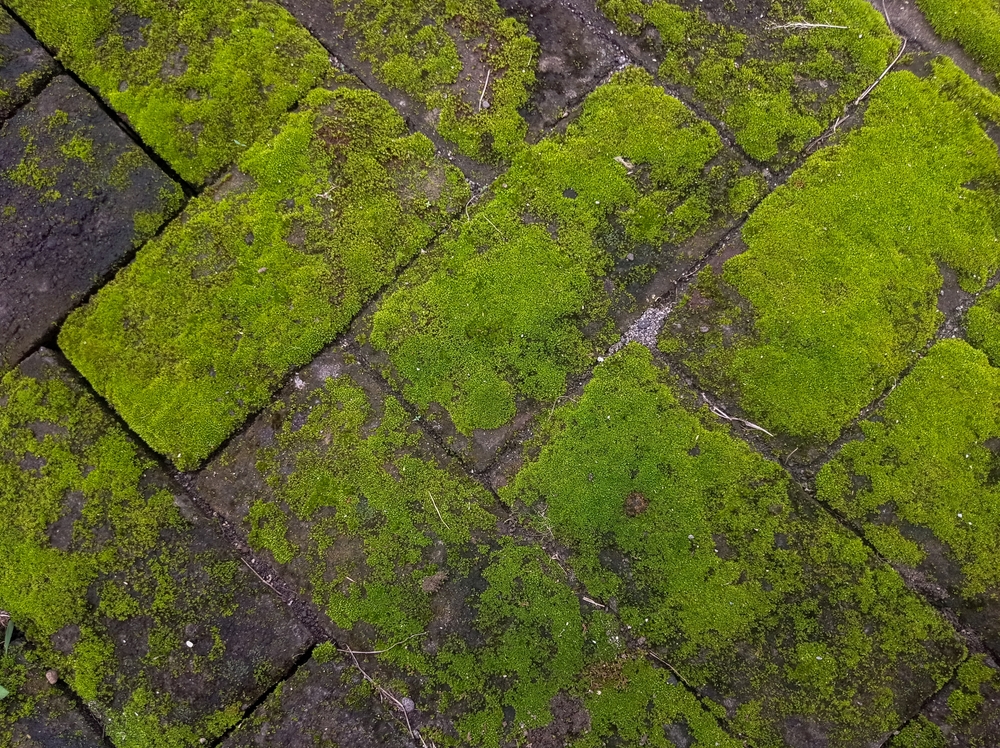
There’s no such thing as “just moss” when it shows up in a lawn. That soft, green carpet doesn’t arrive by accident, and it definitely doesn’t stick around for no reason. Moss shows up with a message, and it delivers that message loud and clear to anyone willing to look closely. It doesn’t shout like weeds or sprawl like invasive plants, but it quietly takes over space that grass fails to defend. That alone should raise some eyebrows.
A lawn covered in moss tells a story about what’s happening beneath the surface, and that story often points to deeper issues that grass simply can’t tolerate. While moss itself doesn’t destroy lawns, it thrives where grass struggles, and that contrast makes it impossible to ignore. Instead of treating moss like the villain, it helps to see it as a signal flare coming straight from the soil. Once that perspective clicks into place, everything about lawn care starts to shift in a smarter, more effective direction.
Moss Isn’t the Problem—It’s the Messenger
Moss doesn’t invade healthy lawns out of sheer determination. It settles into places where grass already struggles to survive, and it fills the gaps with surprising efficiency. That means the real issue doesn’t lie in the moss itself, but in the conditions that allow it to thrive while grass fades away. Many people rush to remove moss without asking why it appeared in the first place, and that approach usually leads to frustration when it returns. A lawn that supports strong grass growth naturally crowds out moss, so the presence of moss signals that something in the environment favors it instead.
Grass demands specific conditions to grow well, including proper sunlight, balanced soil, and consistent drainage. Moss, on the other hand, adapts to harsher conditions and happily grows where grass gives up. It tolerates compacted soil, thrives in shade, and doesn’t rely on deep roots to access nutrients. That adaptability gives moss a major advantage in struggling lawns. Instead of fighting moss directly, the smarter move involves improving the conditions that support grass. Once grass gains the upper hand, moss loses its foothold without needing aggressive removal methods.
The Shade Factor: When Sunlight Goes Missing
Grass loves sunlight, and it doesn’t hide that preference. Most turfgrass varieties need several hours of direct light each day to stay thick and vibrant. When trees, fences, or buildings block that sunlight, grass starts to thin out and weaken over time. Moss, however, embraces shade and grows comfortably in low-light conditions. That difference creates the perfect setup for moss to take over shaded areas where grass can’t compete.
Shady lawns often show patchy grass with thin blades and uneven coverage, and those gaps invite moss to move in quickly. The more shade a lawn receives, the more difficult it becomes for grass to recover. Pruning trees or trimming back overgrown shrubs can dramatically improve sunlight exposure and give grass a fighting chance. Choosing shade-tolerant grass varieties also helps strengthen those vulnerable areas. Without those adjustments, moss will continue to dominate, no matter how often it gets removed.

Soil Compaction: When Roots Can’t Breathe
Healthy soil should feel loose and full of life, allowing roots to spread and absorb nutrients easily. Compacted soil, however, creates a dense barrier that limits airflow, water movement, and root growth. Grass struggles in those conditions because its roots can’t expand or access what they need to survive. Moss, surprisingly, doesn’t rely on deep roots, which allows it to grow comfortably on compacted surfaces. That difference gives moss a huge advantage in heavily used lawns.
Foot traffic, heavy equipment, and even frequent mowing can compress soil over time. When soil compacts, water tends to sit on the surface instead of soaking in properly, and that creates even more stress for grass. Aerating the lawn helps break up that compacted layer and restores airflow to the soil. Once roots can breathe again, grass starts to recover and push back against moss growth. Without addressing compaction, any attempt to remove moss only treats the symptom instead of solving the real issue.
Drainage Drama: Too Much Water, Not Enough Balance
Grass prefers well-drained soil that holds moisture without becoming waterlogged. When water lingers for too long, grass roots struggle to function properly, and the entire plant weakens. Moss thrives in damp environments, which makes poor drainage one of the biggest contributors to moss growth. Areas that stay wet after rain or irrigation create ideal conditions for moss to spread quickly.
Poor drainage often results from compacted soil, uneven ground, or underlying clay layers that prevent water from moving freely. Fixing drainage issues might involve leveling low spots, improving soil structure, or adjusting watering habits. Overwatering can also create the same problems as poor drainage, so dialing back irrigation often makes a noticeable difference. Once the soil reaches a healthy balance, grass regains its strength and starts to outcompete moss naturally.
Soil pH: The Silent Influencer Beneath It All
Soil pH plays a huge role in determining which plants thrive and which ones struggle. Grass generally prefers slightly acidic to neutral soil, while moss tolerates more acidic conditions with ease. When soil becomes too acidic, grass loses its ability to absorb nutrients effectively, and that weakness opens the door for moss to take over. Many lawns with persistent moss problems reveal acidic soil as the underlying cause.
Testing soil pH provides a clear starting point for making improvements. If the soil leans too acidic, applying lime can help raise the pH and create a more favorable environment for grass. That adjustment doesn’t produce instant results, but it gradually shifts the balance back toward healthy turf growth. Ignoring soil pH often leads to repeated moss problems, no matter how many surface-level fixes get applied. A simple test can unlock one of the most important clues in lawn care.
Nutrient Deficiency: When Grass Can’t Keep Up
Grass needs a steady supply of nutrients to stay thick, green, and competitive. When soil lacks essential nutrients like nitrogen, grass weakens and leaves space for moss to move in. Moss doesn’t rely on the same nutrient levels, which allows it to thrive even in poor soil conditions. That imbalance gives moss an easy opportunity to spread across undernourished lawns.
Regular fertilization helps restore nutrient levels and supports stronger grass growth. Choosing the right fertilizer and applying it at the right time makes a noticeable difference in lawn health. Over time, healthy grass fills in bare spots and reduces the space available for moss. Skipping fertilization or applying it inconsistently often leads to ongoing struggles with moss. A well-fed lawn naturally resists moss without needing constant intervention.
Build a Lawn That Fights Back
Getting rid of moss requires more than a quick fix or a one-time treatment. A lawn that consistently supports strong grass growth will naturally keep moss in check without constant maintenance battles. That means focusing on sunlight, soil health, drainage, and proper care habits all at once. Each of those factors plays a role, and ignoring any one of them can allow moss to return.
Improving lawn conditions takes patience, but it delivers long-term results that make the effort worthwhile. Aerating, adjusting soil pH, improving drainage, and choosing the right grass type all work together to create a healthier environment. Once grass fills in thick and strong, moss struggles to find space to grow. Instead of chasing moss around the yard, building a resilient lawn turns the entire situation around. That shift in approach makes lawn care feel less like a battle and more like a strategy that actually works.
When Moss Talks, Are You Listening?
Moss doesn’t show up to ruin a lawn—it shows up to reveal what the lawn needs. Every patch of moss points to a specific issue, whether it involves shade, soil, water, or nutrients. Paying attention to those clues transforms frustration into a clear plan of action. Instead of reacting to moss, understanding it leads to smarter decisions that improve the entire yard.
What does the moss in your lawn say about your soil—and what steps will finally turn that message into a comeback story? We want to hear your opinions and stories in our comments.
You May Also Like…
March Lawn Care Mistakes That Cost Money
Why Your Lawn Thins After Winter (And Budget Ways to Fix It)
Homeowners Are Repurposing Cheap Lawn Ornaments in a Surprising New Way
Why Overseeding Too Late Can Backfire on Your Lawn
Why Stopping Lawn Care Too Early Could Invite Pests and Fungus

Brandon Marcus is a staff writer for FrugalGardening.com at District Media, Inc., where he delivers practical gardening advice with a relatable, no-nonsense style. An avid amateur gardener, he holds a BA degree and with over ten years of professional writing experience, he is also an award-winning published author whose first book, Questions For Deep Thinkers, was released by Adams Media. His work has appeared in major publications including Fandom.com, CHUD.com, TheColdWire.com, and Fansided.com.
Leave a Reply