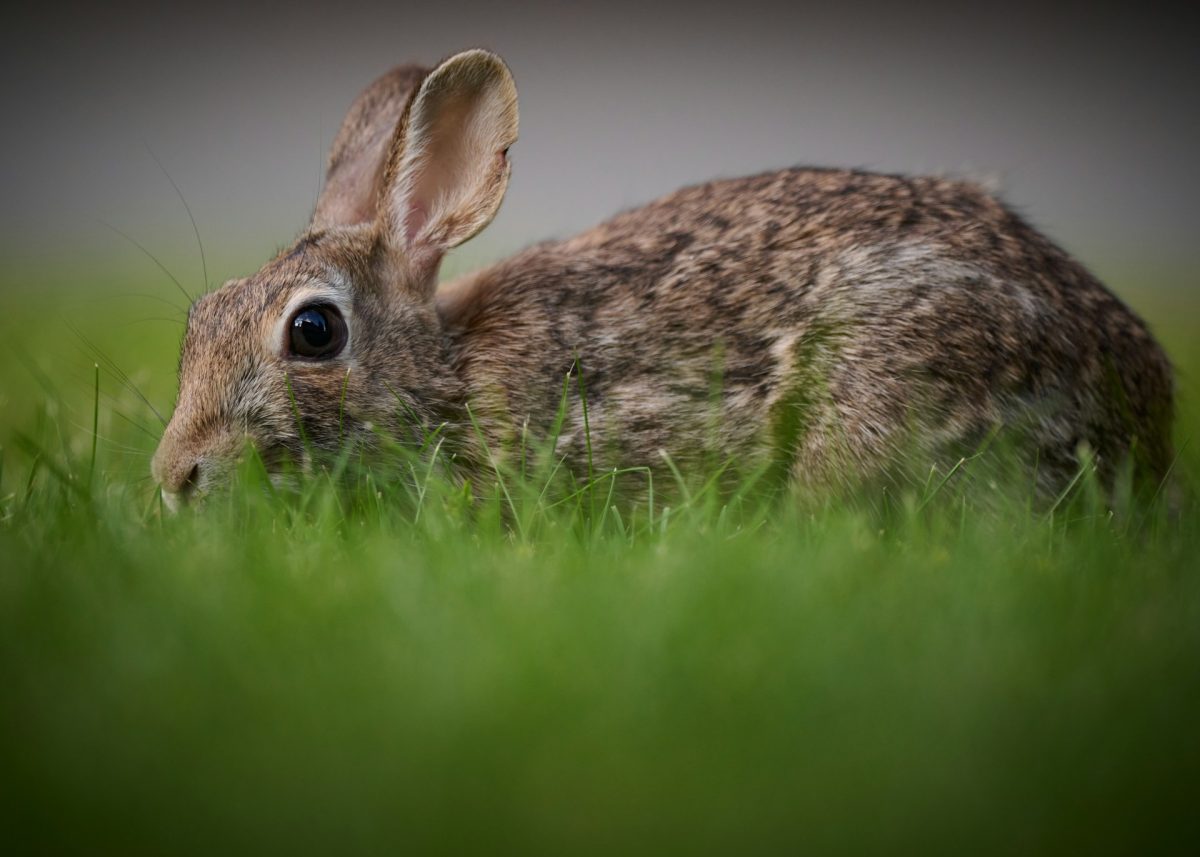
The garden does not belong to rabbits. That truth lands hard the moment tender lettuce leaves vanish overnight and freshly planted seedlings turn into a buffet. A thriving garden demands effort, planning, and patience, and nothing tests that patience quite like a rabbit with excellent taste and zero respect for boundaries. Anyone who invests time into growing food or flowers deserves solutions that actually work, not gimmicks that fade after the first rainstorm or clever tricks that fail by week two. This isn’t about waging war on wildlife—it’s about setting firm, effective limits that keep plants thriving and frustration low.
Rabbits may look harmless, but they operate with persistence, speed, and a strong instinct to return to reliable food sources. That combination turns a small issue into a full-blown garden crisis in no time. Fortunately, smart strategies can disrupt their routines, protect vulnerable plants, and shift the balance back in favor of the garden. These methods don’t rely on expensive fencing or complicated setups. They use scent, texture, layout, and a little bit of strategy to create a space rabbits simply don’t enjoy visiting.
1. Turn Your Garden Into a Scent Minefield
Rabbits rely heavily on their sense of smell, which opens the door to one of the simplest and most effective deterrent strategies available. Strong, unpleasant scents can push rabbits to look elsewhere for their next meal, especially when those smells suggest danger or discomfort. Gardeners often reach for natural repellents like garlic spray, vinegar solutions, or even diluted hot pepper mixtures, all of which create an environment that rabbits find deeply unappealing. These scents don’t harm the animals, but they disrupt their comfort enough to make the garden feel like a bad choice.
Consistency matters here more than intensity, because scents fade over time and weather conditions can weaken their effectiveness. A quick spray after rainfall or a weekly refresh keeps the barrier strong and reliable. Many gardeners also use predator scents, such as fox or coyote urine, which signal immediate danger to rabbits and trigger their instinct to stay away. That tactic taps into natural survival behavior rather than forcing a physical barrier, making it surprisingly powerful when used correctly. Placement plays a big role as well, so applying scents around the perimeter and near vulnerable plants creates a layered defense that works far better than random application.
2. Plant a Garden Rabbits Hate
Not every plant attracts rabbits, and that fact gives gardeners a serious advantage. Certain plants naturally repel rabbits due to their strong scents, bitter taste, or rough texture, and adding them to a garden can create a built-in deterrent system. Herbs like lavender, rosemary, and thyme not only look beautiful and smell incredible, but they also send rabbits searching for a less offensive meal elsewhere. Marigolds and onions offer similar protection, blending visual appeal with practical defense.
Strategic planting turns this idea into something even more powerful. Instead of scattering these plants randomly, placing them around the edges of a garden or near vulnerable crops creates a protective barrier that rabbits hesitate to cross. This method doesn’t eliminate the need for other strategies, but it significantly reduces the likelihood of damage. Mixing repellent plants with desirable ones can also confuse rabbits and disrupt their feeding patterns, which adds another layer of protection. Over time, this approach reshapes the garden into a space that looks inviting to humans but feels hostile to rabbits.
3. Mess With Their Comfort Zone Using Texture
Rabbits love soft, easy terrain, and they avoid surfaces that feel uncomfortable or unstable under their feet. That preference opens the door to a surprisingly simple deterrent: texture. Adding rough or uneven materials around plants can stop rabbits in their tracks, especially when those materials create an unpleasant walking experience. Mulch made from sharp wood chips, crushed gravel, or even pinecones can form a barrier that rabbits would rather not cross.
This strategy works best when it targets key entry points and vulnerable areas rather than covering the entire garden. A ring of rough mulch around young plants or newly planted beds can make a big difference without turning the garden into a construction zone. Some gardeners also use chicken wire laid flat on the soil surface, which allows plants to grow through while preventing rabbits from digging or settling comfortably. That solution blends practicality with effectiveness, especially for protecting delicate seedlings. Texture may not seem like a major factor at first glance, but it plays a huge role in how rabbits interact with a space, and shifting that interaction can dramatically reduce damage.
4. Disrupt Their Routine With Motion and Noise
Rabbits thrive on routine, and they return to safe, predictable food sources again and again. Breaking that routine can stop them from settling into a pattern, which makes motion and noise powerful tools in the fight for garden control. Simple additions like wind chimes, reflective objects, or motion-activated sprinklers can create an environment that feels unpredictable and unsafe. These elements don’t need to overwhelm the space; they just need to introduce enough variation to keep rabbits on edge.
Motion-activated devices offer one of the most effective solutions because they respond directly to rabbit activity. A sudden burst of water or a quick flash of movement can startle a rabbit and reinforce the idea that the garden isn’t a safe place to linger. Even low-tech options like hanging strips of aluminum foil or placing pinwheels around the garden can create enough movement to make a difference. Rotating these deterrents occasionally keeps rabbits from getting used to them, which ensures the strategy stays effective over time. A garden that never feels predictable becomes a garden rabbits avoid.
5. Eliminate Their Favorite Hiding Spots
Rabbits don’t just visit gardens—they settle near them. Dense shrubs, tall grass, and cluttered areas provide perfect hiding spots, allowing rabbits to stay close to a reliable food source without exposing themselves to danger. Removing those hiding spots can dramatically reduce rabbit activity because it forces them to travel farther and take greater risks. A clean, open garden space feels far less appealing to an animal that depends on quick escapes and secure cover.
Regular maintenance plays a key role in this strategy. Trimming overgrown areas, clearing debris, and keeping grass short removes the shelter rabbits rely on, which naturally pushes them away. This approach works especially well when combined with other deterrents, because it eliminates the safety net that might otherwise encourage rabbits to ignore minor discomforts. Garden layout also matters here, so arranging plants in a way that minimizes dense, low-visibility areas can further reduce the chances of rabbits settling in. When the environment stops supporting their habits, rabbits move on to easier options.
A Garden That Stays Yours
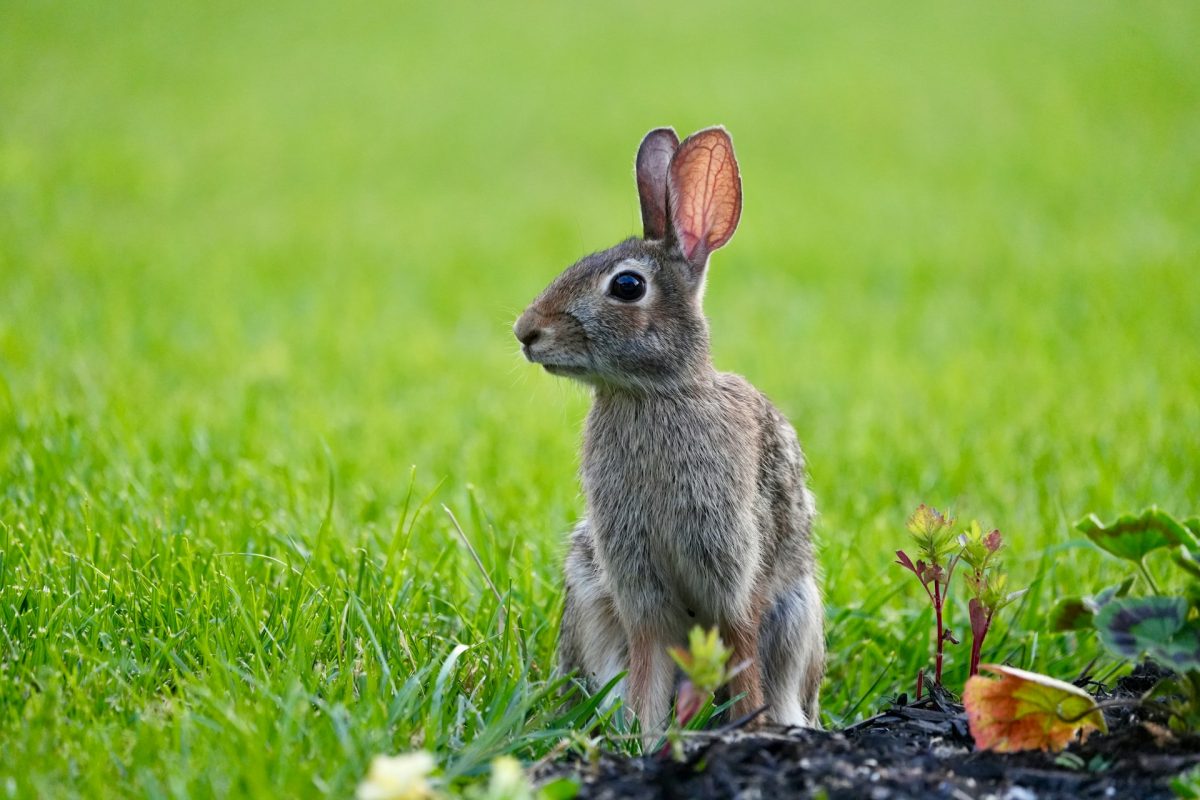
A thriving garden doesn’t need towering fences or complicated defenses to stay protected. Smart strategies that tap into rabbit behavior can shift the balance quickly and effectively, turning a vulnerable space into one that feels unwelcoming to unwanted visitors. Combining scent, plant choice, texture, movement, and maintenance creates a layered approach that works far better than relying on a single solution. Each method builds on the others, forming a system that keeps rabbits guessing and discourages repeat visits.
Which of these strategies feels like the easiest place to start, and what clever tricks have already proven successful in keeping rabbits away? Share those ideas and experiences in the comments and keep the conversation growing.
You May Also Like…
Why Some Gardens Attract More Pests
How to Protect Garden Borders From Pests
8 Winter Compost Additives That Speed Up Breakdown
A DIY Pest Spray That Costs Just Pennies
This One Winter Gardening Habit Could Be Spreading Invasive Pests Across the South

Brandon Marcus is a staff writer for FrugalGardening.com at District Media, Inc., where he delivers practical gardening advice with a relatable, no-nonsense style. An avid amateur gardener, he holds a BA degree and with over ten years of professional writing experience, he is also an award-winning published author whose first book, Questions For Deep Thinkers, was released by Adams Media. His work has appeared in major publications including Fandom.com, CHUD.com, TheColdWire.com, and Fansided.com.
Leave a Reply