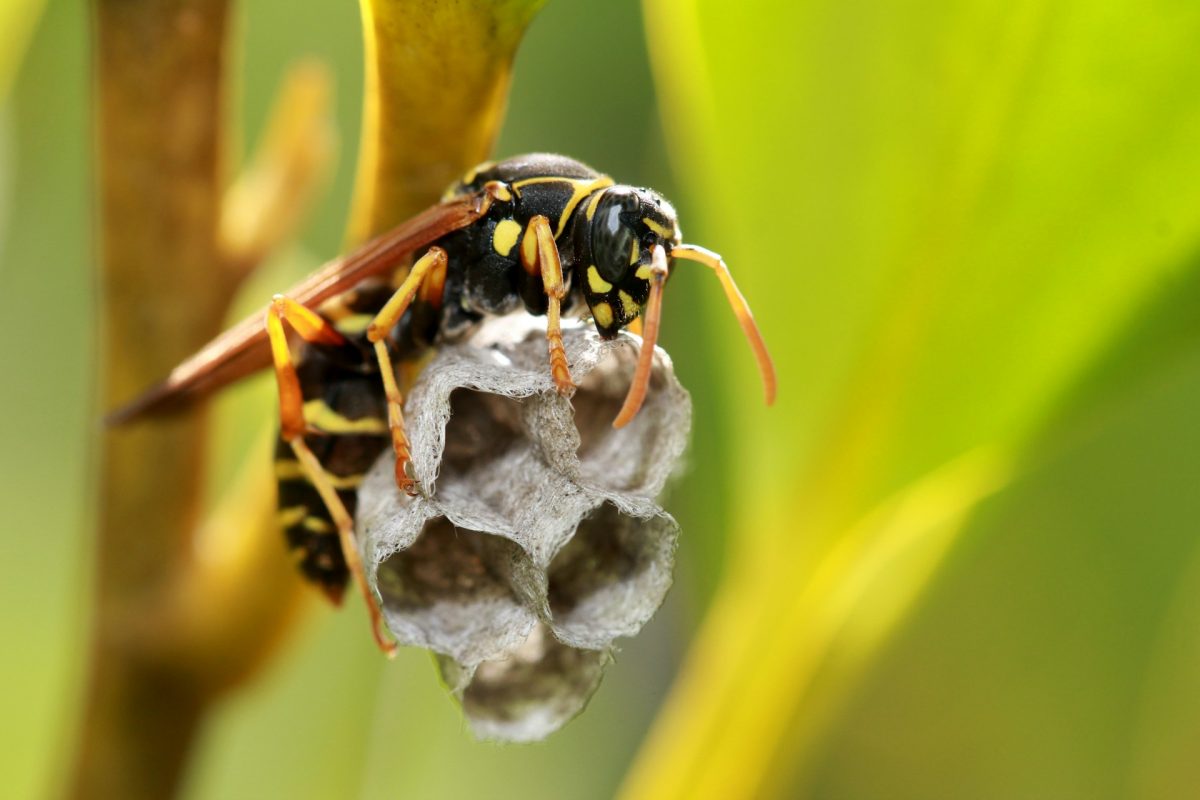
Garden shelves shine with bottles labeled natural, organic, or plant-based, and it feels comforting to grab one when aphids start treating roses like an all-you-can-eat buffet. The problem begins when marketing language sounds gentler than biology actually behaves, because nature does not automatically mean harmless. Experts keep raising concerns that some popular “natural” pest sprays can still disrupt insect nervous systems, reduce feeding behavior, or damage reproductive health in creatures that carry pollen from flower to flower.
The conversation about pollinator safety matters more now because global insect populations continue shifting downward in many regions. Even plant-derived substances can become problematic when used repeatedly or applied without respect for weather conditions.
Essential Oil Sprays Smell Nice but Can Confuse Tiny Navigators
Many homeowners enjoy pest sprays advertised as all-natural that use peppermint, citrus, or clove oils. They are popular because these products create pleasant scents while promising insect deterrence. The logic sounds beautiful: nature fighting nature using fragrant armor. Reality, however, behaves more complicatedly.
Essential oils work partly by irritating insect sensory receptors. For small pollinators trying to navigate floral landscapes using chemical signals, strong aromatic coatings may interfere with communication cues. Bees rely heavily on scent markers to locate food sources and return safely to nests. Overpowering environmental odors can disorient them temporarily.
The risk increases when gardeners spray directly onto blossoms instead of surrounding leaves. Flowers function as meeting points for insects and plants, so coating petals with strong volatile oils can discourage beneficial visitors. Experts suggest using essential oil sprays only on actively infested stems and never during peak pollination hours, which usually occur in warm daylight periods.
Home gardeners should also remember that essential oil concentration matters. Homemade mixtures sometimes become stronger than commercial formulations because people add extra drops believing more equals better protection. That approach often backfires because high concentrations increase insect irritation.
Weather, Timing, and Patience Matter More Than Product Labels
Smart pest management starts with observation rather than immediate spraying. Checking plant leaves every few days helps determine whether pest populations truly require intervention. Many small infestations disappear naturally when lady beetles, lacewings, or other predators arrive.
Wind speed and temperature also influence spray safety. High temperatures can cause oils to volatilize quickly, increasing airborne exposure. Wind can carry droplets toward flowering beds where bees work. Evening spraying, low wind conditions, and dry leaves create the safest practical environment.
Gardeners may feel tempted to spray at the first sign of a bug, but plants usually tolerate a small number of insects without suffering long-term damage. Nature often operates on thresholds rather than perfection.
What Experts Want Home Gardeners to Remember
Pollinator conservation groups repeatedly say that pest control should start with cultural practices before chemicals. Healthy soil, proper watering, and plant diversity naturally reduce pest outbreaks. Companion planting, physical removal of heavily infested leaves, and encouraging predator insects often work surprisingly well.
Leaving a few pest insects alive also supports ecological chains. Predators need prey, and gardens behave more like living neighborhoods than sterile showrooms. Over-sanitizing outdoor spaces sometimes removes the very species that protect plants.
The main message from environmental scientists stays simple: check labels carefully, apply sprays sparingly, and never treat flowering plants when pollinators actively visit. Natural products still deserve respect because chemical origin does not automatically equal ecological safety.
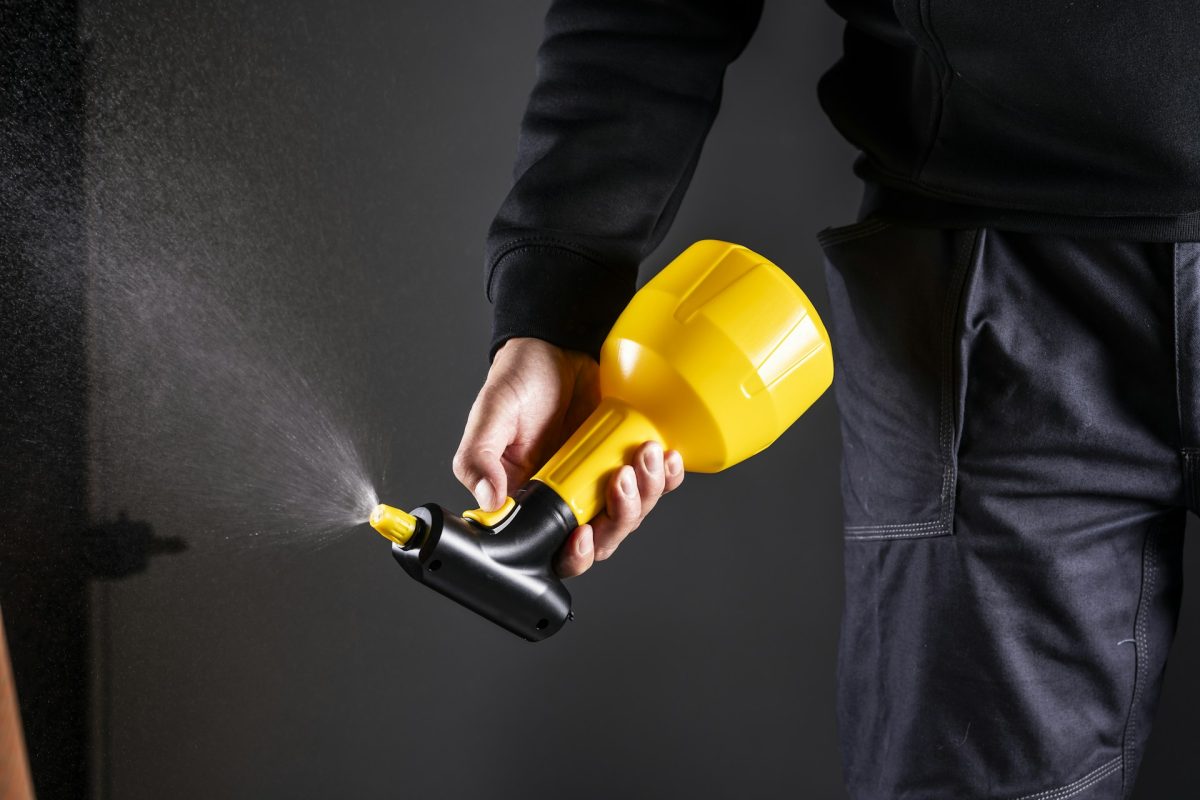
The Quiet Balance Between Protection and Life
Modern gardening walks a delicate line between defending crops and respecting the wild creatures sharing the space. Natural pest sprays offer helpful tools when used thoughtfully, but they do not replace observation, timing, and restraint. The most successful gardeners act more like ecosystem caretakers than battlefield commanders.
Flowers keep blooming when insects carry pollen across bright petals, and that invisible collaboration supports food systems, wild landscapes, and backyard beauty. The safest garden strategy sometimes involves waiting an extra day before spraying, watching who visits the blossoms, and asking whether intervention truly helps the plant.
How often do you check whether your garden spray might be affecting the buzzing visitors that keep your plants alive? We want to talk about it in our comments.
You May Also Like…
This One Winter Gardening Habit Could Be Spreading Invasive Pests Across the South
The Invisible Garden Toxin Experts Say Is Contaminating Your Home-Grown Food
How to Catch Hidden Pests Before They Invade Your Shed This Winter
6 Garden Pests That Hibernate in Your Soil

Brandon Marcus is a staff writer for FrugalGardening.com at District Media, Inc., where he delivers practical gardening advice with a relatable, no-nonsense style. An avid amateur gardener, he holds a BA degree and with over ten years of professional writing experience, he is also an award-winning published author whose first book, Questions For Deep Thinkers, was released by Adams Media. His work has appeared in major publications including Fandom.com, CHUD.com, TheColdWire.com, and Fansided.com.
Leave a Reply