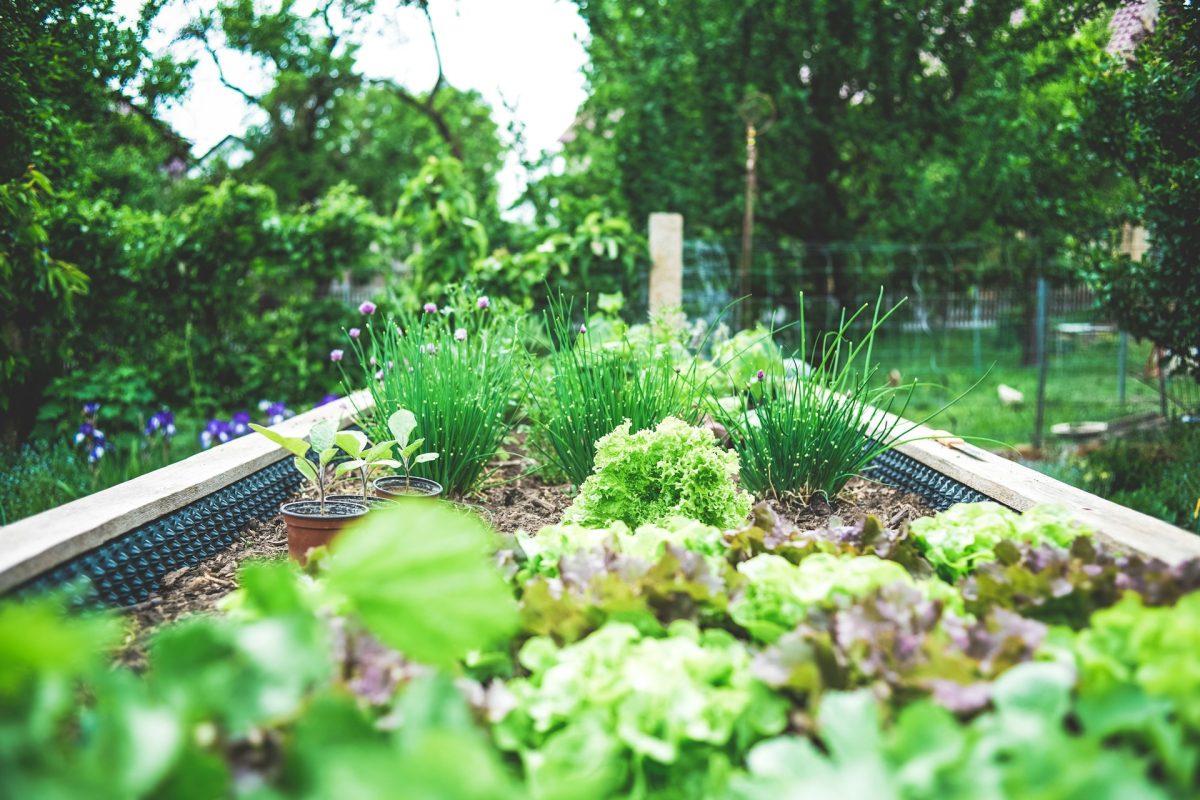
Raised beds don’t collapse on their own. Something causes the wood to bow, the soil to sour, and the tomatoes to stall out midseason. And in gardens across the South, that culprit often costs less than a fast-food lunch.
Walk through any big-box hardware store in spring and stacks of black landscape fabric promise easy weed control and low-maintenance beds. The packaging sells a dream: fewer weeds, better drainage, long-lasting performance. For about five dollars a roll, it sounds like common sense. But in hot, humid Southern climates, that thin sheet of woven plastic often creates more problems than it solves. Raised beds thrive on airflow, drainage, and living soil. Landscape fabric interferes with all three.
The Plastic Barrier That Traps Heat and Water
Southern summers do not play around. In states like Texas, Georgia, and Alabama, raised beds bake under relentless sun and soak up torrential downpours that can dump inches of rain in a single afternoon. Gardeners often lay cheap landscape fabric along the bottom of a raised bed to block weeds from growing up through the soil. That move sounds practical, but it changes how water and heat move through the bed.
Landscape fabric does not breathe the way soil does. It slows drainage, especially after heavy rain, because it creates a physical barrier between the raised bed soil and the native ground below. When rain falls hard and fast, water should move downward and disperse. Instead, it can pool above the fabric layer, leaving roots sitting in saturated soil for too long. Many vegetables, including tomatoes and peppers, hate wet feet. Prolonged soggy conditions invite root rot and fungal disease.
Heat adds another layer of stress. Black fabric absorbs and holds heat, and in a raised bed that already sits above ground level, temperatures can spike quickly. Soil microbes, which help break down organic matter and feed plant roots, struggle when soil temperatures climb too high. Instead of supporting a vibrant ecosystem underground, that five-dollar sheet creates a shallow oven.
Soil Is Alive, and Fabric Chokes It
Healthy soil contains billions of organisms in a single handful. Earthworms tunnel through it, fungi form networks that connect plant roots, and beneficial bacteria cycle nutrients into usable forms. Raised beds work so well because gardeners can build rich, loose soil that encourages that activity.
Landscape fabric interrupts that system. When gardeners line the bottom of a bed with fabric, they cut off the natural exchange between the raised soil and the ground below. Earthworms cannot move freely between layers. Microbial communities lose contact with the broader soil web. Over time, the soil above the fabric can become compacted and less biologically active.
Organic matter also behaves differently in a sealed environment. As compost breaks down, it shrinks. In a bed without fabric, roots can extend deeper into native soil as the top layer settles. Fabric blocks that path. Roots circle within the confined space, and the soil level drops each season without any real integration into the ground below. Gardeners then add more soil year after year, never addressing the underlying restriction.
The Weed Problem That Never Truly Disappears
Landscape fabric does not eliminate weeds in raised beds. It simply shifts where they grow. Weed seeds blow in from nearby lawns, trees, and neighboring lots. Birds drop seeds from above. Wind carries them across fences and into beds. Those seeds land on top of the soil, not underneath it.
Once a thin layer of compost or mulch accumulates above the fabric, weeds sprout right there in that surface layer. Their roots grow through the fabric’s tiny perforations and anchor into the soil below. At that point, pulling them becomes harder because roots tangle with the woven material. Instead of sliding out cleanly, weeds tear and leave fragments behind.
Over time, landscape fabric also degrades. Sunlight, moisture, and physical stress break down the fibers. Small plastic fragments can mix into the soil. While research continues on the long-term impact of microplastics in garden soils, no gardener aims to add synthetic debris to a vegetable bed intentionally. A short-term weed barrier can turn into a long-term cleanup problem.
What Works Better in Southern Raised Beds
Gardeners who want weed control without sacrificing soil health have better options. Many experts recommend laying down plain cardboard or several layers of newspaper at the bottom of a new raised bed instead of landscape fabric. Cardboard blocks weeds temporarily but decomposes over time, allowing roots and soil organisms to move freely. It suppresses existing grass and weeds during the initial season without creating a permanent barrier.
Thick organic mulch on top of the soil also reduces weed pressure. Straw, shredded leaves, or untreated wood chips can shade the soil surface and limit seed germination. Unlike fabric, organic mulch breaks down and feeds the soil as it decomposes. It supports earthworms and improves structure rather than isolating the bed from its environment.
Regular maintenance matters more than any barrier. Quick, consistent hand-weeding prevents small problems from becoming overwhelming. A sharp hoe used carefully on the surface can slice off young weeds before they establish deep roots. That approach demands a bit of attention throughout the season, but it protects the long-term health of the bed.
The Real Cost of a Cheap Fix
Five dollars sounds harmless, especially during spring when seed packets, transplants, and soil amendments already stretch the budget. Yet landscape fabric often creates hidden costs. Gardeners may need to replace warped boards sooner than expected. They may buy additional soil to compensate for compaction and settling. They may fight recurring drainage issues that reduce harvest yields.
Raised beds should simplify gardening, not complicate it. The goal involves creating a controlled, fertile environment that encourages strong root systems and steady growth. Any product that interferes with drainage, soil life, and natural processes undermines that goal.
Southern climates demand flexibility. Intense rain, high humidity, and long growing seasons challenge materials that might perform adequately in cooler, drier regions. A solution that works in one climate does not automatically translate to another. Gardeners across the South continue to discover that landscape fabric falls short under their specific conditions.
Beds That Last
Raised beds succeed when they connect to the living soil beneath them, drain freely after storms, and support an active ecosystem underground. Landscape fabric interrupts those fundamentals, even though it promises convenience. A short-term weed barrier can lead to long-term structural and soil problems.
Cardboard, mulch, and steady maintenance offer more sustainable control without sealing off the bed. Thoughtful material choices at the beginning can extend the life of the frame and improve harvests season after season. Raised beds represent an investment in time, effort, and food on the table, and they deserve more than a quick plastic fix.
What changes have made the biggest difference in the performance of raised beds in Southern gardens? We want to hear about it in our comments section.
You May Also Like…
Why Gardeners in Texas Are Losing Entire Beds to This Soil-Borne Fungus
Gardeners Warned: This Common Winter Cleanup Habit Is Spreading Fungal Disease in Raised Beds
Are Raised Beds Worth the Investment for Small Gardens?
10 Ways to Keep Squirrels From Digging Up Your Beds
7 Mistakes That Are Killing Your Raised Beds Before Spring Even Starts

Brandon Marcus is a staff writer for FrugalGardening.com at District Media, Inc., where he delivers practical gardening advice with a relatable, no-nonsense style. An avid amateur gardener, he holds a BA degree and with over ten years of professional writing experience, he is also an award-winning published author whose first book, Questions For Deep Thinkers, was released by Adams Media. His work has appeared in major publications including Fandom.com, CHUD.com, TheColdWire.com, and Fansided.com.
Leave a Reply