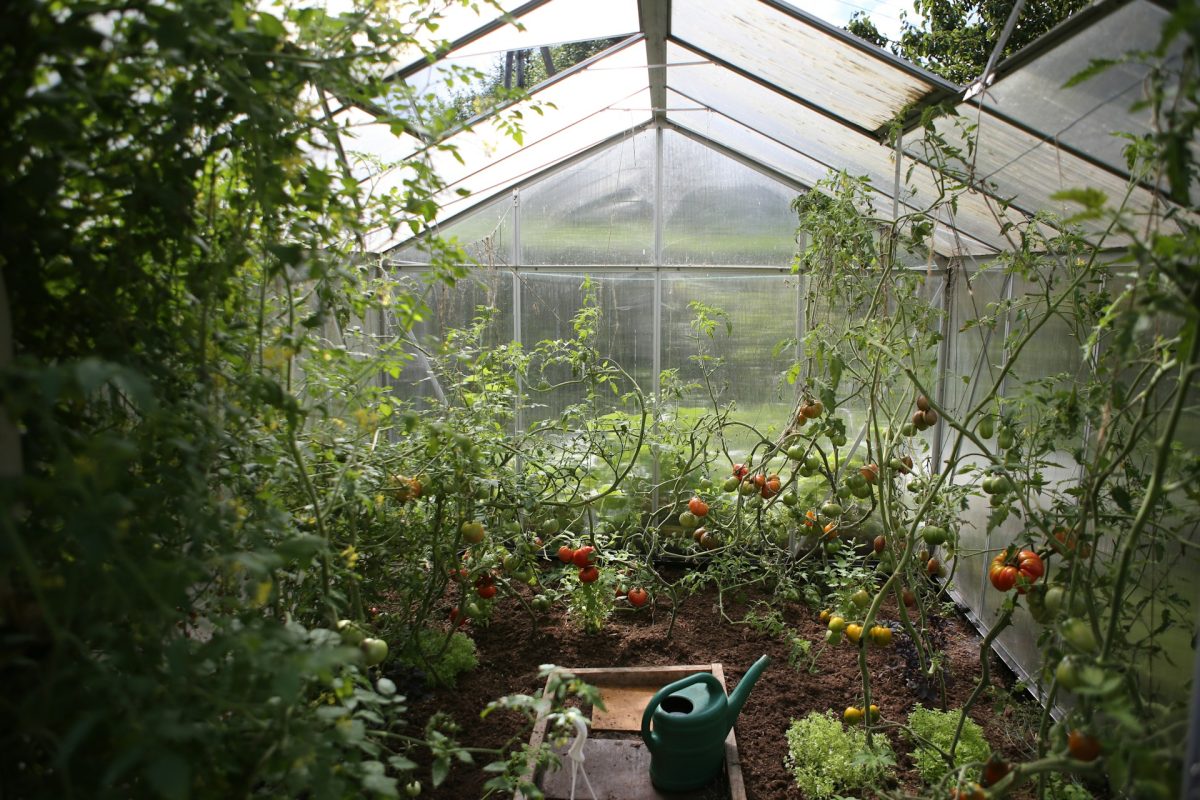
Across the country, fire marshals continue to flag one setup that shows up again and again in post-fire investigations: small greenhouses packed with portable electric heaters, daisy-chained extension cords, and high-wattage grow lights all running at once. Gardeners chase warmth and light for their plants, but many overlook the simple math of electricity and the unforgiving nature of heat in tight, plastic-lined spaces. The result can escalate quickly from cozy to catastrophic.
Greenhouses do not forgive shortcuts. They trap heat, moisture, and electricity in close quarters. When someone plugs a powerful heater into a lightweight extension cord and tucks it beneath a bench full of dry pots and seed trays, that combination creates exactly the kind of environment that fire professionals warn about year after year.
The Heater-and-Extension-Cord Trap
Portable electric heaters top the list of fire concerns in small structures, and greenhouses intensify that risk. Most space heaters draw between 1,200 and 1,500 watts, which pushes the limits of a standard 15-amp household circuit. When someone adds grow lights, a fan, or a seedling heat mat to the same circuit, that load can exceed what the wiring safely supports. Wires heat up under strain, and when insulation degrades or connections loosen, sparks can follow.
Many gardeners rely on extension cords to bridge the gap between the house and the greenhouse. Fire marshals routinely warn against using lightweight indoor extension cords for high-wattage appliances. These cords often cannot handle sustained heavy loads, especially in cold weather when plastic insulation stiffens and cracks more easily. When cords run under rugs, through door frames, or across damp soil, they face additional wear that increases the chance of arcing or overheating.
A heater placed too close to plastic walls, shade cloth, cardboard boxes, or stacks of peat pots compounds the danger. Most manufacturers require at least three feet of clearance around portable heaters, yet greenhouse layouts rarely provide that space. One tipped heater or one frayed cord can ignite nearby materials within minutes.
Plastic Walls, Dry Debris, and a Perfect Storm
Many backyard greenhouses rely on polyethylene film or polycarbonate panels. These materials offer excellent light transmission and insulation, but they can burn and melt when exposed to sustained heat. Once a fire starts, the plastic can drip molten material, which spreads flames quickly and intensifies the situation.
Gardeners often store extra pots, seed trays, cardboard boxes, and bags of soil or fertilizer inside the greenhouse. Dry plant debris accumulates under benches and along corners. That clutter fuels a fire and gives it places to spread. Even though greenhouses feel humid, many materials inside them dry out, especially near heaters and lights.
Fire marshals frequently stress that structure fires accelerate when combustible materials sit close together. In a greenhouse, narrow aisles and crowded shelving create exactly that scenario. Flames can travel from a heater to a bench, from a bench to a wall, and from there to nearby fences or even the home itself if the greenhouse sits too close.
Grow Lights and Overloaded Circuits
Grow lights help plants thrive in winter, but they add another layer of electrical demand. High-intensity discharge lights, older metal halide systems, and even some high-powered LED setups draw significant wattage. When someone strings multiple lights along one power strip, that strip can overheat long before a circuit breaker trips.
Power strips with surge protection do not magically increase capacity. They only distribute electricity; they do not reduce the total load. Fire marshals often find melted power strips and scorched outlets after greenhouse fires. Those signs point to sustained overloading rather than sudden accidents.
Moisture adds even more risk. Greenhouses generate humidity from watering and transpiration. Water and electricity do not mix well. Outlets without ground-fault circuit interrupter protection leave users vulnerable to shock and increase the chance of electrical faults.
Propane and Kerosene Heaters: A Different Set of Dangers
Some gardeners choose propane or kerosene heaters to avoid heavy electrical loads. These options carry their own hazards. Open-flame or unvented combustion heaters produce carbon monoxide, a colorless, odorless gas that can build up in enclosed spaces. Even in a greenhouse, partial enclosure and limited airflow can allow dangerous concentrations to form.
Improperly stored fuel adds another concern. Gas cans kept inside the greenhouse increase fire intensity if ignition occurs. Leaking fittings or poorly maintained heaters can ignite nearby materials. Fire officials consistently advise using only heaters rated for indoor or enclosed use and ensuring proper ventilation according to manufacturer guidelines.
Carbon monoxide alarms and regular equipment inspections should not feel optional in any structure that uses fuel-burning heaters. Gardeners who prioritize plant health must also protect their own safety and the safety of nearby structures.
Smarter Ways to Heat a Greenhouse
Safety does not require giving up year-round growing. It requires thoughtful planning and a refusal to cut corners. One of the safest approaches involves installing a dedicated electrical circuit from the home to the greenhouse, sized to handle the expected load. A licensed electrician can calculate capacity and install weatherproof outlets with GFCI protection. That investment costs far less than repairing fire damage.
Instead of relying on small portable heaters, gardeners can consider greenhouse-specific electric heaters with built-in thermostats and tip-over protection. These units often mount securely and distribute heat more evenly. Proper clearance around any heat source remains essential, and mounting heaters away from plastic walls and combustible storage areas reduces risk significantly.
Keeping cords short, heavy-duty, and rated for outdoor use prevents many problems. Avoiding daisy-chained power strips and plugging high-wattage devices directly into properly rated outlets eliminates common failure points. Routine inspections of cords, plugs, and outlets catch wear before it turns into danger.
Your Greenhouse Deserves Attention
A greenhouse should nurture growth, not invite disaster. Fire marshals continue to highlight overloaded heaters, improper extension cords, and crowded electrical setups as major risks because they see the consequences firsthand. Electricity follows clear rules, and heat demands respect. When gardeners plan carefully, install proper wiring, maintain safe clearances, and keep clutter under control, they protect not only their plants but also their homes and families.
A thriving winter garden feels deeply satisfying, especially when frost covers everything else. That satisfaction grows even stronger when it rests on a foundation of safety and smart design.
What changes will make the current greenhouse setup safer before the next cold snap arrives? Let’s talk about safety below.
You May Also Like…
6 Items Experts Say You Should Never Store in a Greenhouse
Experts Say These Indoor Greenhouses Are Failing Seedlings in Cold Snaps
When Should You Start Building Your Greenhouse for Next Season?
Greenhouse Secrets: How to Turn a Drafty Shed Into a Cozy Plant Haven
This Viral Gardening Hack Is Quietly Killing Plants — And Costing You More

Brandon Marcus is a staff writer for FrugalGardening.com at District Media, Inc., where he delivers practical gardening advice with a relatable, no-nonsense style. An avid amateur gardener, he holds a BA degree and with over ten years of professional writing experience, he is also an award-winning published author whose first book, Questions For Deep Thinkers, was released by Adams Media. His work has appeared in major publications including Fandom.com, CHUD.com, TheColdWire.com, and Fansided.com.
Leave a Reply