Garden aisles are designed to make everything look like a shortcut to a bigger harvest and a prettier yard. A clever label promises fewer weeds, richer soil, and “set it and forget it” results, which sounds perfect when you’re busy and your plants are struggling. The problem is that many garden purchases solve the wrong problem, or they work only in very specific conditions that don’t match most home gardens. If you’re trying to garden on a budget, the goal isn’t to avoid spending altogether, it’s to spend on things you’ll use for years. This list will help you spot the most common money traps and swap them for simpler, cheaper moves that work better. Keep it handy the next time you feel tempted by a shiny display.
1. “As Seen On TV” Hose Nozzles With 12 Modes
These nozzles look tough, but many crack, leak, or jam after a season of sun and grit. Most gardeners use the same two settings every time, so the extra modes don’t add real value. A simpler nozzle with solid seals and a comfortable grip lasts longer and costs less over time. If you need different watering styles, a basic wand plus a single reliable nozzle usually covers everything. When you buy fewer, sturdier garden purchases, you replace parts less often and water with less frustration.
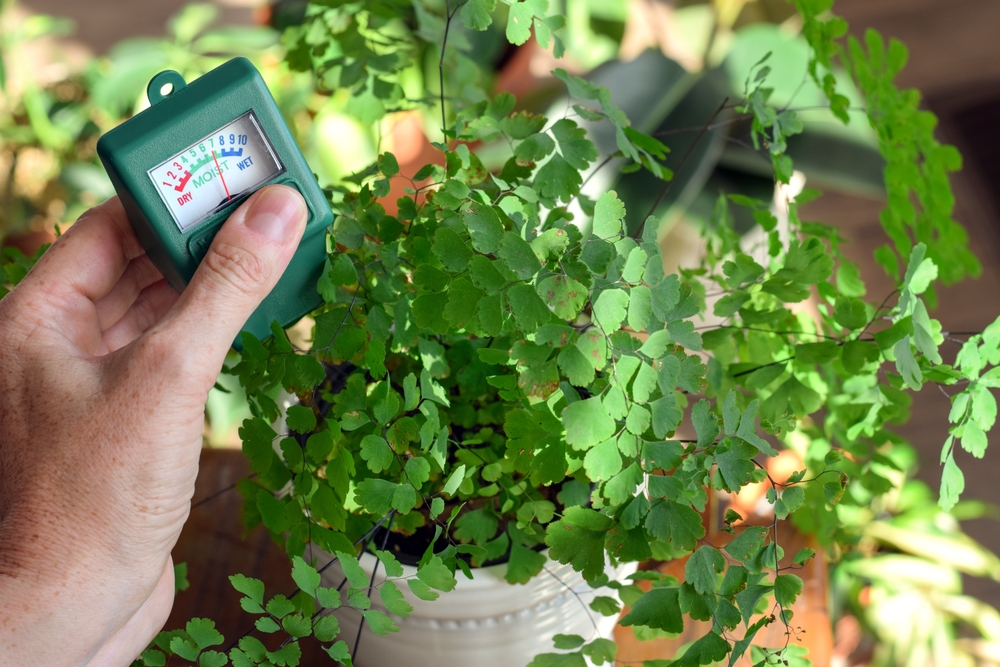
2. Fancy Moisture Meters For Every Pot
Moisture meters sound like a foolproof solution, but cheap ones are often inaccurate and confusing. They can push you to water when the root zone is already damp, which leads to more plant loss, not less. Your finger and a quick lift-test on lightweight pots usually give better information with no batteries required. If you want a tool, invest in one good meter for troubleshooting, not a pile of them for every container. This is one of those garden purchases that feels “smart” but doesn’t beat a simple habit.
3. Pre-Mixed “Garden Soil” For Containers
Many bags labeled “garden soil” are too heavy for containers and can compact into a soggy mess. That leads to slow growth, fungus gnats, and roots that can’t breathe well. For pots, a quality potting mix or a simple DIY blend works better and often costs about the same when you compare results. If you already bought a heavy bag, cut it with potting mix and compost instead of tossing it. The best garden purchases are the ones that match the job, and soil labels don’t always do that.
4. Single-Use Plastic Plant Supports
Those cheap green stakes and cages can look convenient, but they bend fast and end up as clutter in the garage. They’re also easy to lose, so you buy more the next season without noticing the leak in your budget. For many plants, string, twine, bamboo, or even pruned branches can support growth just as well. If you prefer cages, buy fewer, stronger ones that you’ll keep for years. Durable garden purchases beat disposable ones almost every time.
5. Bug-Zapping Garden Gadgets
Solar bug zappers and ultrasonic pest devices promise big results with no effort, but they rarely target the insects you actually want to control. Some zappers kill beneficial insects that help your garden more than they hurt it. A better approach is identifying the specific pest, then using the least aggressive fix that works, like handpicking, netting, or targeted sprays. You’ll spend less and avoid creating new problems. If a gadget sounds like it fixes every pest at once, it’s usually one of the purchases that disappoints.
6. “Weed Barrier Fabric” Under Mulch
Weed fabric seems like a permanent solution, but it often causes more work later. Soil and mulch break down on top, weeds root into that layer, and now you’re pulling weeds through a net. It can also block water and air movement in ways that stress plants over time. A thick organic mulch layer and regular edge maintenance usually works better and improves soil as it breaks down. This is one of the garden purchases that sounds tidy but ages badly.
7. Ultra-Expensive Fertilizer For General Use
Premium fertilizer blends can be fine, but many home gardens don’t need a fancy formula for everything. Over-fertilizing can create weak growth, more pests, and wasted money. Compost, slow-release basics, and targeted feeding based on plant needs usually gets better results. If you want to spend, buy one balanced fertilizer you understand and use it correctly. The smartest garden purchases are boring, consistent, and used up on purpose.
8. Seed Starting Kits With Tiny Peat Pellets
These kits look beginner-friendly, but peat pellets dry out fast and stay too wet in the center, depending on your setup. They also produce tiny root balls that can stall when you transplant into bigger pots. You can start seeds in reused containers with drainage holes and a simple seed-starting mix for less money. If you like the kit for organization, reuse the tray and skip the pellets next time. Lots of garden purchases are really packaging, not performance.
9. Decorative Planters With No Drainage
A cute pot without drainage holes is a plant-killer hiding in plain sight. Water collects at the bottom, roots suffocate, and you end up replacing the plant and blaming yourself. You can still use decorative pots, but treat them as cachepots and keep plants in a drained nursery pot inside. That way you can water, drain, and protect surfaces without drowning roots. This is the kind of “nice looking” item that becomes one of the most expensive garden purchases after a few replacement plants.
10. Cheap “Compost Accelerators” And Miracle Powders
Compost accelerators promise quick breakdown, but most piles need the basics: the right mix of greens and browns, enough moisture, and airflow. Miracle powders can’t fix a pile that’s too wet, too dry, or packed tight. You’ll get faster progress by chopping materials smaller, turning the pile, and balancing ingredients. If you want a boost, finished compost or a shovel of healthy soil already contains microbes that do the job. Skip the hype and put that money toward purchases you’ll actually notice.
The Budget Rule That Keeps Your Garden Purchases Honest
Before you buy, pause and ask what problem you’re solving and whether a simpler habit could solve it first. If you can’t picture exactly when you’ll use it, where you’ll store it, and how it saves time or money, it’s probably not worth it. Focus your budget on fundamentals that improve results across the whole garden, like quality soil, reliable watering tools, and long-lasting hand tools. When you spend less on gimmicks, you free up cash for plants, compost, and replacements that matter. A frugal garden doesn’t look “cheap,” it looks intentional.
Which of these have you bought before, and what garden purchase turned out to be the biggest waste for you?
What to Read Next…
Gardeners Are Switching to Fewer Varieties to Cut Costs
Is Buying Soil in Bulk Always the Cheaper Option?
10 Flowers That Attract Pollinators Without Extra Spending
Why Some States Are Cracking Down on Rain Barrels Again
Gardeners Are Buying Seeds Earlier to Avoid Spring Shortages

Catherine is a tech-savvy writer who has focused on the personal finance space for more than eight years. She has a Bachelor’s in Information Technology and enjoys showcasing how tech can simplify everyday personal finance tasks like budgeting, spending tracking, and planning for the future. Additionally, she’s explored the ins and outs of the world of side hustles and loves to share what she’s learned along the way. When she’s not working, you can find her relaxing at home in the Pacific Northwest with her two cats or enjoying a cup of coffee at her neighborhood cafe.
Leave a Reply