Gardening is an adventure, and nothing is more thrilling than watching tiny plants you planted on a whim grow into stunning perennials that brighten your yard year after year. The best part? You don’t need to spend a fortune to create a garden that looks like it belongs in a magazine. By choosing the right early-planted perennials, you can enjoy lush blooms, vibrant foliage, and long-lasting beauty while keeping your wallet happy.
Early planting gives these hardy plants a head start, helping them establish strong roots before the heat of summer or unexpected late frosts. So grab your gloves, roll up your sleeves, and get ready to uncover six perennials that are both budget-friendly and incredibly rewarding.
1. Black-Eyed Susans Bring Sunshine and Durability
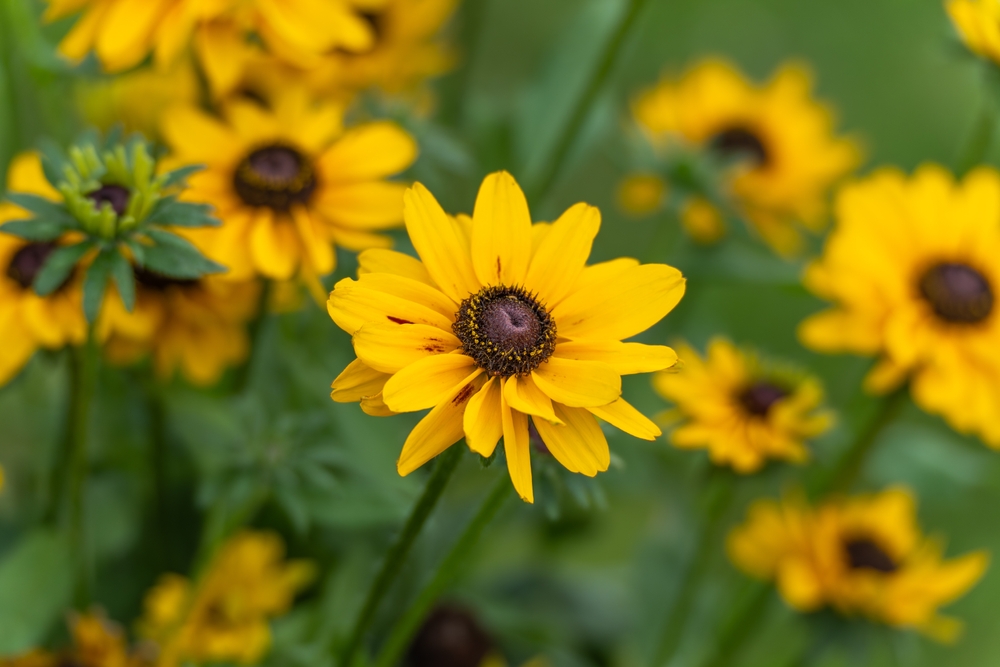
Black-eyed Susans are the cheerful warriors of any garden, boasting bright yellow petals with dark centers that practically scream “summer is here.” They are extremely low-maintenance and can thrive in poor soil conditions, making them ideal for budget-conscious gardeners. Planting early allows their roots to spread, ensuring that when summer arrives, they bloom prolifically and resist wilting. These hardy perennials also attract pollinators like bees and butterflies, giving your garden an instant boost in natural activity. With a few seeds or small plants, you can create a sunny border that costs almost nothing but brings endless joy.
2. Coneflowers Deliver Color and Resilience
Echinacea, or coneflowers, are robust, easy-to-grow perennials that reward early planting with striking, long-lasting blooms. These flowers come in shades ranging from soft pink to deep purple, adding a pop of color that complements almost any garden design. Their thick taproots thrive when given early access to soil, making them more drought-tolerant and sturdy against wind and pests. Beyond beauty, coneflowers are renowned for their medicinal properties, and their seeds attract birds in the fall, turning your garden into a lively wildlife haven. Affordable and resilient, coneflowers are a must-have for gardeners who want style and substance without breaking the bank.
3. Daylilies Offer Endless Blooms for Minimal Cost
Daylilies are the definition of “plant it once, enjoy it forever.” Plant them early, and they quickly establish themselves, producing multiple waves of colorful flowers throughout the growing season. These perennials are almost indestructible, tolerating heat, drought, and a variety of soil types while requiring minimal attention. Because they spread through underground rhizomes, a single small plant can eventually cover a large area, saving you money on buying more. Their vibrant blooms and easygoing nature make daylilies perfect for anyone looking to create a lush garden with minimal effort and expense.
4. Hostas Provide Lush Foliage With Little Fuss
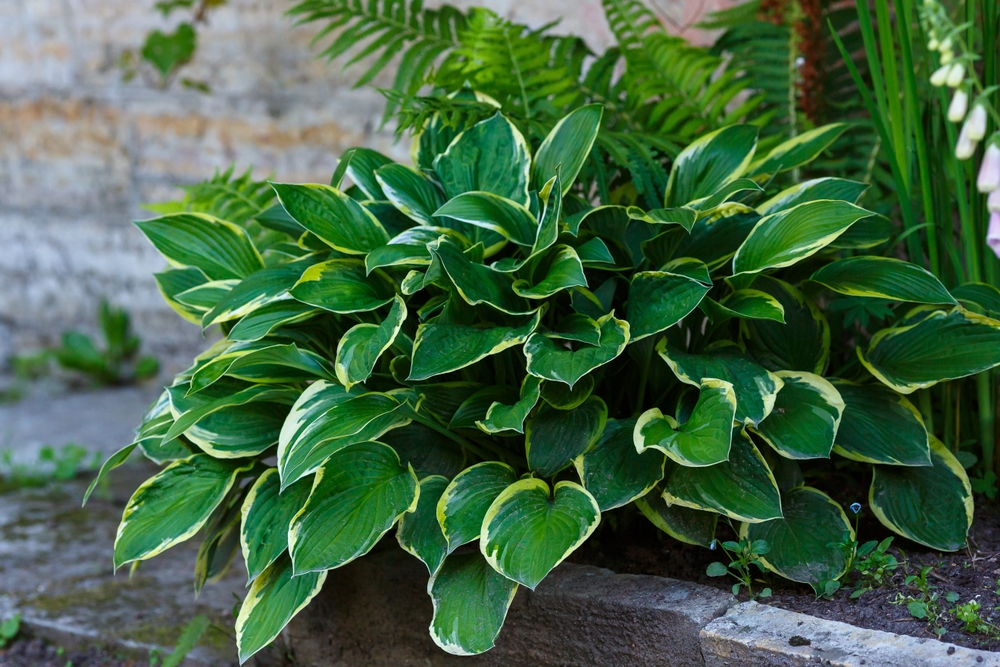
If you want texture, drama, and greenery that lasts from spring to fall, hostas are the perennial for you. Planting them early gives their roots a strong start, allowing them to grow larger and more vigorous than late-season transplants. Hostas thrive in shady spots, so they are perfect for gardens where other flowers struggle to bloom. Their leaves come in a variety of colors, from deep green to silver-blue, adding visual interest without the need for expensive flowers. Even better, once established, hostas require very little maintenance, making them an ideal budget-friendly choice for effortless beauty.
5. Sedum Adds Drought-Tolerant Charm
Sedums, or stonecrops, are hardy succulents that flourish in early-planted conditions, especially in sunny, well-drained spots. They develop strong roots in spring, allowing their clusters of star-shaped flowers to burst forth in late summer and attract pollinators. Sedum is exceptionally low-maintenance, requiring minimal watering and thriving in poor soils that would challenge other plants. They also make excellent fillers for borders, rock gardens, or containers, stretching your gardening dollar further. The combination of affordability, durability, and beauty makes sedum a smart choice for gardeners eager to get a head start.
6. Coral Bells Add Colorful Foliage and Versatility
Heucheras, commonly known as coral bells, are perennial showstoppers that thrive when planted early in the season. Their foliage comes in a dazzling range of colors, including deep purples, fiery reds, and bright lime greens, instantly elevating the visual appeal of any garden. Early planting allows them to establish strong roots, so they are more resilient to heat, pests, and drought later on.
Coral bells can be grown in both sunny and partially shaded areas, giving you flexible design options without buying multiple types of plants. Low-maintenance and visually striking, these perennials are a fantastic way to enjoy year-round garden style on a budget.
Start Early, Save Big, Enjoy Abundantly
Gardening doesn’t have to be expensive or complicated. By planting perennials early, you give them the best chance to thrive while keeping costs low, creating a lush and colorful garden that feels anything but cheap. From cheerful Black-eyed Susans to versatile Coral Bells, these six budget-friendly perennials prove that a small investment and a little timing can deliver big rewards. Your garden will flourish, wildlife will benefit, and your wallet will thank you.
Let us know your experiences, tips, or favorite early-planted perennials in the comments section below.
You May Also Like…
14 Blooming Perennials That Return Stronger Every January
The Perennials You Should Split and Move Right Now
8 Perennials That Should Always Be Cut Back Now
How to Safely Move Perennials Before the Ground Freezes
How to Save Money Buying Fall Perennials

Brandon Marcus is a staff writer for FrugalGardening.com at District Media, Inc., where he delivers practical gardening advice with a relatable, no-nonsense style. An avid amateur gardener, he holds a BA degree and with over ten years of professional writing experience, he is also an award-winning published author whose first book, Questions For Deep Thinkers, was released by Adams Media. His work has appeared in major publications including Fandom.com, CHUD.com, TheColdWire.com, and Fansided.com.
Leave a Reply