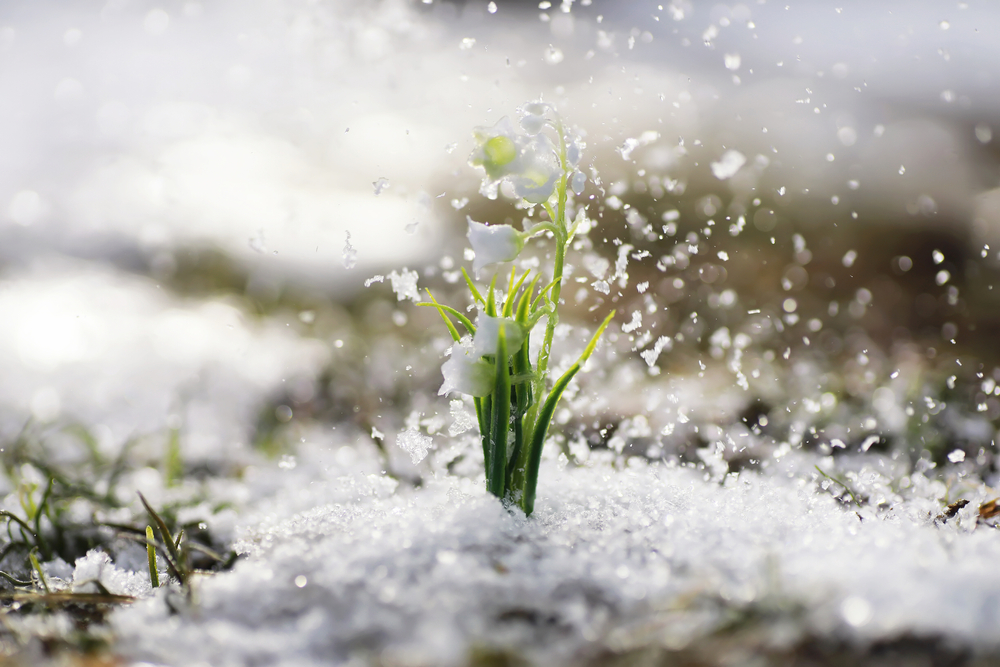
Winter storms don’t usually get applause from gardeners, but maybe they should. While icy wind rattles windows and snow piles up outside, something quietly brilliant could be happening in your garden beds. That white blanket might be doing more than just looking pretty or causing sore shoveling muscles. Snow, surprisingly, can act like a natural multitasking superhero for your soil, your plants, and even your spring workload.
Before you curse the next snowfall, it might be time to see it as one of the most underrated garden tools of the year.
Snow As Nature’s Insulating Blanket
Snow traps air between its flakes, creating an insulating layer that protects soil from brutal temperature swings. This insulation helps keep plant roots at a more stable temperature even when the air above is frigid. Without snow, soil can freeze deeply and repeatedly thaw, which stresses roots and can push plants out of the ground. Many perennials, bulbs, and shrubs survive winter better under snow than in bare, frozen soil. In this way, snow behaves much like straw or leaf mulch, only it arrives for free and spreads itself evenly.
How Snow Protects Soil Life
Beneath the snow, soil is far from lifeless. Beneficial microbes, fungi, and earthworms slow down but don’t disappear, especially when insulated by snow. This protective layer prevents soil organisms from being wiped out by extreme cold. Healthier soil life means better nutrient cycling once spring arrives. When snow is absent, soil can become biologically quiet and slower to rebound.
Moisture Management Without A Hose
Snow slowly releases moisture as it melts, allowing water to seep gently into the soil. This gradual process reduces runoff compared to heavy spring rains. The moisture penetrates deeply, encouraging roots to grow downward instead of staying shallow. Gardeners in dry regions often rely on snowpack as a crucial water reserve. In many cases, winter snow sets the tone for how resilient a garden will be during summer heat.
Snow Versus Traditional Mulch
Traditional mulches like bark, straw, or compost are fantastic, but snow offers a few unique advantages. It covers large areas effortlessly and doesn’t compact soil when applied naturally. Snow also disappears on its own, meaning no cleanup is required in spring. Unlike organic mulches, it doesn’t harbor pests or diseases over long periods. Think of snow as a temporary mulch with surprisingly powerful benefits.
The Role Snow Plays In Preventing Winter Damage
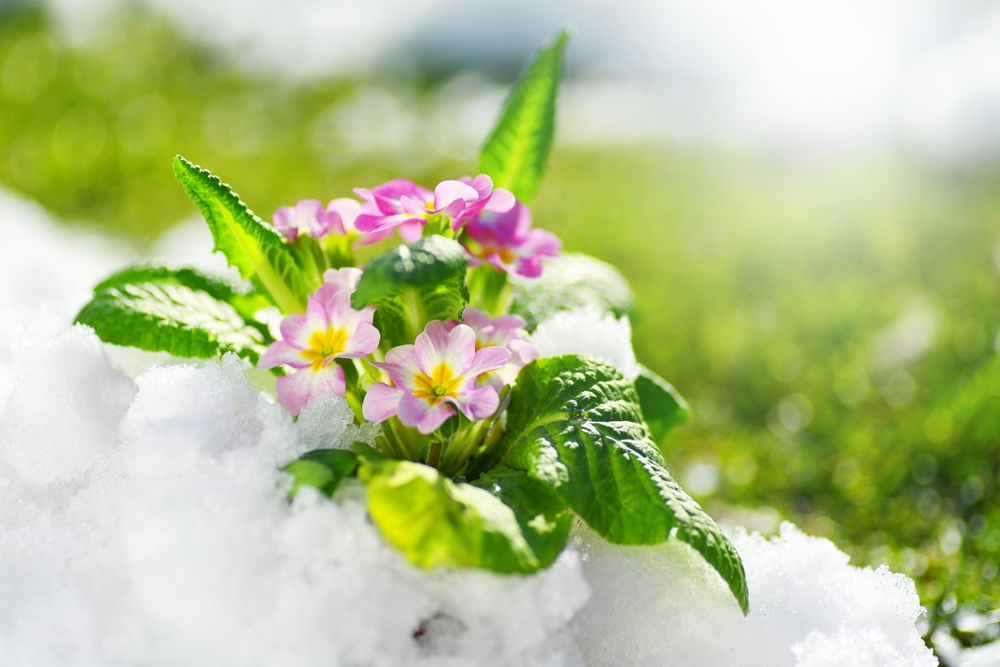
Winter wind can be more damaging than cold itself, drying out plant tissues and soil. Snow shields plants from direct exposure to harsh winds. This protection is especially important for low-growing plants and groundcovers. Snow can also prevent sunscald on plant stems by buffering intense winter sunlight. In essence, it acts as a gentle barrier between plants and the season’s harshest elements.
When Snow Helps And When It Hurts
Not all snow is created equal, and context matters. Light, fluffy snow is ideal, while heavy, wet snow can break branches and crush delicate plants. Ice layers beneath snow can sometimes suffocate turf or plants if they linger too long. Shoveling salty snow into garden beds can damage soil and roots. Understanding these limits helps gardeners appreciate snow’s benefits without ignoring its risks.
Using Snow Intentionally In Your Garden
Gardeners can actually work with snow instead of against it. Shoveling clean snow onto garden beds can add insulation where it’s needed most. Snow fences or windbreaks can help snow accumulate evenly across planting areas. Leaving plant stalks standing encourages snow to settle and stay put. With a little intention, snow becomes an active part of your winter garden strategy.
Rethinking Winter’s White Blanket
Snow is often viewed as an inconvenience, but it may be one of the garden’s quiet heroes. Acting as mulch, insulation, and irrigation all at once, it supports soil and plants through the toughest months. Seeing snow this way can change how gardeners feel about winter altogether. Every snowfall becomes an investment in spring success.
If you’ve noticed how snow affects your garden, the comments section below is the perfect place to tell your story or add your perspective.
You May Also Like…
Is Your Garden Ready for the First Snowfall?
How to Prep Raised Beds for Snowfall
Why You Should Refresh Mulch Around Trees Before the First Snow
Why Mulching Improves Soil Microclimate in Winter
Why You Should Refresh Mulch Around Trees Before the First Snow

Brandon Marcus is a staff writer for FrugalGardening.com at District Media, Inc., where he delivers practical gardening advice with a relatable, no-nonsense style. An avid amateur gardener, he holds a BA degree and with over ten years of professional writing experience, he is also an award-winning published author whose first book, Questions For Deep Thinkers, was released by Adams Media. His work has appeared in major publications including Fandom.com, CHUD.com, TheColdWire.com, and Fansided.com.
Leave a Reply