
Winter has a reputation problem, especially in the garden. The days get shorter, the air bites back, and everything looks frozen, silent, and completely unproductive. That’s exactly why winter composting feels like a wild idea, the kind gardeners quietly dismiss until spring rolls around again. But here’s the twist: winter composting isn’t a desperate fallback or a half-hearted habit, it’s a secret weapon hiding in plain sight.
Once you understand what’s actually happening inside that pile when the temperature drops, winter suddenly becomes one of the most powerful seasons for composting success.
Cold Weather Composting Keeps Microbes Busy
Even when the air feels bone-chilling, compost piles create their own microclimates that protect hardworking microorganisms. These tiny decomposers don’t clock out just because frost shows up, especially when they’re insulated by layers of leaves, food scraps, and garden waste. Heat generated from decomposition can raise the internal temperature of a compost pile dramatically, even when snow is falling outside. This means breakdown continues slowly but steadily all winter long instead of stopping completely. Think of winter composting as low-and-slow cooking for soil, where patience pays off with richer results.
Winter Composting Reduces Pests And Odors
Cold temperatures naturally discourage many of the pests that cause headaches during warmer months. Rodents, flies, and insects are far less active, which means fewer unwanted visitors sniffing around your compost pile. Odors also become less intense because organic materials break down at a slower, more controlled pace. This creates a cleaner, calmer composting experience that feels far more manageable. Winter composting quietly solves problems gardeners often blame on compost itself, not the season.
Frozen Ground Creates Better Nutrient Retention
In winter, nutrients stay put instead of washing away through heavy rain or rapid plant uptake. Composting during this season allows valuable nitrogen, carbon, and trace minerals to remain locked inside the pile where they belong. When spring arrives, those nutrients are ready and waiting rather than already lost to runoff. This slow holding pattern builds compost with deeper, more balanced fertility. Your garden benefits later because winter compost acts like a savings account instead of loose change.
Less Yard Waste Competition Means Better Focus
Fall and winter dramatically reduce the constant influx of fresh grass clippings and fast-rotting greens. With fewer materials flooding the pile, composters can be more intentional about layering and balance. Leaves, kitchen scraps, cardboard, and woody material finally get the attention they deserve. This improves structure, airflow, and long-term breakdown quality. Winter composting rewards thoughtful gardeners who enjoy dialing in the process instead of rushing it.
Snow And Ice Provide Natural Insulation
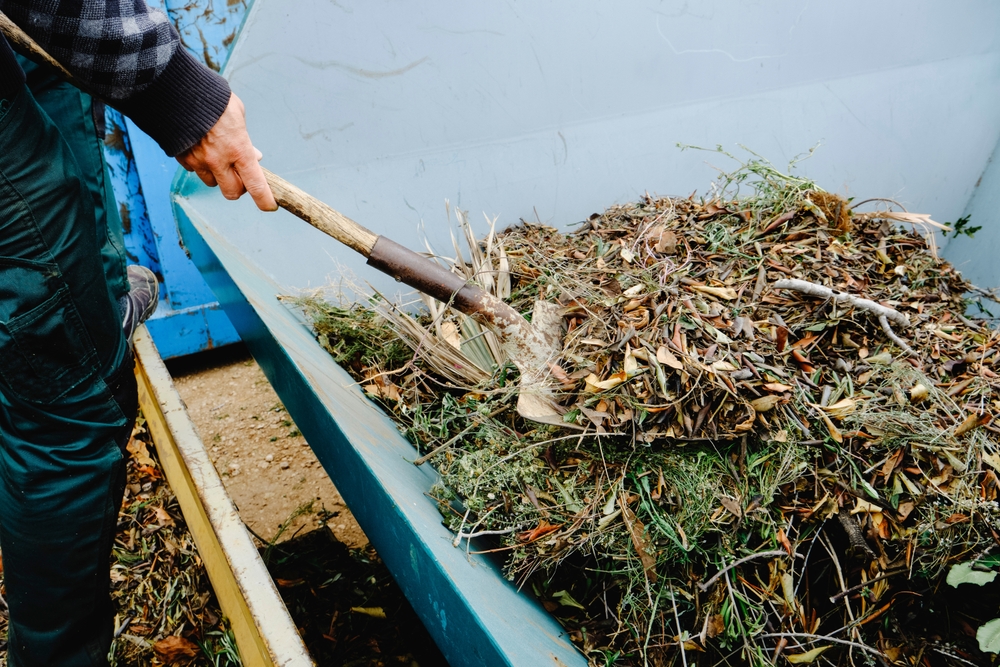
Snow isn’t the enemy of compost, it’s free insulation. A thick blanket of snow helps regulate temperature and protects microbial activity inside the pile. Ice on the surface can actually seal in warmth, preventing heat from escaping too quickly. This natural insulation mimics compost covers and tarps without extra effort. Winter turns the elements into allies when you let nature work with you instead of against you.
Winter Compost Builds Momentum For Spring Gardens
By composting through winter, you enter spring with partially finished material already ahead of schedule. This jumpstart means less waiting and more planting when the soil finally warms. Gardeners who compost year-round often notice healthier seedlings and stronger early growth. Winter compost creates confidence, not chaos, when spring arrives. Instead of scrambling to catch up, you’re already prepared.
Winter Composting Is A Quiet Advantage
Winter composting flips expectations and rewards gardeners willing to stay curious instead of cautious. It turns cold months into preparation time rather than downtime. Compost piles don’t need perfect conditions; they need consistency and care. The payoff shows up later in healthier soil, stronger plants, and fewer problems.
If you’ve experimented with winter composting or have surprising results to talk about, add your thoughts or stories in the comments section below.
You May Also Like…
13 Composting Ideas to Use Holiday Kitchen Waste in Your Garden
12 Ways to Build Soil Over Winter Using Leaves, Compost & More
The Right Way to Seal and Insulate Your Compost Pile for Winter
The Bed-Cleaning Trick That Makes Your Compost Work Twice as Fast
Why Compost Heats Slower in Shorter Days

Brandon Marcus is a staff writer for FrugalGardening.com at District Media, Inc., where he delivers practical gardening advice with a relatable, no-nonsense style. An avid amateur gardener, he holds a BA degree and with over ten years of professional writing experience, he is also an award-winning published author whose first book, Questions For Deep Thinkers, was released by Adams Media. His work has appeared in major publications including Fandom.com, CHUD.com, TheColdWire.com, and Fansided.com.
Leave a Reply