Like the saying goes, one man’s trash is another man’s treasure. This is especially true when you’re trying to garden on a budget. Don’t throw out your waste; instead, get creative! Repurposing things like recycled materials is not only cost-effective but also sustainable. Here are 10 things that will improve your garden and are cheaper than other materials.
1. Plastic Bottles
Did you know that soda bottles can be repurposed for your garden? All you need to do is cut them in half. Then, they act like mini greenhouses. You can cover your plants with them and they will trap in heat and moisture. This can protect delicate plants and also can help plants germinate and grow.
2. Egg Cartons
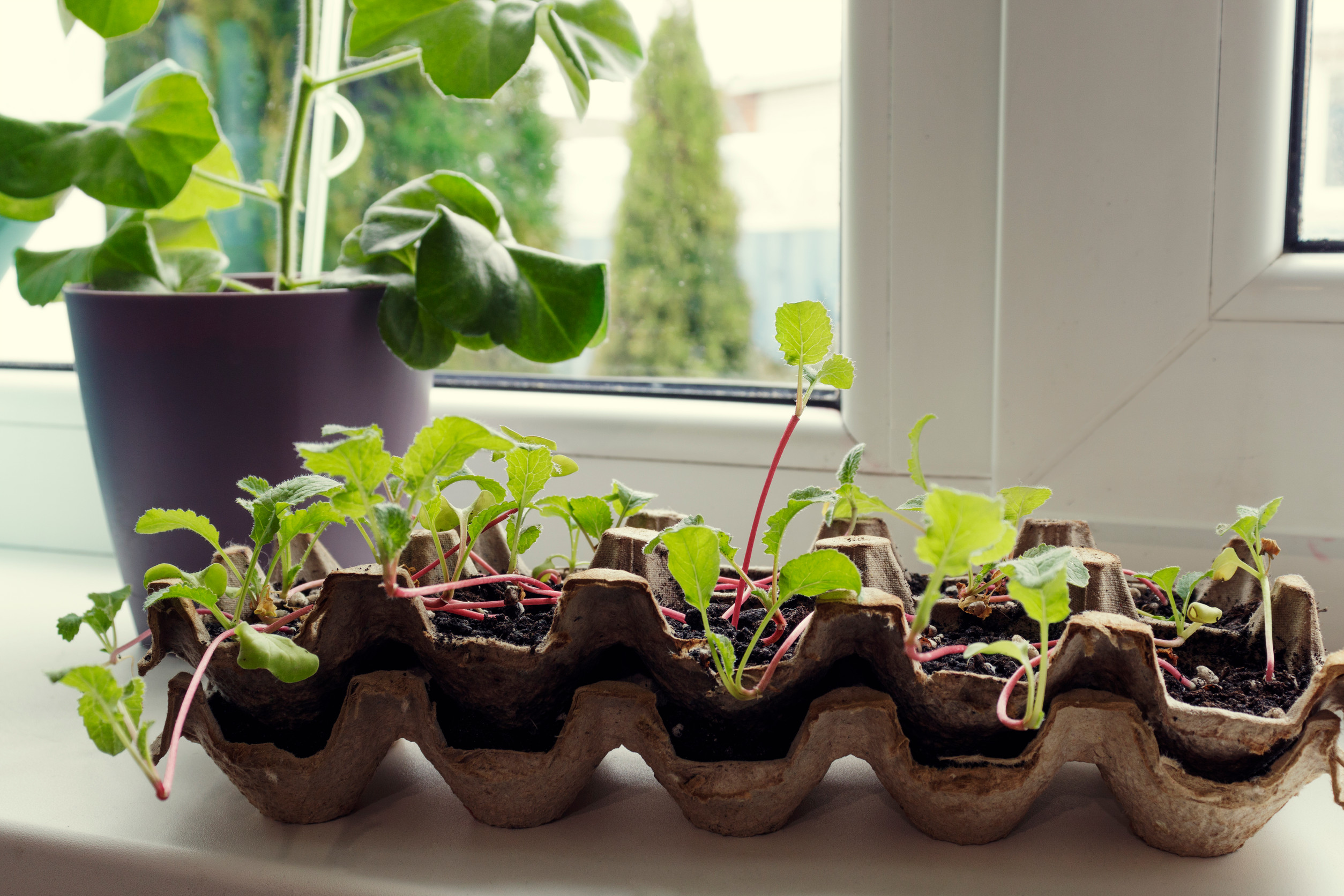
Egg cartons are recycled materials that make excellent seed starters. Just cut them up accordingly. Recycled egg cartons fit well on windowsills and are easy to transport. You can easily transplant the seedling into larger pots or the soil, sometimes with the egg carton cup still intact.
3. Wine Corks
Wine corks have multiple uses in a garden. First, you can use them as your mulch. Since they are compressible, you can arrange them in all different ways to your liking. They also don’t absorb water, so they won’t decompose. You can also use them as filler in your pots.
4. Wood Pallets
Wood pallets can make beautiful vertical planters. These are great for herbs, succulents, and flowers. If you have a small space, these planters can make a difference. They retain water better and have more space for roots to grow, so plants grow better in them.
5. Newspapers
Newspapers are great for managing weeds in your garden. They also can absorb moisture well. You can create a DIY mulch using newspaper clippings.
6. Cans and Jars
Cans and jars can be upcycled into custom planters. If you are using cans, make sure to line the inside with bubble wrap or newspaper. This will ensure that the inside doesn’t get too hot and will drain properly.
7. Scraps
Don’t throw out your kitchen scraps! Kitchen scraps are composting gold. This easily creates nutrient-rich soil for your plants. However, you should avoid meat and greasy foods as they can attract animals. Everything else, from fruits, vegetables, egg shells, and coffee grounds, is excellent for composting.
8. Old Pots
Don’t get rid of old pots! They can have new life if you repurpose them. You can use pieces of pots for walkways or mosaics. They can also be used as plant markers. Some people even make broken pot fairy gardens.
9. Gutters
Are your old gutters broken.?You can use them as planters! Hang gutters along fences and walls for an interesting way to showcase your plants. Lettuce, strawberries, and herbs grow best in gutter planters.
10. Milk Jugs
Milk jugs are a recycled material that can be repurposed in several ways. First, they make great watering cans. Just poke holes in the cap for a controlled flow. They also can be used as self-watering planters. Just cut a milk jug in half, flip the top into the bottom with a wick, like an old t-shirt, running through. Add soil and water. These are perfect for herbs or small plants that need consistent moisture.
Repurposing Recycled Materials
With a little creativity, you can repurpose many household items for your garden. Not only will you save money, but you’ll create a more sustainable and unique garden. Ultimately, nothing should be wasted when you are trying to garden frugally.
Read More
8 Budget Friendly Landscaping Tips No One Talks About
No Yard, No Problem: How Urban Gardening Is Changing City Life

Teri Monroe started her career in communications working for local government and nonprofits. Today, she is a freelance finance and lifestyle writer and small business owner. In her spare time, she loves golfing with her husband, taking her dog Milo on long walks, and playing pickleball with friends.
Leave a Reply