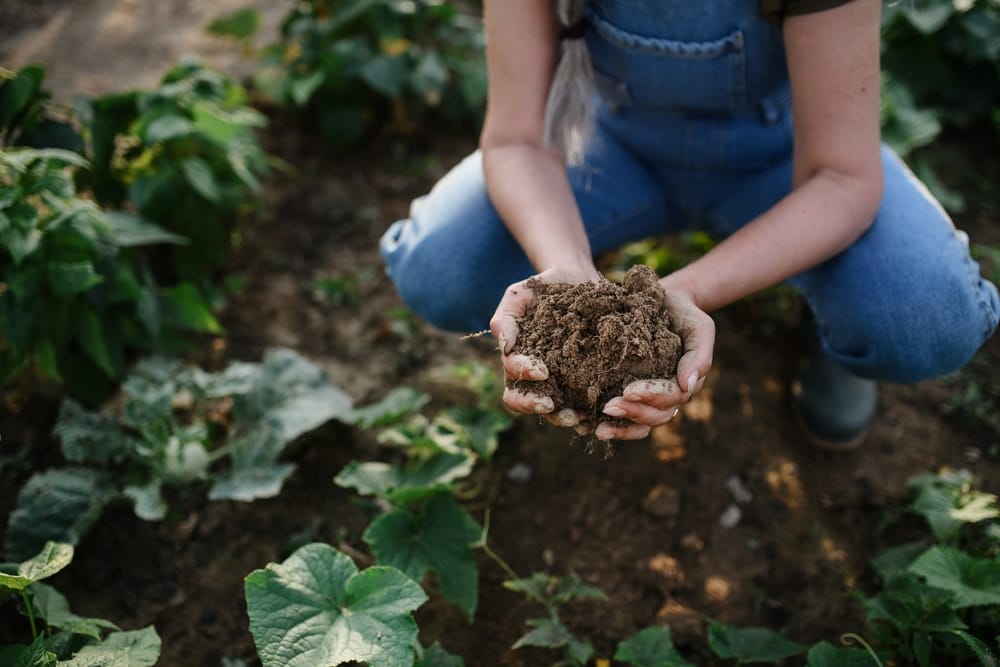
There’s a little magic that happens in the garden when winter sneaks in, and it isn’t just the sparkling frost decorating your plants. Beneath the surface, something fascinating occurs: the soil itself becomes healthier, lighter, and easier to work with once the frost touches it. Gardeners, farmers, and backyard enthusiasts often notice that tilth—the texture and structure of soil—improves dramatically after a hard frost, but why? It’s not a trick, a myth, or some ancient gardening superstition.
The process is a mix of science, nature, and a bit of seasonal artistry that turns ordinary dirt into nutrient-rich, crumbly soil ready for spring planting.
Frost Breaks Down Soil Clumps
When frost penetrates the soil, it doesn’t just settle on the surface—it works its way deep into the earth. Water trapped in soil pores freezes and expands, causing compacted soil clumps to crack and crumble. This process, called freeze-thaw action, literally shatters large, dense aggregates into smaller, more manageable pieces. As these clumps break down, the soil becomes lighter and more friable, meaning roots can grow more easily, and air and water move freely through the ground. Frost is essentially nature’s slow-motion soil conditioner, working without any human effort.
Microbial Activity Adjusts With Temperature
Frost doesn’t completely halt life beneath the surface; instead, it prompts subtle shifts in microbial activity. As temperatures dip, some microbes slow down, while others thrive in cooler conditions. These tiny organisms break down organic matter differently when soil freezes and thaws, creating a richer mix of nutrients. When the soil warms again, microbial populations bounce back, releasing nutrients that make the tilth more fertile. The result is a soil ecosystem that’s more balanced and ready to nourish new plants come spring.
Soil Moisture Becomes More Even
One of the most surprising benefits of frost is how it redistributes moisture in the soil. Water expands as it freezes, pushing particles apart and creating tiny channels that improve drainage. When the frost melts, water penetrates evenly instead of pooling or creating soggy pockets. This consistent moisture distribution helps seeds germinate more successfully and encourages deep root growth. Gardeners often find that post-frost soil is easier to manage because it’s neither too dry nor too wet—just perfectly primed for planting.
Organic Matter Is Better Incorporated
Frost also helps organic matter integrate more thoroughly into the soil structure. Leaves, compost, and plant debris sitting on the surface are gradually mixed into the soil as freeze-thaw cycles break up both clumps and decomposing material. This mixing improves tilth by increasing the organic content within the soil, which in turn enhances water retention and nutrient availability. Even stubborn mulch layers get slightly broken down, making it easier for earthworms and microbes to do their work. In essence, frost acts as a natural tiller, incorporating valuable nutrients without disturbing the soil ecosystem.

Frost Loosens Hardpan Layers
Many gardeners struggle with hardpan: compacted layers of soil that resist root penetration and water movement. Frost can help alleviate this problem over time. As water freezes and expands, it creates small fissures in the hardpan, gradually breaking it apart. This process allows roots to grow deeper and access nutrients previously trapped in denser layers. While it’s not instant, repeated frost cycles naturally loosen the soil, saving gardeners from intensive mechanical tilling.
Enhanced Soil Aeration Occurs Naturally
Good tilth isn’t just about texture—it’s about air. Frost contributes to aeration in a surprisingly effective way. As ice crystals form and expand, they create air pockets that remain even after the soil thaws. These pockets allow oxygen to penetrate, which is essential for root respiration and microbial activity. The improved aeration helps prevent waterlogging and encourages a healthier, more resilient soil environment. Gardeners often notice that post-frost soil feels lighter and easier to work with precisely because of these tiny, invisible air highways.
Earthworms And Other Beneficial Creatures React
Even small creatures respond to frost, often in ways that improve tilth. Earthworms may migrate slightly deeper, leaving channels behind that enhance drainage and aeration. Microarthropods and other soil fauna also adjust their movements, mixing organic material and loosening the soil as they go. This natural activity amplifies the physical effects of freeze-thaw cycles. By the time spring rolls around, these tiny creatures have played a key role in creating the crumbly, nutrient-rich soil that gardeners love.
Nature’s Subtle Winter Work
Frost isn’t just pretty—it’s a hardworking, invisible gardener that improves soil tilth in multiple ways. From breaking up clumps and loosening hardpan to enhancing microbial activity and aeration, the freeze-thaw cycles set the stage for vibrant spring growth. Organic matter is incorporated more efficiently, moisture is balanced, and the soil ecosystem becomes healthier without any human intervention. Understanding the effects of frost can help gardeners plan their post-winter soil management more effectively.
Have you noticed your soil changing after frost? Share your experiences, observations, or tips in the comments section below.
You May Also Like…
Why Winter Cover Crops Boost Soil Health
How Groundcovers Protect Soil Through Autumn
Why Mulching Improves Soil Microclimate in Winter
Why Frost Tolerant Crops Taste Sweeter
How to Keep Your Citrus Trees Alive When November Frost Hits Hard

Brandon Marcus is a staff writer for FrugalGardening.com at District Media, Inc., where he delivers practical gardening advice with a relatable, no-nonsense style. An avid amateur gardener, he holds a BA degree and with over ten years of professional writing experience, he is also an award-winning published author whose first book, Questions For Deep Thinkers, was released by Adams Media. His work has appeared in major publications including Fandom.com, CHUD.com, TheColdWire.com, and Fansided.com.
Leave a Reply