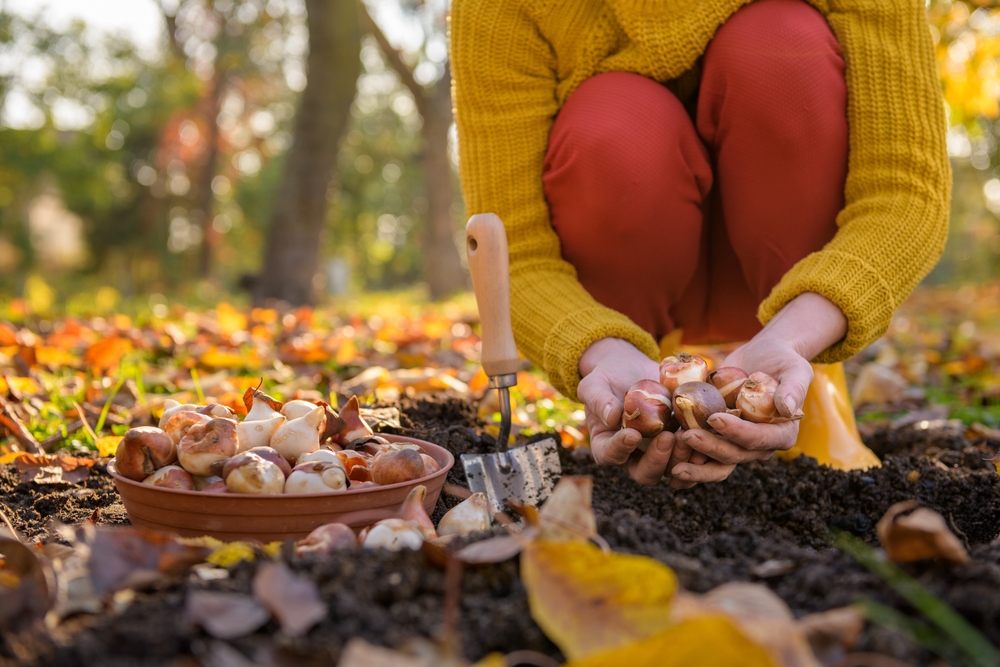
Spring gets all the gardening glory, but fall has a sneaky advantage: it can cost less to get growing. The season favors vegetables that handle cooler weather, many of which grow beautifully from inexpensive packets of seed rather than trays of pricey transplants, heat-loving plants, and all the gear that comes with them. That difference can make a second garden feel less like another expense and more like getting extra mileage from the garden already in place.
There is another money-saving trick hiding in plain sight: the soil already has a season of work behind it. Beds sit where they sat in spring, irrigation may already exist, tools are already in the shed, and garden amendments may already have made their way into the soil. With a little planning, fall becomes less about starting from scratch and more about putting existing, proven resources back to work.
Fall Crops Often Need Less Fuss From the Start
A spring garden frequently begins with a parade of warm-season vegetables that need special timing, careful transplanting, and enough warmth to get moving. Tomatoes, peppers, cucumbers, and other warm-season crops cannot handle frost, so gardeners often start them indoors or purchase young plants before moving them outside at the proper time. Fall gardening shifts the lineup toward cool-season vegetables such as spinach, lettuce, radishes, carrots, beets, kale and turnips. Many of those crops can go directly into the garden from seed, which eliminates the cost of buying established plants for every bed.
Direct sowing also makes the fall garden wonderfully uncomplicated. A packet of carrot or radish seed can fill a surprising amount of garden space without requiring a windowsill nursery, seed-starting mix, trays or grow lights. That does not mean every fall crop should come from seed, because crops such as broccoli and kale can make sense as transplants when the planting window gets tight. Still, gardeners can save money by matching the crop to the simplest propagation method instead of treating every vegetable like a tiny botanical celebrity.
The Garden Bed Itself Is Already Paid For
One of the biggest fall gardening bargains comes from something that never appears on a seed packet: existing infrastructure. The raised bed already exists, the trellis may still stand, the watering equipment remains available, and the hand tools have hopefully survived another season without disappearing into the mysterious shed dimension. Fall crops can move into spaces that summer vegetables leave behind, creating another harvest without requiring another garden installation. Penn State Extension specifically recommends succession planting to follow warm-season crops with cool-season vegetables for an extended harvest.
That approach can turn an ordinary garden bed into a two-act production. Once peas, lettuce, early potatoes, or other crops finish, gardeners can clear debris, pull weeds, refresh the soil if necessary, and plant another crop suited to the remaining season. Fall soil testing also offers a practical financial advantage because gardeners can learn what the soil actually needs before buying amendments, rather than tossing products into the bed based on guesswork.
Cool Weather Can Make Some Crops Easier to Grow
Fall removes one of gardening’s more irritating variables: excessive heat. Cool-season vegetables generally prefer lower temperatures, and several common crops handle light frost without much drama. Kale, spinach, broccoli, cabbage, radishes and several other cool-season vegetables can tolerate chilly conditions that would send tomatoes and peppers straight into retirement. Some crops even develop sweeter flavors after exposure to light frost because they convert stored starches into sugars as temperatures fall.
That cooler weather can also improve the quality of certain vegetables. Radishes, for example, can become fibrous, overly sharp and prone to bolting when hot weather hangs around, while fall temperatures provide conditions they prefer. Lettuce and other greens also appreciate cooler conditions because heat can push them toward flowering before gardeners get the harvest they wanted.
Saving Money Still Requires Good Timing
There is one important catch, because fall gardening does not magically turn every seed packet into free food. The days become shorter as autumn progresses, and that reduced sunlight can slow plant growth, so gardeners need to plant early enough for crops to reach a useful size before serious cold arrives. The exact planting window depends on the local frost date, crop, variety, and expected days to maturity. A seed packet’s maturity information can help, but gardeners should also account for the slower growth that accompanies shorter days and cooler temperatures.
Planting too late creates the opposite of a bargain. A gardener can spend very little on seeds and still waste money if the plants never reach harvestable size. Crops such as radishes, spinach, and leafy greens often offer quicker returns, while carrots, beets, and other root crops need more patience and careful scheduling. Checking the expected first frost date before planting turns a cheap experiment into a much more calculated garden decision.
A Little Protection Can Stretch the Budget Further
Gardeners do not need a backyard greenhouse worthy of a botanical research station to extend the fall harvest. Simple materials can provide useful protection when temperatures dip, including low tunnels, row covers, cloches, and cold frames. These structures shelter plants from cold temperatures and, depending on the setup, can help gardeners keep harvesting after ordinary outdoor conditions become less forgiving.
The best approach involves using what already exists before buying anything elaborate. A simple low tunnel can use hoops and a suitable covering, while a cold frame can provide a sheltered growing space for cool-season crops without an external heat source. Gardeners should also remember that protection does not erase winter, so crops still need appropriate cold tolerance and adequate time to mature. Used strategically, however, a little protection can turn a short fall planting into a much longer harvest without turning the garden into a costly engineering project.
Fall Could Be the Garden’s Best Budget Season
The real savings come from combining several small advantages rather than hunting for one magical bargain. Direct-sown crops reduce the need for transplants, existing beds eliminate new construction costs, succession planting puts empty soil back to work, and cool-season vegetables often suit the conditions without the heat-loving equipment that spring gardens sometimes require. None of those advantages guarantees a cheaper garden, because seed purchases, soil amendments, water and season-extension materials still cost money. The difference comes from spending those dollars where they actually help instead of rebuilding the entire garden every season.
A fall garden also changes the way the gardening year feels. Instead of treating summer’s final harvest as the closing curtain, gardeners can see empty spaces as invitations for another round of lettuce, spinach, carrots, radishes, kale, beets or other cool-season favorites. That second act can deliver fresh produce while making better use of soil, tools and garden infrastructure already on hand.
What makes the fall garden especially appealing in your yard: the lower startup cost, the cooler growing conditions, or the chance to squeeze another harvest from the same space?
You May Also Like…
Don’t Rip Out Your Summer Garden Yet: 8 Plants That May Keep Producing Into Fall
5 Beginner Errors That Reduce Yields in Spring Gardens
8 Insects That Actually Help in Fall Gardens
How Wildlife Relies on Your Fall Garden for Survival
7 Late-Summer Garden Checks That Can Prevent Winter Damage

Brandon Marcus is a staff writer for FrugalGardening.com at District Media, Inc., where he delivers practical gardening advice with a relatable, no-nonsense style. An avid amateur gardener, he holds a BA degree and with over ten years of professional writing experience, he is also an award-winning published author whose first book, Questions For Deep Thinkers, was released by Adams Media. His work has appeared in major publications including Fandom.com, CHUD.com, TheColdWire.com, and Fansided.com.
Leave a Reply