
There’s something magical about fall gardening—the crisp air, the earthy smell of freshly turned soil, and the anticipation of harvesting veggies just as the leaves start to turn. But here’s the secret: fall gardening isn’t just about planting; it’s about pairing. Think of it like setting up your favorite friends at a dinner party—the right guests make everything better.
In the garden, companion planting means certain plants help each other thrive by deterring pests, boosting nutrients, or improving flavor.
1. Spinach and Radishes
Spinach loves cool weather, but it can be slow to grow, leaving lots of space in the soil early on. Enter radishes: quick growers that act like natural soil looseners. As radishes push through the ground, they create air pockets, making room for spinach roots to stretch out and flourish. Plus, spinach shades the soil, keeping it cooler and helping radishes mature without bolting. Together, they’re the ultimate fall tag team—fast, fresh, and fuss-free.
2. Carrots and Onions
Carrots and onions are like the dynamic duo of fall gardening. But they attract carrot flies, while onions give off a strong scent that confuses those pests and keeps them at bay. In return, carrots grow deep into the soil, breaking it up and helping onions develop bigger, stronger bulbs. This natural teamwork reduces your need for pesticides and gives you two root crops for the price of one garden bed. It’s basically plant friendship goals.
3. Kale and Garlic
Kale is a fall superstar, but like all leafy greens, it has to deal with annoying pests like aphids and cabbage worms. Garlic to the rescue! Its strong smell repels many of those invaders, giving kale a better chance to thrive. Meanwhile, kale shades the soil, keeping garlic cloves snug and cozy as they establish roots before winter. It’s a powerhouse combo that delivers nutrition-packed greens now and garlic bulbs later—talk about planning ahead.
4. Lettuce and Beets
Lettuce is quick to sprout in cooler fall temperatures, and it doesn’t mind growing close to neighbors. Beets, on the other hand, are a bit slower but grow downward, leaving plenty of room above the soil. The lettuce acts like a living mulch, keeping the soil moist and protecting delicate beet sprouts from harsh sunlight. In return, beets release minerals into the soil that improve lettuce growth. Together, they make an efficient, low-maintenance pair that fills your salad bowl in no time.
5. Cabbage and Dill
Cabbage can be a pest magnet in the fall, with caterpillars, worms, and beetles eager to snack on those broad leaves. Dill steps in as the bodyguard. Its feathery foliage attracts predatory insects like ladybugs and parasitic wasps that happily feast on cabbage pests. As dill does its protective work above ground, cabbage enjoys the peace of growing without constant damage. Plus, you get two kitchen staples that complement each other beautifully in soups and stews.
6. Broccoli and Celery
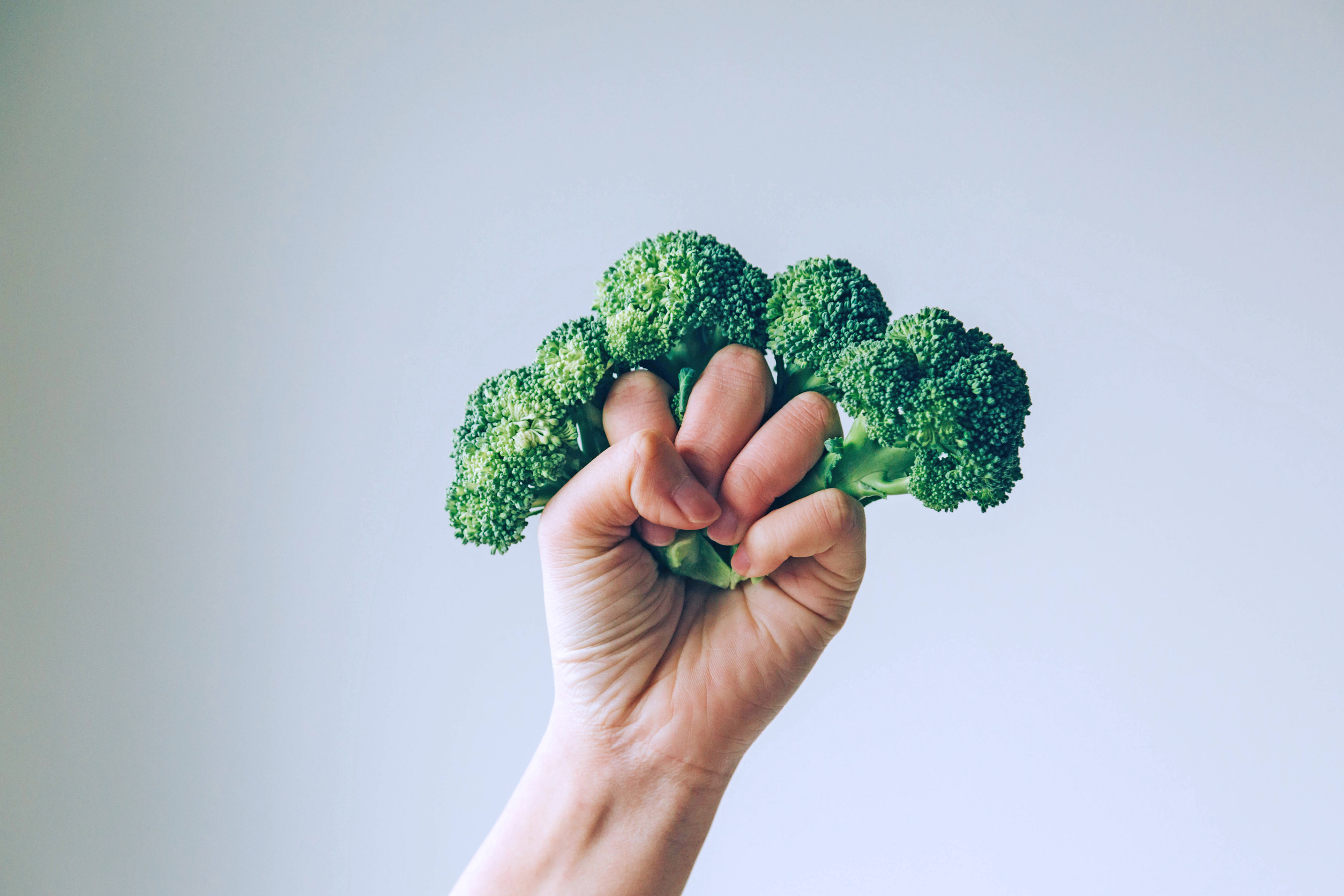
Broccoli loves nitrogen-rich soil, but it often draws pests like cabbage loopers and flea beetles. Celery, with its strong aroma, helps mask broccoli’s scent and discourages those pests. Meanwhile, broccoli’s broad leaves provide shade that keeps celery cool and hydrated during fluctuating fall temperatures. This combo also makes sense in the kitchen: celery and broccoli go hand-in-hand in everything from stir-fries to soups. Plant them together, and you’ll have both protection and flavor synergy.
7. Peas and Turnips
Fall peas might seem like a gamble, but when paired with turnips, they create a surprisingly effective match. Peas add nitrogen to the soil, which helps turnips develop larger, healthier roots. In turn, the broad turnip leaves shade the soil and help peas stay cool, extending their growing season. Together, they maximize productivity in the same space without competing for nutrients. It’s an underrated duo that rewards you with both tender greens and hearty roots.
Plant Partners for the Win
Fall gardening is all about strategy, and companion planting is your secret weapon. By pairing plants that protect, feed, and support each other, you’re not just saving space—you’re creating a healthier, more resilient garden. These seven combinations prove that with a little planning, your fall harvest can be both abundant and hassle-free.
Now it’s your turn: what companion planting combinations have worked in your garden? Share your favorite pairings, tips, or funny gardening stories in the comments below.
You May Also Like…
- The Secret Role of Dew in Autumn Gardening
- 12 Herbs That Thrive in Cooler Temperatures
- Why Soil Testing in Fall Saves Money in Spring
- How to Make Your Garden Pollinator-Friendly Without Buying a Single Bee House
- 5 Fall Planting Mistakes That Kill Your Harvest

Brandon Marcus is a staff writer for FrugalGardening.com at District Media, Inc., where he delivers practical gardening advice with a relatable, no-nonsense style. An avid amateur gardener, he holds a BA degree and with over ten years of professional writing experience, he is also an award-winning published author whose first book, Questions For Deep Thinkers, was released by Adams Media. His work has appeared in major publications including Fandom.com, CHUD.com, TheColdWire.com, and Fansided.com.
Leave a Reply