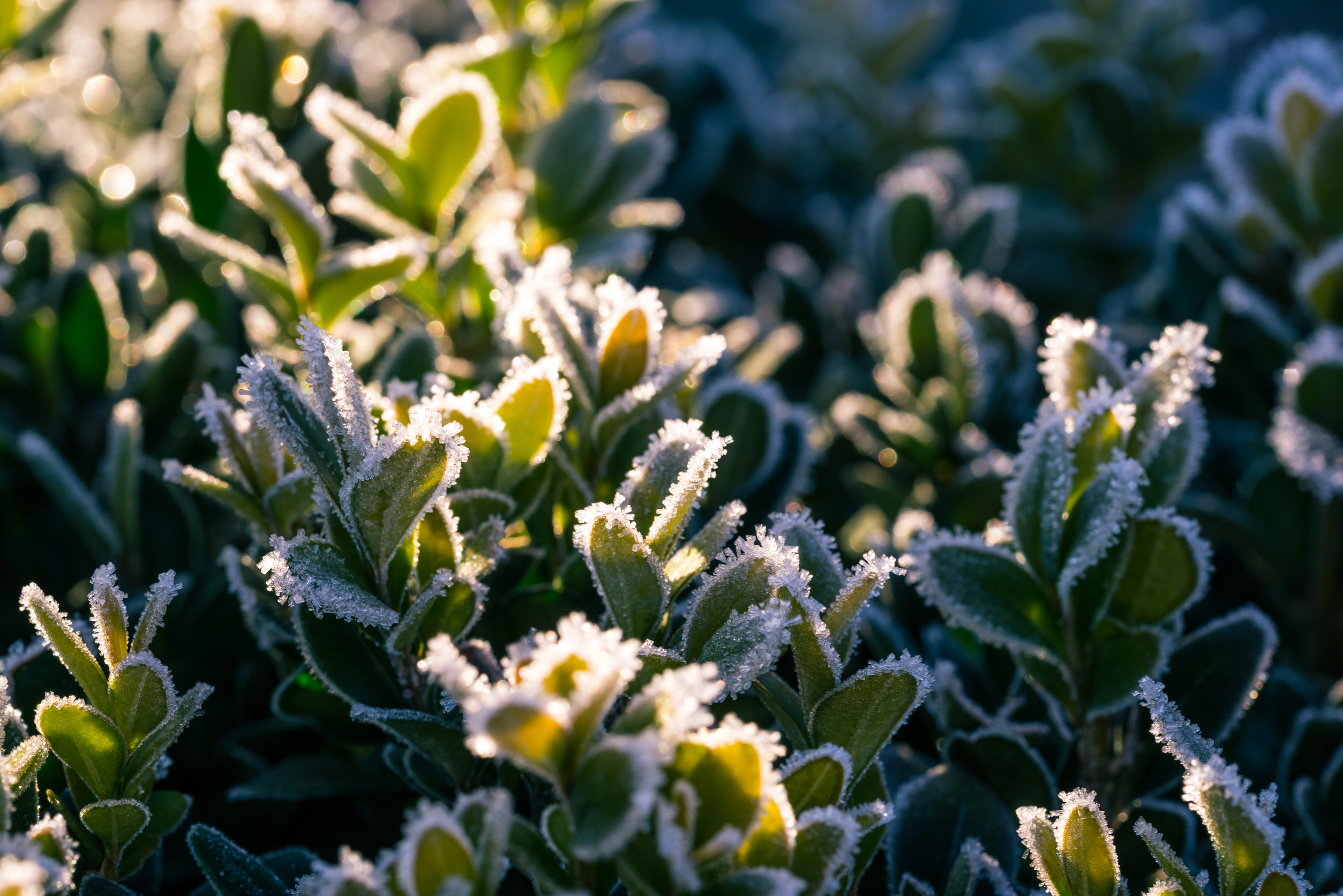
You wake up one crisp morning, peek out the window, and see your garden dusted with silver. It looks magical—but your plants might not think so. Early frosts don’t just nip leaves and wilt petals; they trigger deep chemical changes that ripple through a plant’s biology. Sugars surge, proteins scramble, and defensive compounds kick into overdrive.
For gardeners, farmers, and anyone who loves the science of growing things, the chemistry behind these frosty surprises is both fascinating and vital to understand.
Sugars: The Plant’s Natural Antifreeze
When frost hits earlier than expected, plants scramble to protect themselves by stockpiling sugars. These sugars, like glucose and sucrose, help lower the freezing point of water inside plant cells—kind of like antifreeze in your car. It’s a clever trick that keeps cells from rupturing under icy conditions. But this sugar rush also changes flavor, which is why carrots, kale, and Brussels sprouts often taste sweeter after a frost. The shift isn’t just survival—it’s a built-in bonus for gardeners and eaters alike.
Proteins on High Alert
Frost doesn’t just tweak sugars—it wakes up proteins that act like cellular bodyguards. These special proteins, known as “cold shock” proteins, help stabilize cell structures and prevent major damage. Some even bind to ice crystals, slowing their growth so cells aren’t shredded from the inside out. Plants also produce enzymes that break down damaged tissue and recycle it into useful nutrients. In essence, early frost flips a biochemical switch, sending proteins rushing to the front lines of plant defense.
Secondary Metabolites Go Into Overdrive
Beyond the basics of sugar and protein, frost sets off a surge in secondary metabolites—compounds plants use for defense and signaling. Think flavonoids, anthocyanins, and alkaloids: these chemicals can reduce oxidative stress and help ward off pests or pathogens taking advantage of weakened plants. For us, this means brighter colors in leaves and sometimes more potent flavors in herbs and vegetables.
These compounds are also linked to human health benefits, adding an unexpected bonus to the frost story. What looks like a plant under stress is, at the molecular level, a plant getting tougher and flashier.
Cell Membranes Face the Pressure
Frost is brutal on cell membranes, those delicate fatty layers that hold everything together. When water inside cells freezes, ice expands and shreds membranes like broken glass. To counter this, plants change the composition of their lipids, making membranes more flexible and less likely to rupture. It’s like swapping out brittle glass windows for flexible plastic ones right before a storm. This chemical shift is one of the most important adaptations that allows certain plants to bounce back after early cold snaps.
Communication Between Cells Heats Up
Believe it or not, early frost actually speeds up plant communication. Cells use chemical messengers like hormones to signal distress, triggering widespread adjustments across the plant. Abscisic acid, for example, spikes during frost to help regulate water loss and strengthen resistance. Other hormones coordinate growth slowdowns so energy can be rerouted to survival. It’s like the plant suddenly gathers its emergency response team, shouting, “Freeze incoming—batten down the hatches!” Chemistry becomes the language of survival.
Why Some Crops Thrive After Frost
Here’s the fun twist: not all plants see frost as doom and gloom. Crops like kale, carrots, and parsnips actually use these chemical shifts to become tastier and more nutritious. The sugar build-up enhances sweetness, while secondary metabolites boost antioxidants. Farmers sometimes intentionally wait until after a frost to harvest these crops because the flavor profile improves. In this way, what seems like a hardship in the plant world can end up as a culinary advantage for humans.
The Long-Term Impacts of Early Frosts
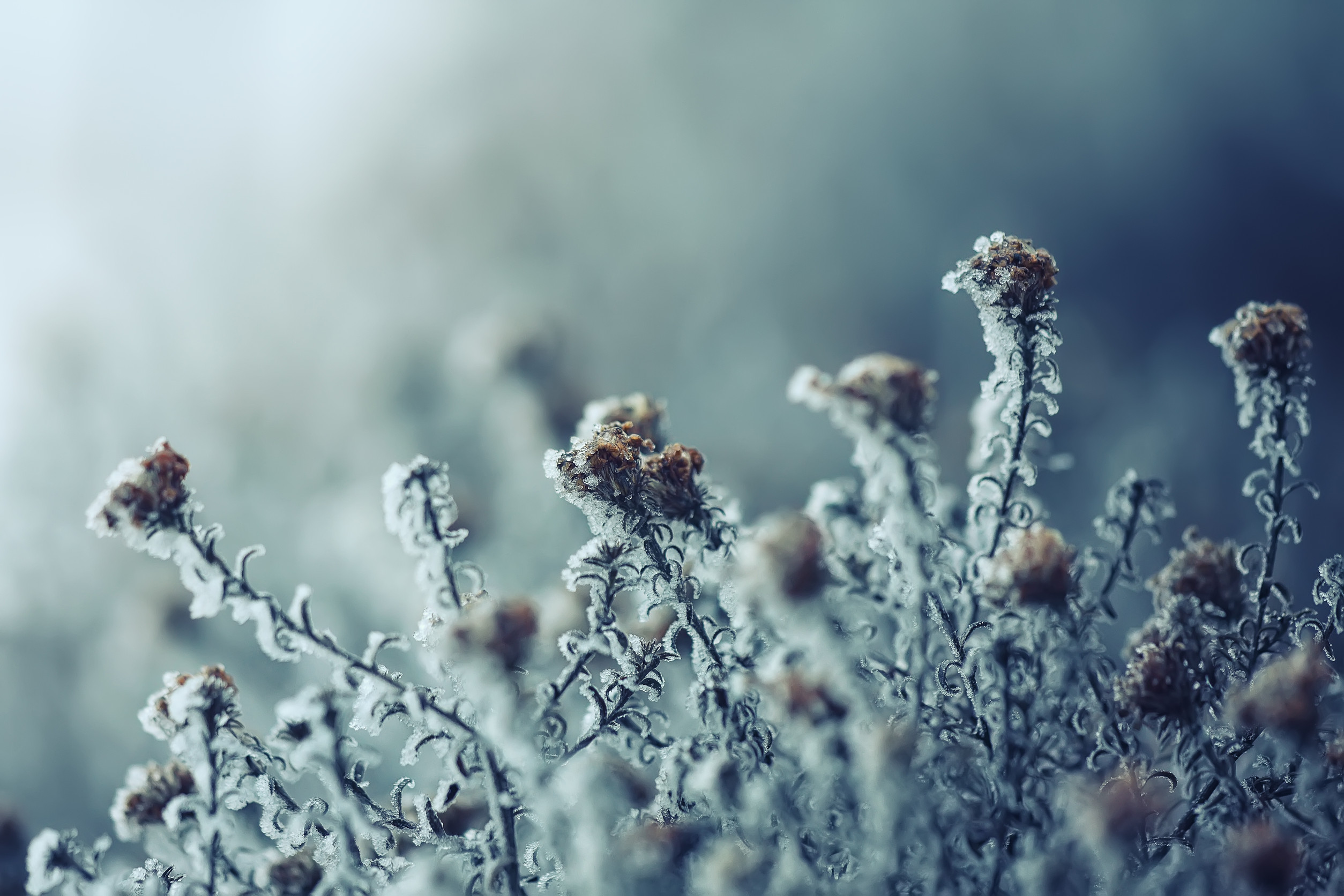
While some plants can handle the changes, repeated or early frosts can stress others beyond recovery. Prolonged chemical shifts sap energy reserves, weaken defenses, and reduce yields. Fruit trees, for instance, can lose entire seasons of blossoms if frost hits too soon, disrupting both chemistry and reproductive cycles. Over time, repeated frosts can even alter the way plants allocate resources, changing growth patterns. For farmers and gardeners, understanding these long-term effects is critical for planning and adapting.
Frost as a Catalyst, Not Just a Threat
Early frosts may look like a seasonal inconvenience, but beneath the glittery coating of ice, entire chemical dramas are unfolding. Sugars, proteins, metabolites, membranes, and hormones all shift gears in an astonishing dance of survival. Sometimes it makes plants sweeter, sometimes stronger, and sometimes too stressed to recover. The beauty is that frost doesn’t just hurt—it reshapes, recalibrates, and reveals the resilience built into plant biology.
Have you noticed changes in your garden after a frost? Share your stories, insights, or tips in the comments below.
You May Also Like…
- 5 Fall Planting Mistakes That Kill Your Harvest
- 8 Compost Ingredients That Break Down Faster in Fall
- 12 Herbs That Thrive in Cooler Temperatures
- The Hidden Dangers of Overwatering in Cooler Months
- 10 Perennials to Divide Before the First Frost

Brandon Marcus is a staff writer for FrugalGardening.com at District Media, Inc., where he delivers practical gardening advice with a relatable, no-nonsense style. An avid amateur gardener, he holds a BA degree and with over ten years of professional writing experience, he is also an award-winning published author whose first book, Questions For Deep Thinkers, was released by Adams Media. His work has appeared in major publications including Fandom.com, CHUD.com, TheColdWire.com, and Fansided.com.
Leave a Reply