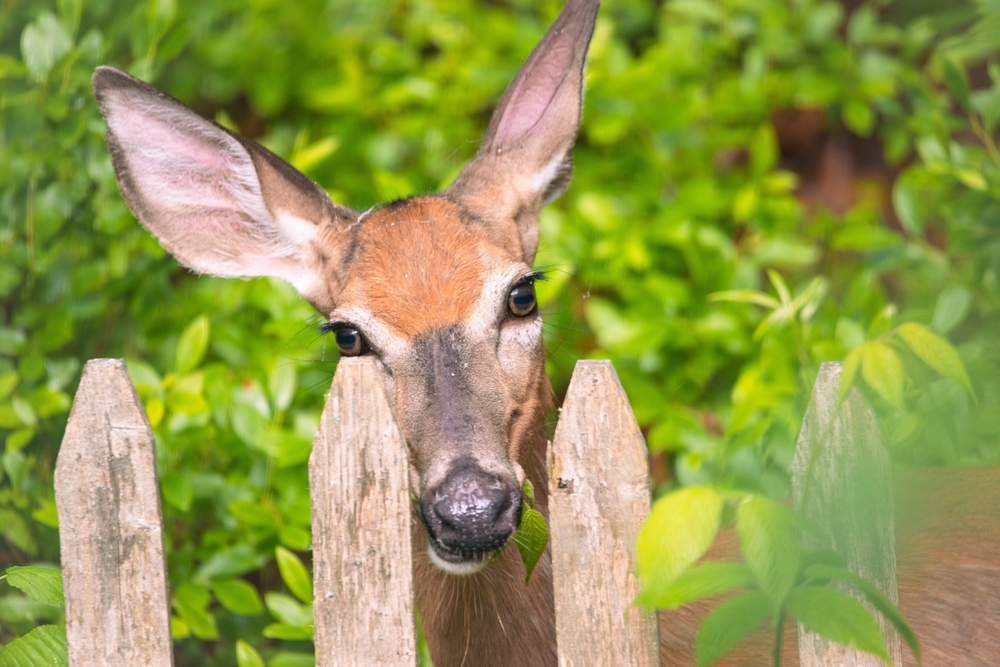
Your yard looks peaceful. The flowers are thriving. The shrubs are lush. Everything feels calm—until you step outside one morning and realize it looks like an all-you-can-eat salad bar hosted by the local deer population. Hoof prints everywhere. Half-eaten plants. A smug nibble mark or two for dramatic effect. Deer don’t randomly choose yards; they evaluate them like seasoned food critics.
And without realizing it, many homeowners roll out the red carpet. If deer keep returning like loyal dinner guests, chances are a few common mistakes are sending them engraved invitations.
1. Planting Deer-Favorite Foods Without Realizing It
Many popular landscaping plants are basically gourmet meals for deer, even though garden centers rarely advertise that part. Hostas, tulips, roses, daylilies, and hydrangeas are especially tempting, and deer know exactly when they’re at peak flavor. When these plants dominate your yard, deer don’t see decor—they see dinner. Even mixing a few of these into a landscape can be enough to attract repeat visitors. Deer have excellent memories and will come back night after night if the menu stays good. The more tender and well-watered the plant, the higher it ranks on their culinary wish list.
2. Assuming Deer Will Avoid Busy Or Visible Areas
Many homeowners believe deer prefer remote forests and won’t wander into open or well-lit yards. In reality, suburban deer are bold, adaptable, and remarkably comfortable around humans. They’ll graze a front yard just as happily as a backyard if food is abundant. Streetlights, passing cars, and nearby houses don’t bother them much anymore. Over time, deer learn which neighborhoods pose little threat. If your yard feels predictable and calm, deer will relax and settle in like regulars at their favorite café.
3. Overwatering And Overfertilizing Your Lawn And Plants
Lush, overwatered vegetation isn’t just visually appealing—it’s sweeter and more nutritious to deer. Fertilized plants often contain higher nitrogen levels, which deer crave. When your yard looks greener than everyone else’s, it stands out like a glowing sign that says “premium dining.” Overwatering also keeps plants tender, making them easier to chew and digest. Deer will absolutely notice the difference between dry, tough foliage and juicy, well-pampered greenery. A little restraint with water and fertilizer can make your yard far less enticing.
4. Ignoring Seasonal Changes In Deer Behavior
Deer eating habits shift throughout the year, and many people don’t adjust their landscaping strategy accordingly. In spring and summer, deer target soft new growth and flowering plants. Fall brings increased feeding as deer prepare for winter, and winter pushes them to browse shrubs, bark, and evergreens. If your yard offers food during lean seasons, it becomes especially valuable. Deer will remember reliable food sources when conditions get tough. A yard that’s appealing year-round becomes a permanent stop on their nightly route.
5. Leaving Fruit, Vegetables, Or Bird Feed Accessible
Fallen fruit, vegetable gardens, compost piles, and bird feeders are irresistible bonuses for deer. Apples on the ground are basically dessert. Low-hanging vegetables feel like thoughtfully prepared appetizers. Bird seed spills attract deer just as much as birds, especially during colder months. Even a small, consistent food source trains deer to check your yard regularly. Once they’re there for the extras, they won’t ignore the landscaping. Tidying up edible leftovers removes a major incentive for deer visits.
6. Skipping Physical Barriers Or Using Ineffective Ones
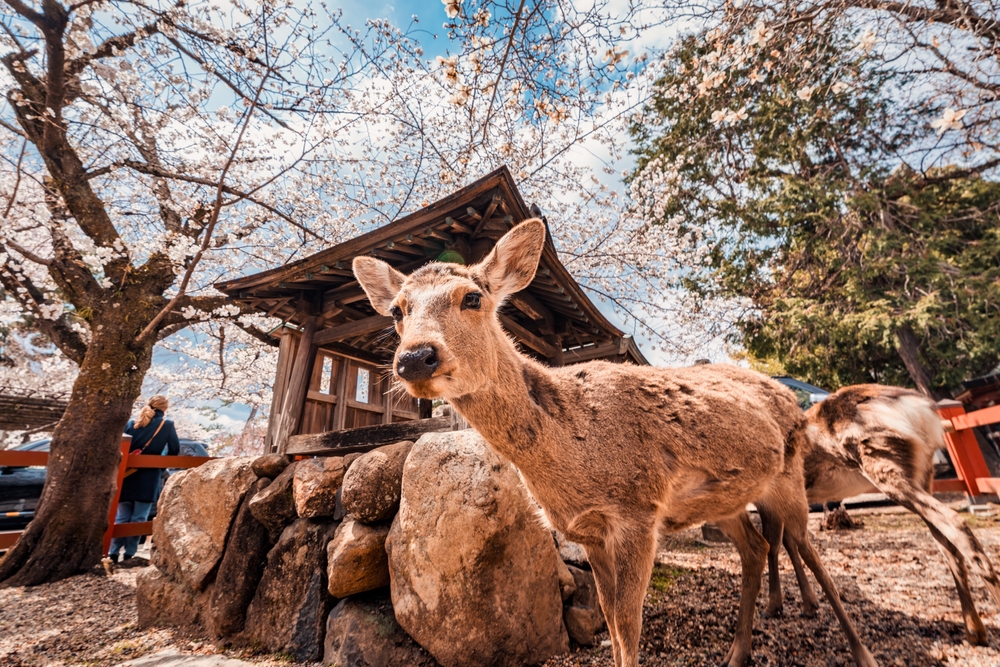
Short fences and decorative barriers don’t slow deer down at all. Deer can easily jump fences under eight feet tall, especially when motivated by food. Gaps, open gates, or poorly secured fencing signal easy access. Some homeowners assume a single obstacle will discourage deer permanently, but deer quickly learn what they can overcome. If a barrier doesn’t present a real challenge, it becomes background scenery. Without proper fencing or deterrents, deer will wander in without hesitation.
7. Believing Deer Repellents Work Forever
Sprays, granules, and homemade repellents can help, but only when used correctly and consistently. Many people apply them once and expect long-term results. Rain, irrigation, and plant growth dilute repellents quickly. Deer also adapt and may tolerate mild scents over time. Rotating repellents and reapplying them regularly is crucial. When repellents fade, deer notice immediately. Inconsistent use teaches deer that patience pays off.
8. Creating Clear, Easy Travel Paths Through The Yard
Deer prefer efficient routes with minimal obstacles, and some yards unintentionally provide perfect pathways. Wide openings between shrubs, straight lines from woods to gardens, and uncluttered edges invite movement. When deer can enter, eat, and exit without effort, they’ll keep doing it. Landscaping that creates confusion or forces detours can reduce deer traffic. Dense plantings, varied textures, and strategic placement make deer think twice. Convenience plays a huge role in whether deer stick around.
9. Relying On Dogs Or Human Activity Alone
While dogs can deter deer, many deer learn schedules quickly. If a dog is indoors at night or only active during certain hours, deer adjust accordingly. Occasional human presence isn’t enough to scare them long-term. Deer watch patterns closely and exploit quiet windows. Once they realize there’s no consistent threat, fear disappears. Relying solely on activity without reinforcement gives deer the confidence to return.
10. Forgetting About Smell And Scent Signals
Deer rely heavily on scent, and yards filled with attractive plant aromas send strong signals. Fertilizers, mulch, and fresh plant growth all emit scents that draw deer in. At the same time, the absence of predator smells tells them the coast is clear. Without deterrent scents, deer feel safe lingering. Scent is often the first invitation they receive. Managing smell matters more than many homeowners realize.
11. Assuming Deer Will Eventually Get Bored
One of the biggest mistakes is believing deer will lose interest on their own. If food remains available, deer have no reason to leave. They are creatures of habit and will revisit successful feeding spots repeatedly. Each peaceful visit reinforces the idea that your yard is safe. Over time, multiple deer may start showing up. Waiting them out rarely works without changes.
Turning The Buffet Back Into A Backyard
Deer don’t mean to cause chaos—they’re just excellent opportunists with strong memories and bigger appetites than most gardens can handle. The good news is that small changes can dramatically reduce how appealing your yard feels to them. By understanding what draws deer in and what keeps them coming back, you can take control without giving up a beautiful landscape.
If deer have ever turned your hard work into a midnight feast, the comments section below is a great place to tell that story or add insights of your own.
You May Also Like…
Is Your Garden Wildlife-Friendly in December?
Why Your Garden Deserves Attention During the Holidays
Why Evergreen Shrubs Are Winter’s Secret Weapon in the Garden
10 Plants Deer Target More Often in Fall
Do You Know Which Plants Are Secretly Poisonous in Your Backyard?

Brandon Marcus is a staff writer for FrugalGardening.com at District Media, Inc., where he delivers practical gardening advice with a relatable, no-nonsense style. An avid amateur gardener, he holds a BA degree and with over ten years of professional writing experience, he is also an award-winning published author whose first book, Questions For Deep Thinkers, was released by Adams Media. His work has appeared in major publications including Fandom.com, CHUD.com, TheColdWire.com, and Fansided.com.
Leave a Reply