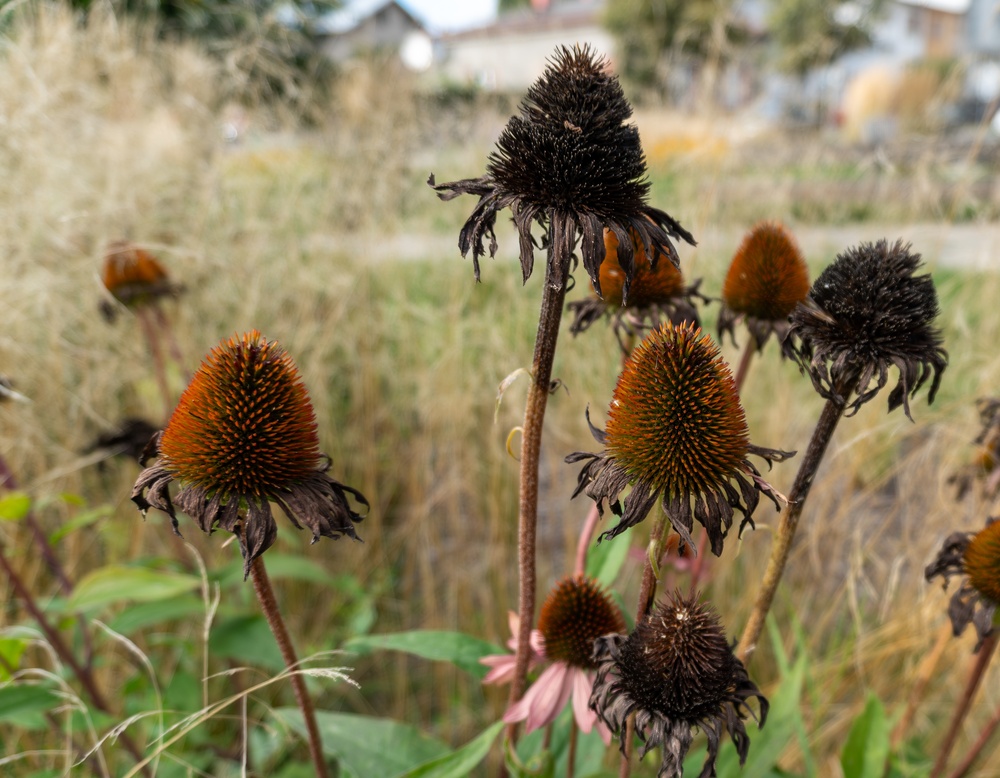
The flower may look finished, but the gardening value might not be finished at all. Those crispy brown flower heads hanging from your plants can contain perfectly good seeds that you can collect, store, and use to grow another round of flowers next year without buying another packet.
Seed saving turns one season of flowers into next season’s planting material, which makes it one of the simplest ways to stretch a gardening budget. It also gives gardeners a chance to preserve favorite plants, experiment with different locations, and enjoy the oddly satisfying feeling of getting something useful out of what looks like garden debris.
Let Those Ugly Flower Heads Hang Around
Resist the urge to cut every spent flower the moment it loses its sparkle, because many plants need time to develop mature seeds after blooming ends. Zinnias, marigolds, cosmos, calendula, sunflowers, coneflowers, and many other flowers can produce seeds that you can collect once the flower heads dry. The best candidates usually develop a visibly dry, brown, papery, or otherwise mature seed head rather than simply collapsing after the petals disappear.
That dried appearance actually helps gardeners, because mature seeds often separate more easily from the flower head. Pick a dry day for harvesting, especially after several rain-free days, since damp plant material can encourage mold during storage. A little patience here can turn something destined for the compost pile into a tiny package of future flowers.
Know Which Seeds Are Worth Saving
Not every flower makes a good candidate for seed saving, and hybrids can make the results especially unpredictable. Seeds from hybrid varieties may produce plants that look different from the parent plant, while open-pollinated varieties generally offer more predictable results when gardeners save and replant their seeds. That does not make hybrid seeds useless, but it does mean the next generation might surprise you with different flower colors, shapes, sizes, or other traits.
Cross-pollination can create another wrinkle, particularly when gardeners grow several related varieties close together. Bees and other pollinators can move pollen between plants, so saved seeds may produce something different from the flower that originally caught your eye. For gardeners who enjoy surprises, that can become part of the fun, but anyone trying to preserve a very specific variety should research that plant’s pollination habits before collecting a large stash.
Harvest Seeds Without Making a Mess
Start by holding a fully dried flower head over a clean bowl, paper bag, or sheet of paper and gently breaking it apart with your fingers. Look for the actual seeds rather than assuming every bit of dried plant material counts, because petals, stems, chaff, and other debris can easily sneak into the collection. Larger seeds usually stand out, while tiny flower seeds may require closer inspection and a bit more patience.
Label each collection immediately with the plant name and, if known, the variety and year of collection. That little note can save considerable head scratching later when several mysterious envelopes start appearing in a drawer. Keep different flowers separate, because a mystery seed collection sounds charming in September and becomes considerably less charming when planting time arrives.
Dry Storage Can Protect Your Free Garden Supplies
Seeds need cool, dry storage, so let freshly collected seeds finish drying thoroughly before placing them in an envelope, paper packet, or other breathable container. Avoid sealing seeds while they still contain moisture, because trapped moisture can encourage mold and reduce their ability to germinate later. A labeled paper envelope tucked inside a dry storage container can provide a simple home for many kinds of saved flower seeds.
Keep the collection away from heat, humidity, and direct sunlight, all of which can shorten seed longevity. A kitchen counter beside a sunny window may look convenient, but a consistently cool, dry, dark location usually makes a better seed cupboard. Before planting next season, inspect the seeds and discard anything that shows obvious mold, insect damage, or other signs of deterioration.
A Few Free Seeds Can Change the Spring Shopping List
Saving seeds does not mean buying flower seeds will disappear from the gardening budget forever, but it can reduce how many packets a gardener needs each year. A gardener who saves seeds from reliable annuals can gradually build a personal collection suited to the conditions in the yard. That becomes especially useful when a favorite flower performs beautifully and produces plenty of seed before the season ends.
There is also a practical advantage beyond the price tag, because saved seeds can encourage gardeners to pay closer attention to which plants perform well in their own gardens. Maybe the tallest zinnias handle a particular sunny corner beautifully, or a certain marigold produces flowers long after another variety gives up. Saving seeds creates a record of those successes, turning next spring’s planting into less of a shopping trip and more of a continuation of the garden already growing outside.
Leave the Garden With Something to Give Back
Dead flower heads can look like the garden has packed up for the year, but they often still hold seeds, food for birds, and useful habitat for insects. Gardeners do not need to harvest every seed head, either, because leaving some flowers standing can add winter interest and provide resources for wildlife. A garden can serve several purposes at once, and seed saving simply adds another useful layer.
The smartest approach involves choosing a few healthy plants with desirable traits, letting their flowers mature, and collecting the seeds once the heads dry. Store those seeds carefully, label them clearly, and treat the experiment as a low-cost gardening adventure rather than a guarantee that every seed will produce an identical plant. Next spring, those humble little seeds may turn a handful of dried flower heads into a fresh display without another trip down the garden-center aisle.
Which flowers do you save seeds from each year, and have any of your saved seeds produced a surprising favorite?
You May Also Like…
A Practical Guide to August Pruning Mistakes That May Cost You Next Year’s Flowers
7 Flowers to Direct-Sow Now for Early Color Next Year
8 Plants That Add Structure After Summer Flowers Begin Fading
8 Edible Flowers That Can Bridge the Gap Between Summer and Fall
Are Night-Blooming Flowers Worth Adding to a Small Yard?

Brandon Marcus is a staff writer for FrugalGardening.com at District Media, Inc., where he delivers practical gardening advice with a relatable, no-nonsense style. An avid amateur gardener, he holds a BA degree and with over ten years of professional writing experience, he is also an award-winning published author whose first book, Questions For Deep Thinkers, was released by Adams Media. His work has appeared in major publications including Fandom.com, CHUD.com, TheColdWire.com, and Fansided.com.
Leave a Reply