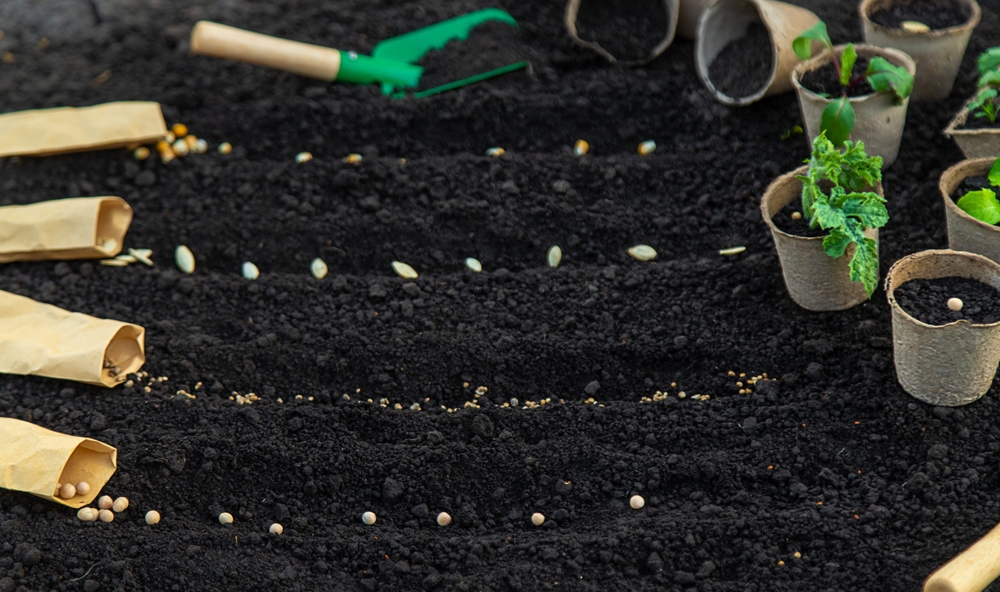
If you’ve ever wandered through a garden center in spring, it’s easy to get swept up in rows of lush, ready-to-plant seedlings. They look healthy, they promise instant results, and they feel like a shortcut to a thriving garden. But here’s the thing: those pre-grown starts can quietly drain your wallet and limit your gardening potential in ways you might not expect.
What if you could grow stronger plants, save money, and have way more variety—all for about two bucks? Once you see what’s really going on behind those nursery trays, you might never buy them again.
1. Pre-Grown Starts Are Way More Expensive Than You Think
Pre-grown starts often seem affordable at first glance, but the cost adds up fast when you’re planting a full garden. A single tomato plant can cost $4 to $6, while a packet of seeds for the same variety might cost just $2 and produce dozens of plants. That price difference becomes huge when you’re growing multiple crops like peppers, herbs, and greens. Over time, buying starts every season can easily cost you $50 to $100 more than growing from seed. If saving money gardening is your goal, this is one of the quickest ways to cut expenses without sacrificing results.
2. Store-Bought Starts Can Be Weaker Than Homegrown Plants
It might sound surprising, but those big, leafy starts at the store aren’t always the healthiest choice. Many are grown quickly in controlled greenhouse conditions, which means they haven’t faced real-world stress like wind, temperature swings, or inconsistent watering. When you bring them home, they often struggle to adjust, leading to transplant shock or stunted growth. Seed-grown plants, on the other hand, adapt early to your environment and tend to develop stronger root systems. If you want resilient plants that thrive long-term, starting from seed gives you a serious advantage.
3. You Get Way Less Variety With Nursery Plants
Walk into most garden centers, and you’ll notice the same handful of plant varieties repeated everywhere. You might find basic tomatoes, common herbs, and a few peppers—but that’s about it. When you grow from seed, your options explode into hundreds of unique varieties, including heirloom, rare, and region-specific plants. This means better flavors, more interesting harvests, and the ability to grow exactly what you love. Saving money gardening isn’t just about cost—it’s also about getting more value and enjoyment from your effort.
4. Seeds Give You More Plants for Practically Nothing
One of the biggest advantages of seeds is the sheer volume you get for such a small investment. A $2 packet can produce anywhere from 20 to 200 plants depending on the crop, which is something no nursery tray can compete with. Even if only a portion of your seeds germinate, you’re still coming out far ahead financially. You can also succession plant, meaning you stagger your planting for continuous harvests throughout the season. That kind of abundance is nearly impossible when you’re relying on pre-grown starts.
5. Starting From Seed Is Easier Than You Think
A lot of people avoid seeds because they assume it’s complicated or time-consuming, but that’s mostly a myth. With a basic setup—some containers, potting mix, water, and sunlight—you can get started in a single afternoon. Many beginner-friendly crops like lettuce, beans, and zucchini germinate quickly and require minimal care. Even indoor seed starting can be simple with a sunny windowsill or an inexpensive grow light. Once you try it, you’ll realize that saving money gardening doesn’t require expert skills—just a little patience.
6. The $2 Alternative: Seed Packets That Keep Giving
That humble $2 seed packet is honestly one of the best deals in gardening. Not only does it produce dozens of plants, but many seeds can be stored and used for multiple seasons if kept dry and cool. You can also learn to save seeds from your own plants, turning that one-time purchase into an ongoing supply. This creates a self-sustaining cycle that reduces your reliance on stores altogether. Over time, your garden becomes both cheaper and more productive, which is the ultimate win.
Grow Smarter, Spend Less, Harvest More
Once you step back and compare the costs, flexibility, and long-term benefits, the choice becomes pretty clear. Pre-grown starts may offer convenience, but they come with higher prices, limited variety, and weaker adaptability. Seeds, on the other hand, give you control, abundance, and a much better return on your investment. If your goal is saving money gardening while growing healthier, more diverse plants, starting from seed is the smarter move. Plus, there’s something deeply satisfying about watching a plant grow from nothing into something you can harvest and enjoy.
Have you ever tried growing from seeds instead of buying starts, or are you thinking about making the switch this season? Share your experience in the comments!
You May Also Like…
The Local Library Secret: How to Get Your Seeds for Free This Year
Why Smart Gardeners Buy Seeds in Bulk (And How to Store Them for Decades)
How to Get 50 Gallons of Fertilizer for the Price of a Packet of Seeds
5 DIY Bird Deterrents That Protect Seeds and Seedlings
How to Start Seeds Indoors on a Tight Budget Without Wasting Money

Brandon Marcus is a staff writer for FrugalGardening.com at District Media, Inc., where he delivers practical gardening advice with a relatable, no-nonsense style. An avid amateur gardener, he holds a BA degree and with over ten years of professional writing experience, he is also an award-winning published author whose first book, Questions For Deep Thinkers, was released by Adams Media. His work has appeared in major publications including Fandom.com, CHUD.com, TheColdWire.com, and Fansided.com.
Leave a Reply