December might seem like the month where your garden finally goes to sleep and gives you permission to ignore it until the new year—but that’s exactly why so many homegrowers get blindsided in spring. While everyone else is sipping cocoa and pretending their yard doesn’t exist, the gardeners who stay one step ahead are quietly setting themselves up for stronger plants, bigger harvests, and a garden that practically leaps to life once the weather warms. December isn’t a downtime month; it’s a secret advantage month. And the best part?
These overlooked tasks are surprisingly easy, surprisingly fun, and wildly satisfying—like giving your future garden a head start while the rest of the world is distracted by gift wrap and holiday lights.
Let’s dig into the 12 December jobs most homegrowers forget—but absolutely shouldn’t.
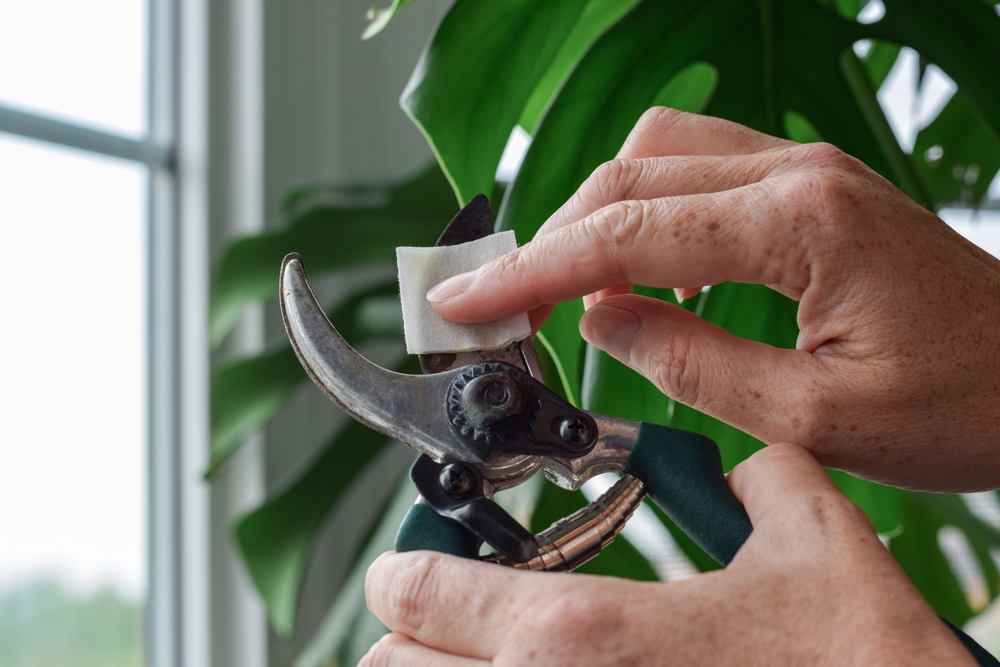
1. Clean And Sharpen Your Garden Tools
Most gardeners don’t realize that dull, dirty tools actually damage plants and make chores harder. December is the perfect time to scrub off soil, remove rust, and give everything a sharp edge. Clean pruners make cleaner cuts, which means healthier branches and faster healing in spring. Sharpening your tools also makes you more efficient and reduces strain on your hands. A quick oiling afterward keeps them rust-free and ready for action when the growing season returns.
2. Check And Refresh Mulch Levels
Mulch isn’t just for aesthetics—it’s insulation, moisture control, and pest protection all rolled into one. December is the month when falling temperatures threaten root systems, and mulch acts like a warm blanket. Many gardeners forget that heavy winds and rains can thin mulch without them noticing. Adding a fresh layer keeps the soil temperature stable and protects tender perennials. It also helps maintain moisture during dry winter spells, reducing plant stress.
3. Plant Garlic Before The Soil Freezes
Garlic quietly thrives under winter soil, but only if it goes into the ground before everything turns rock-solid. December is often your last chance to get it planted in many regions. The cloves settle in, develop roots, and burst into strong growth as soon as spring arrives. Forgetting this window means waiting an entire year for your next homegrown garlic harvest. With just a few minutes of prep, December garlic planting pays off big by midsummer.
4. Protect Young Trees And Shrubs From Winter Damage
Harsh winter winds, nibbling wildlife, and fluctuating temperatures can wreak havoc on young trunks and branches. Wrapping tree bases with protective sleeves or burlap shields them from cracking and frost damage. Homegrowers often overlook this until they notice bark splitting or branches drooping in January. Adding simple guards can also deter rabbits and deer that feast when food is scarce. A few minutes of protection now can save years of growth later.
5. Bring Delicate Pots Closer To The House
Potted plants are far more vulnerable to cold than plants rooted in the ground. December is the ideal time to shift them to sheltered areas where heat radiates from your home. Many gardeners forget how much protection a wall or overhang can provide during winter snaps. Even hardy plants appreciate the reduced wind exposure and slightly warmer microclimate. Your pots will thank you with fresher growth come spring.
6. Inspect And Improve Soil Health
Winter is soil-repair season, even though most people ignore it completely. December is perfect for adding compost, adjusting pH, and improving structure because the materials break down slowly over winter. By spring, the soil is richer and more workable, saving you from frantic amendments during planting madness. Many home growers skip this step and wonder why their plants struggle later. Treat December as the month your soil quietly transforms behind the scenes.

7. Water Evergreens During Dry Spells
Evergreens never fully go dormant, so they need consistent moisture even in cold months. Homegrowers often assume snow or frost is enough, but winter dryness can severely dehydrate these plants. Giving them a deep watering on mild days prevents browning and dieback. Proper hydration also helps protect them from winter burn caused by freezing winds. December is a crucial period to keep evergreens as healthy as they look.
8. Prune Diseased Or Damaged Branches
Winter reveals imperfections that summer foliage hides. December is a great time to remove dead, broken, or diseased branches before snow and ice make them hazardous. Pruning now also stops diseases from spreading into the new year. Many gardeners mistakenly wait until spring when damage is harder to distinguish. Quick winter pruning leads to stronger, safer, and healthier growth all season long.
9. Clean Out Old Containers And Seed Trays
It’s easy to shove used pots into a corner and forget about them until planting season sneaks up. But December is the perfect month to wash and sanitize containers before storage. This prevents fungus, pests, and old soil pathogens from following you into spring. Clean trays also make seed-starting smoother and more successful. A little prep now saves frustration and plant loss later.
10. Start Planning Next Year’s Garden Layout
Winter planning feels cozy, creative, and wildly productive all at once. December is when seed companies release fresh catalogs, and your imagination is at its peak. Thinking through new beds, crop rotation, and upcoming projects gives you a clear head start. Gardeners who skip this step often make rushed decisions in spring. Planning now helps ensure smarter spacing, better yields, and a garden design that works instead of overwhelming.
11. Harvest And Dry Herbs You Forgot About
Many hardy herbs—like thyme, rosemary, and sage—are still perfectly harvestable in December. Most home growers don’t realize they can collect these fresh flavors long after the rest of the garden has retired. Drying or freezing them now means your pantry stays stocked with homegrown herbs all winter. It’s an easy task that feels like a bonus harvest. Plus, trimming herbs lightly in winter encourages healthier, fuller growth when spring arrives.
12. Check For Garden Pests Hiding Over Winter
Winter doesn’t eliminate pests; it just sends them into hiding. December is the month to check under pots, in mulch layers, around tree bases, and along shed walls for overwintering insects. Catching pest nests early prevents spring infestations before they explode. Many gardeners forget this step and end up battling preventable problems later. A quick winter walkthrough can make a huge difference in your garden’s future health.
Don’t Let December Slip By
December may not look like a gardening month, but it’s packed with small opportunities that set the stage for your best growing season yet. These often-overlooked tasks are simple, satisfying, and incredibly rewarding when spring finally rolls around. By giving your garden a little attention now, you’re giving your future self healthier plants, richer soil, and fewer headaches.
What December gardening tasks do you swear by—or tend to forget? Share your stories, ideas, or tips in the comments below.
You May Also Like…
The Foolproof Way to Keep Potted Plants Alive All Winter
5 Winter Prep Mistakes Gardeners Always Regret
7 Native Shrubs to Plant Before the Ground Freezes
12 Garden Chores You Can’t Skip in November
The Right Way to Seal and Insulate Your Compost Pile for Winter

Brandon Marcus is a staff writer for FrugalGardening.com at District Media, Inc., where he delivers practical gardening advice with a relatable, no-nonsense style. An avid amateur gardener, he holds a BA degree and with over ten years of professional writing experience, he is also an award-winning published author whose first book, Questions For Deep Thinkers, was released by Adams Media. His work has appeared in major publications including Fandom.com, CHUD.com, TheColdWire.com, and Fansided.com.
Leave a Reply