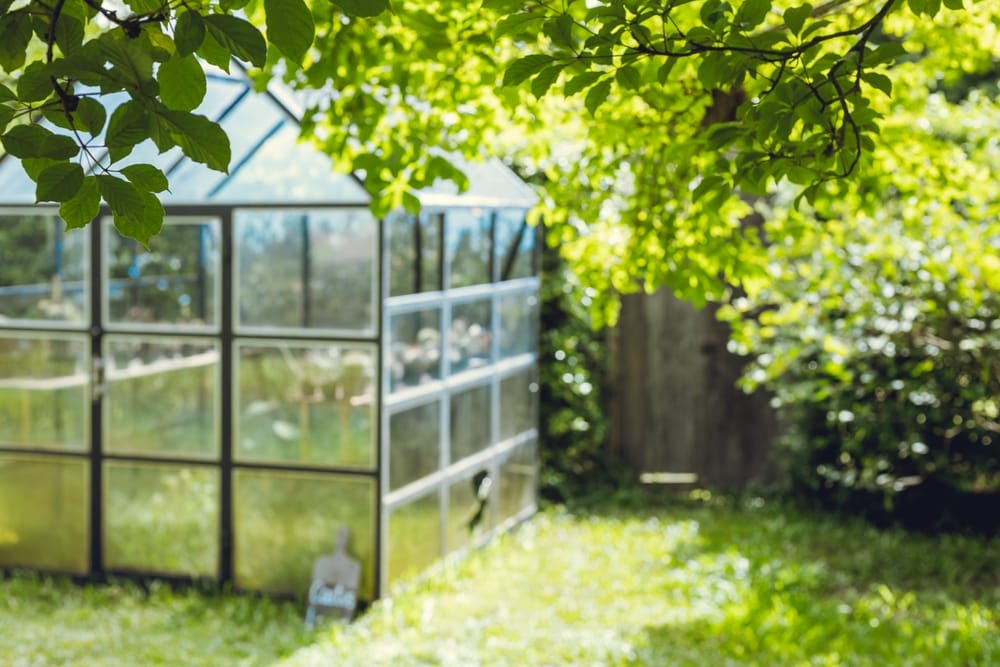
Your garden might not come with a power button, but every seasoned grower knows there’s a point in the year when it needs a well-deserved cooldown. Maybe the weather’s changing, maybe life’s getting hectic, or maybe you simply want your yard to stop demanding attention like a thirsty toddler. Whatever the reason, there is a way to let your garden slip into a gentler, low-maintenance rhythm without abandoning it to the wild.
The trick isn’t to do nothing—it’s to do just enough of the right things so your plants survive, reset, and even thrive while you take a breather. Get ready, because “rest mode” is about to become your new favorite gardening feature.
Understanding What “Rest Mode” Really Means
Garden rest mode isn’t about letting everything shrivel up and hope for the best. It’s about giving your plants a structured break so they can store energy, repair, and reset for the next big growing cycle. This downtime mimics what happens naturally in ecosystems, where plants slow their metabolism and conserve resources. When you guide your garden into this state intentionally, you prevent disease, protect the soil, and avoid surprise disasters later. Think of it like giving your garden a spa retreat instead of putting it into retirement.
Prepping Your Soil For Seasonal Snoozing
Before your garden can kick back, the soil needs some love. Healthy soil is the foundation of every thriving garden, and rest mode is the perfect moment to boost its vitality. Adding compost, mulch, or organic matter now helps microorganisms work behind the scenes all season long. These tiny helpers break down nutrients, enrich the structure, and prime the ground for next year’s growth. With just a little attention, the soil keeps improving even while the plants are chilling.
Cutting Back Without Cutting Corners
Trimming your plants isn’t optional—it’s essential. Removing dead stems, dying leaves, and overgrown branches helps plants direct energy toward roots instead of wasted foliage. It also keeps pests and diseases from creeping into weakened areas, which can wreak havoc when you’re not watching closely. Strategic pruning ensures your garden looks tidy even when it’s technically “resting.” Five minutes with a pair of clippers today can save you hours of cleanup when things wake up again.
Mulching: The Ultimate Garden Blanket
Mulch does more than make your garden look beautifully finished. It insulates the soil, maintains moisture, smothers weeds, and keeps temperature swings from stressing your plants. Think of it like tucking your garden in with a thick, cozy comforter that keeps everything stable. As it breaks down, mulch also improves the soil’s texture and nutritional profile. A single layer applied now becomes the gift that keeps on giving for months.
Choosing The Right Plants To Chill Out
Some plants slide into rest mode with zero complaints, while others need a little handholding. Perennials generally appreciate the break because it allows them to store energy and prepare for next year’s blooming cycle. Annuals, on the other hand, might be ready to bow out gracefully, freeing you to focus on longer-lasting additions. Knowing which plants respond well to rest mode helps you prioritize care where it counts. When you understand your plants’ personalities, you can plan your maintenance with far less stress.
Watering Just Enough—But Not Too Much
You don’t want to drown your garden, but you also don’t want to send it into a drought spiral. Even during rest mode, plants still need occasional moisture to stay healthy underground. Reduced watering forces them to toughen up, deepen their roots, and stabilize their natural rhythms. A light, consistent approach keeps them nourished without overworking the soil. This gentle balance ensures your plants stay alive, alert, and ready to burst back when the time is right.

Giving Wildlife A Friendly but Controlled Invitation
A resting garden becomes a hotspot for wildlife—sometimes the cute kind, sometimes the “please leave immediately” kind. Leaving a little debris or seed heads can actually help beneficial insects and birds get through slower months. But you must balance this with smart cleanup to discourage rodents, pests, and diseases from settling in. The goal is to create a sanctuary, not a pest resort. A few intentional choices can turn your quiet garden into an eco-friendly rest area without losing control of the ecosystem.
Keeping an Eye on Things Without Hovering
Rest mode doesn’t release you from all responsibility—it just changes your role. Instead of actively cultivating, you become a gentle observer. A quick walk-through once a week can reveal early signs of trouble like fungi, pests, or drainage issues. Catching small problems early keeps them from becoming big headaches later. Remaining watchful but relaxed is the secret to a drama-free garden rest phase.
Protecting Your Garden From the Elements
Rest mode often lines up with harsh weather, so protection becomes part of the plan. Simple covers, windbreaks, or frost cloths can shield vulnerable plants from extreme temperatures. Containers can be relocated, raised beds can be reinforced, and delicate species can be given extra insulation. Preventing weather-related damage now means you’ll avoid heartbreaking losses when things warm back up. The right protection lets your garden rest securely instead of shivering through the season.
Planning For Your Garden’s Big Return
Rest mode isn’t the end—it’s the warm-up for your next big gardening adventure. While your plants and soil recharge, you can dream, research, and plan for the upcoming season. This pause gives you a chance to reflect on what worked, what didn’t, and what new experiments you want to try. Putting thought into your next steps ensures you hit the ground running when your garden wakes up. It’s the ideal time to imagine a more vibrant, organized, and thriving space.
Give Your Garden a Break—Without Abandoning It
Putting your garden on rest mode doesn’t mean walking away and hoping for the best. It means creating the perfect balance of care, observation, and strategic prep so your plants recharge safely. With the right approach, rest mode becomes a powerful tool that makes your garden healthier, easier to manage, and more resilient.
Now that you know how to do it, what rest mode tricks have you tried—or what disasters have you survived? Share your thoughts, stories, or garden adventures in the comments section for others.
You May Also Like…
6 Garden Pests That Hibernate in Your Soil
Why Rodent Populations Spike in Autumn Gardens
Why Garden Nets Can Protect Late Crops
Why Gardeners Should Track Soil Temps in Autumn
10 Garden Structures Worth Building in Cooler Weather

Brandon Marcus is a staff writer for FrugalGardening.com at District Media, Inc., where he delivers practical gardening advice with a relatable, no-nonsense style. An avid amateur gardener, he holds a BA degree and with over ten years of professional writing experience, he is also an award-winning published author whose first book, Questions For Deep Thinkers, was released by Adams Media. His work has appeared in major publications including Fandom.com, CHUD.com, TheColdWire.com, and Fansided.com.
Leave a Reply