
Winter mornings have a certain crisp magic to them, and for farmers and gardeners, that magic isn’t just in the air—it’s in the food. Some crops, when kissed by frost, seem to transform from ordinary to extraordinarily sweet. It’s not a trick or a marketing gimmick; it’s science.
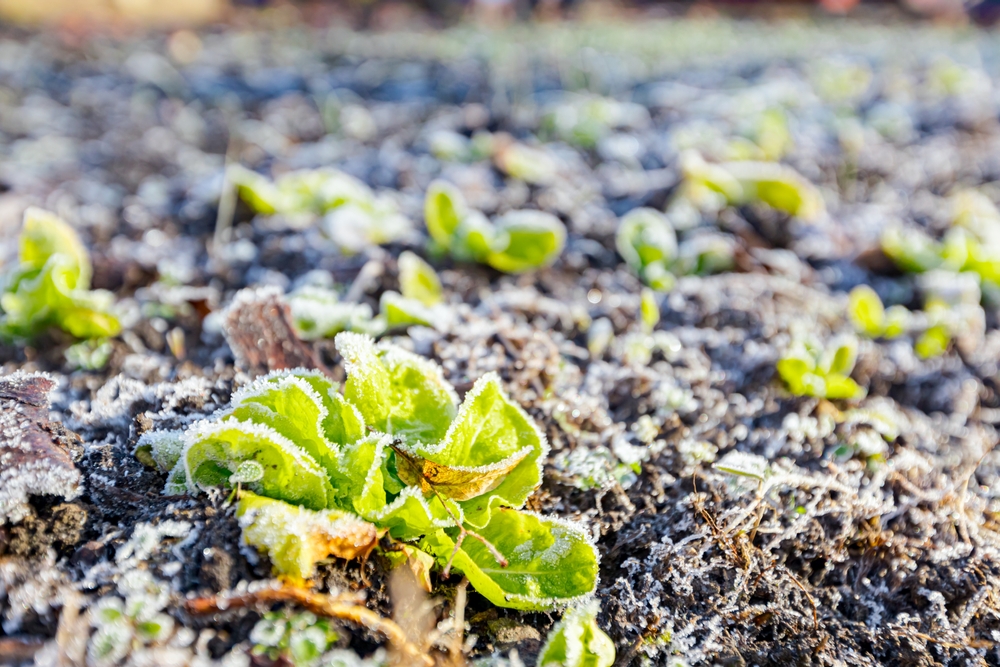
Frost tolerant crops like kale, carrots, and Brussels sprouts often taste sweeter after cold snaps, and the reasons are both fascinating and delicious. Understanding why can change the way you think about winter produce and maybe even make you look forward to the first frost.
Plants Respond To Cold By Converting Starch To Sugar
One of the biggest reasons frost tolerant crops taste sweeter is their biochemical response to cold temperatures. When temperatures drop, plants convert stored starches into simple sugars. This natural process acts like an internal antifreeze, protecting the plant’s cells from damage by lowering the freezing point of their fluids. For humans, those sugars are exactly what we perceive as sweetness. So that frosty carrot you just pulled from the ground isn’t just surviving—it’s actively becoming tastier.
Frost Tolerance Comes With Chemical Adaptations
Crops that survive cold weather have evolved special adaptations that go beyond sugar conversion. They produce certain proteins and other compounds that stabilize cell walls and membranes during freezing. Some of these compounds also influence flavor, adding subtle, rich undertones to the natural sweetness. This chemical cocktail ensures the plant not only lives through frost but also develops a flavor profile that feels more complex. In essence, the frost acts like a flavor enhancer rather than a threat.
Slower Growth Enhances Flavor Development
Cold weather slows the growth rate of frost tolerant crops, which might sound like a disadvantage at first. However, slower growth gives the plant more time to develop its sugars and flavor compounds. Rapid growth in warmer seasons can dilute flavors, leaving vegetables and greens tasting bland or watery. In contrast, frost slows metabolism just enough to concentrate taste. This is why late-season kale or spinach often has a depth of flavor that early-season greens can’t match.
Frost Can Reduce Bitterness In Certain Crops
Some frost tolerant crops have naturally bitter compounds, like glucosinolates in kale and Brussels sprouts. Exposure to cold temperatures can reduce these bitter compounds while enhancing sweetness. The plant prioritizes survival over defense, so it converts bitterness into sugars as a protective mechanism. This chemical shift makes winter vegetables more palatable and enjoyable. Gardeners often report that frost-kissed greens are not only sweeter but also milder and smoother in taste.
Environmental Stress Boosts Nutrient Density
Cold stress isn’t just about flavor—it also affects nutrition. When crops experience frost, they often increase the concentration of antioxidants and other protective nutrients. These compounds not only help the plant survive but also improve the health benefits for humans. In other words, that frosty carrot isn’t just sweeter—it’s also a powerhouse of vitamins and minerals. Stress, it seems, isn’t always bad, at least in the plant kingdom.
Timing And Harvest Influence Sweetness
The moment a crop encounters frost and the timing of harvest are crucial factors in how sweet it becomes. Farmers often wait until after a cold snap to harvest frost tolerant crops for maximum flavor. Harvesting too early means the sugars haven’t fully developed, while waiting too long can result in overly soft textures or other quality issues. This timing requires knowledge, experience, and sometimes a little luck with the weather. When done correctly, the result is a vegetable that is both crisp and bursting with natural sweetness.
Varieties Matter As Much As Weather
Not all crops respond to frost the same way, and genetics play a huge role. Some carrot, beet, and kale varieties are naturally more frost tolerant and sugar-responsive than others. Selecting the right variety can make the difference between a mediocre harvest and a sweet, flavorful bounty. Farmers and gardeners who understand both the environment and plant genetics can maximize sweetness even in challenging conditions. This combination of strategy and nature is part of what makes frost farming so fascinating.
Culinary Benefits Of Frost Sweetness
Chefs and home cooks have long appreciated the flavor boost that frost tolerant crops provide. Sweetened winter vegetables can be eaten raw, roasted, or lightly sautéed, offering a natural depth of flavor without additional seasoning. Frost-enhanced sweetness makes these crops versatile, adding complexity to salads, soups, and side dishes. It also encourages people to eat more seasonal vegetables during colder months. Essentially, frost isn’t just good for the plant—it’s a secret ingredient for culinary delight.
Celebrate The Frost
Frost tolerant crops are nature’s little flavor miracles. Through starch-to-sugar conversion, chemical adaptations, slowed growth, and stress responses, these hardy plants manage to survive harsh conditions while becoming sweeter and more nutritious. Next time you pull carrots, kale, or Brussels sprouts from your garden after a cold snap, remember that the frost is doing more than just testing your patience—it’s creating flavor magic.
Have you noticed the difference in taste after a frost? Share your experiences, stories, or favorite frost-kissed recipes in the comments section.
You May Also Like…
How to Save Dahlias and Cannas Before Frost Turns Them to Mush
Why Frost Blankets Are Worth the Investment
8 Root Crops That Store Longer in a Cellar
Why Straw Mulch Beats Plastic for Protecting Winter Crops
How Frost Heaves Damage Roots in Winter

Brandon Marcus is a staff writer for FrugalGardening.com at District Media, Inc., where he delivers practical gardening advice with a relatable, no-nonsense style. An avid amateur gardener, he holds a BA degree and with over ten years of professional writing experience, he is also an award-winning published author whose first book, Questions For Deep Thinkers, was released by Adams Media. His work has appeared in major publications including Fandom.com, CHUD.com, TheColdWire.com, and Fansided.com.
Leave a Reply