The idea that gardening demands endless patience, perfect timing, and expert-level knowledge deserves a serious reality check. Plenty of crops out there practically refuse to fail, pushing through neglect, bouncing back from mistakes, and producing food like it’s their life mission. That stubborn resilience turns gardening from a nerve-wracking gamble into something closer to a laid-back side project that actually pays off. A thriving garden does not require a green thumb—it just needs the right plants.
Forget the intimidating charts, complicated schedules, and strict rules that make gardening feel like a science experiment gone wrong. Some crops grow fast, adapt easily, and forgive missed watering days without throwing a tantrum. These plants lean toward survival mode, meaning they keep going even when conditions aren’t perfect. The result? Fresh food with minimal effort and a growing sense of confidence that builds with every harvest. These five crops don’t just grow—they practically handle the job themselves.
1. Potatoes: The Underground Overachievers That Refuse to Quit
Potatoes bring serious overachiever energy to the garden, and they do it quietly underground without demanding constant attention. Toss a few seed potatoes into loose soil, cover them up, and they immediately get to work forming roots and shoots with impressive determination. They don’t need perfect soil conditions, and they tolerate a wide range of climates, which makes them one of the most forgiving crops around. Even gardeners who forget to water consistently still end up digging up a satisfying harvest. That kind of reliability feels almost unfair compared to fussier plants.
Once planted, potatoes mostly mind their own business, growing beneath the surface where pests and weather have less impact. As the plants grow taller, adding more soil around the base—called hilling—encourages even more potatoes to form. That single step boosts yield without adding complexity. A container, a bag, or a small garden bed all work perfectly fine, which means space limitations won’t hold this crop back. Potatoes don’t need fancy tools or techniques, just a bit of patience and a willingness to dig when the time comes.
Harvesting potatoes feels like a treasure hunt, and that excitement never gets old. Pulling up a plant reveals clusters of fresh potatoes hidden in the soil, often more than expected. That surprise factor makes the whole process feel rewarding even for beginners who didn’t expect much success. For anyone starting out, potatoes offer a near-guaranteed win and a solid boost of confidence.
2. Zucchini: The Plant That Won’t Stop Producing
Zucchini plants don’t just grow—they take over, and that works in favor of anyone looking for an easy harvest. Once established, these plants produce fruit at a rapid pace, often faster than expected. One or two plants can supply more zucchini than most households can keep up with, which speaks volumes about their productivity. They thrive in warm weather and don’t demand constant attention to keep producing. Even with basic care, zucchini keeps delivering.
These plants grow quickly from seed, which means results show up fast and keep motivation high. Large leaves spread out and shade the soil, helping retain moisture and reduce weeds without extra effort. Zucchini plants adapt well to different soil types, and they don’t need perfect conditions to succeed. Regular harvesting actually encourages even more production, turning a simple routine into a steady supply of fresh vegetables. Missing a day or two won’t ruin anything, but checking often ensures nothing grows oversized and tough.
Zucchini also brings versatility into the kitchen, which makes the payoff even better. Grilled, sautéed, baked, or spiralized into noodles, it fits into countless dishes. That flexibility keeps things interesting and prevents harvest fatigue from setting in. Anyone looking for a crop that delivers big results with minimal effort will find zucchini hard to beat.
3. Green Beans: Fast Climbers With Zero Drama
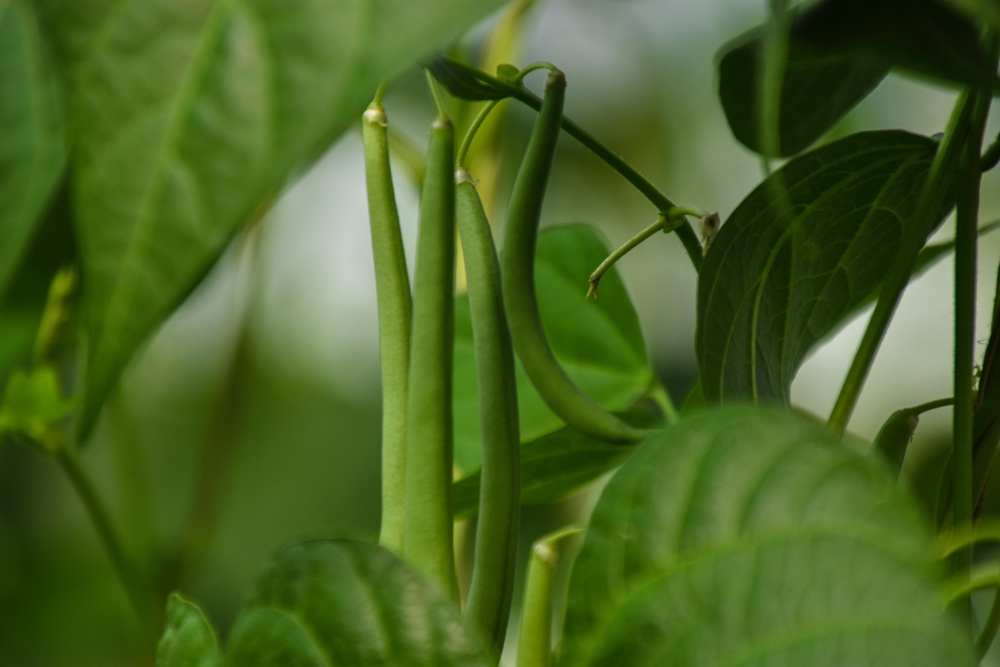
Green beans earn their spot on this list by combining speed, simplicity, and consistent output. Whether grown as bush beans or climbing pole beans, they adapt quickly and start producing within weeks. They don’t require complicated care routines, and they tolerate less-than-perfect soil surprisingly well. Once planted, they focus on growing and producing rather than demanding constant attention. That no-drama attitude makes them ideal for beginners.
Pole beans add a vertical element to the garden, climbing up trellises, fences, or even makeshift supports with ease. That upward growth saves space and creates a visually satisfying garden setup. Bush beans stay compact and work well in smaller spaces or containers, which makes them incredibly flexible. Both types produce generously, and frequent harvesting keeps the plants productive. That simple interaction builds a rhythm that feels easy to maintain.
Green beans also improve soil health by fixing nitrogen, which benefits other plants growing nearby. That built-in bonus means they contribute more than just food—they help create a healthier garden overall. With quick growth and dependable results, green beans deliver a smooth and rewarding gardening experience without unnecessary complications.
4. Mint: The Herb That Thrives on Neglect
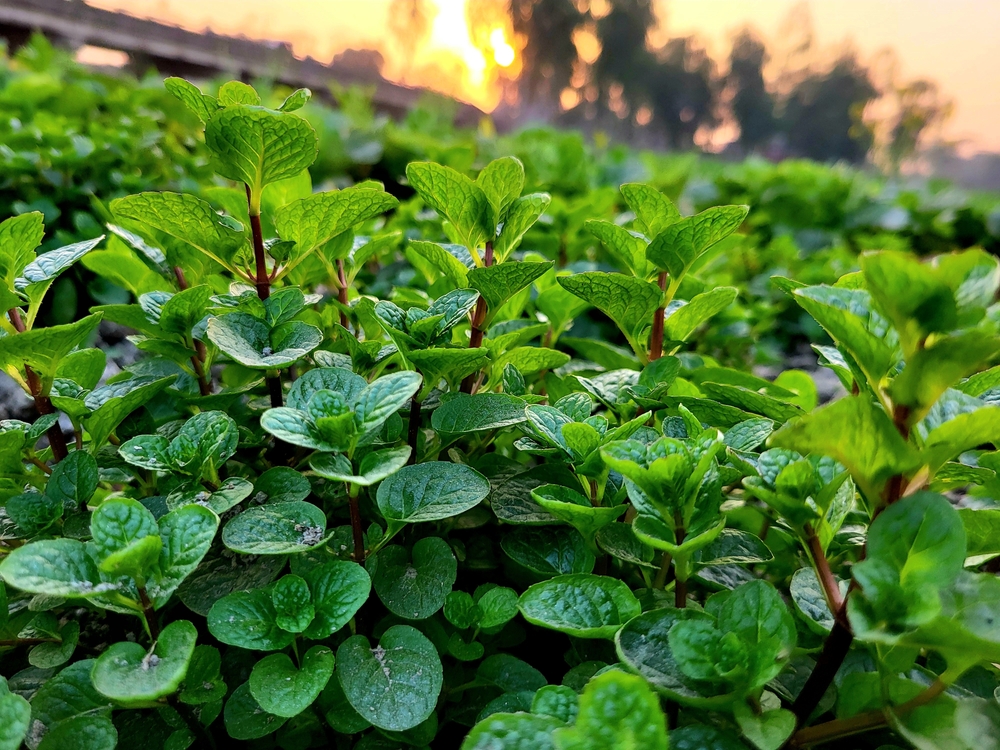
Mint operates on a completely different level of resilience, and it almost feels unstoppable once it gets going. This herb spreads quickly, grows vigorously, and tolerates a wide range of conditions without slowing down. It handles partial shade, inconsistent watering, and less-than-ideal soil with surprising ease. That adaptability makes it perfect for anyone who forgets regular care routines. Mint doesn’t just survive—it thrives.
Planting mint in a container keeps it from spreading too aggressively, which helps maintain control without limiting growth. Once established, it produces lush, fragrant leaves that can be harvested frequently. Regular trimming actually encourages fuller growth, turning a simple snip into a productivity boost. Even a small plant can supply plenty of leaves for teas, garnishes, and recipes. That steady availability adds convenience without extra work.
Mint’s refreshing flavor and versatility make it a standout addition to any garden. It enhances drinks, complements desserts, and adds a fresh kick to savory dishes. That usefulness ensures it won’t go to waste, even with its enthusiastic growth. For anyone looking for a plant that practically takes care of itself, mint stands out as a clear winner.
5. Cherry Tomatoes: Small Fruits, Big Payoff
Cherry tomatoes bring a burst of color, flavor, and reliability to any garden setup. These plants grow quickly and produce clusters of small, sweet tomatoes that ripen continuously throughout the season. They handle a range of conditions better than larger tomato varieties, which makes them more forgiving for beginners. With enough sunlight and occasional watering, they keep producing without constant supervision. That steady output makes them incredibly satisfying to grow.
Staking or caging helps support the plants as they grow, but beyond that, they don’t require much intervention. Cherry tomatoes resist common issues better than wider, larger varieties, which reduces frustration and increases success rates. Picking ripe tomatoes regularly encourages even more production, turning a simple task into a rewarding routine. That cycle keeps the plant productive and ensures a steady supply of fresh fruit.
The flavor payoff alone makes cherry tomatoes worth the effort—or lack of effort, in this case. They taste fresh, slightly sweet, and far better than most store-bought options. Snacking straight from the plant adds a level of satisfaction that store shelves can’t compete with. For a crop that combines ease, productivity, and flavor, cherry tomatoes deliver on every front.
The Lazy Gardener’s Secret Weapon Lineup
Gardening doesn’t need to feel like a test of skill or patience when the right crops take center stage. Potatoes, zucchini, green beans, mint, and cherry tomatoes all bring something special to the table, and none of them demand perfection to succeed. These plants grow fast, adapt easily, and produce generously, which turns even a hesitant beginner into a confident grower. Choosing crops that work with nature instead of against it makes all the difference.
Which of these easy growers sounds like the perfect fit for your space, and what’s stopping you from planting it this week? Share your thoughts, ideas, or even your gardening wins and fails in the comments.
You May Also Like…
5 Budget Vegetable Patch Designs for Small Yards
Why Some Residents Are Being Fined for Growing Vegetables in the Front Yard
6 Vegetables That Don’t Benefit From Expensive Soil Additives
How Frost Can Sweeten Certain Vegetables Overnight
The Vegetables You Can Still Plant Before the Deep Freeze

Brandon Marcus is a staff writer for FrugalGardening.com at District Media, Inc., where he delivers practical gardening advice with a relatable, no-nonsense style. An avid amateur gardener, he holds a BA degree and with over ten years of professional writing experience, he is also an award-winning published author whose first book, Questions For Deep Thinkers, was released by Adams Media. His work has appeared in major publications including Fandom.com, CHUD.com, TheColdWire.com, and Fansided.com.
Leave a Reply