
You’ve watered, fertilized, and given your plants plenty of sunshine—yet something still feels off. Growth is slow, roots seem cramped, and your once-thriving greenery looks like it’s hit a wall. The secret, believe it or not, isn’t in the leaves or the soil mix—it’s hiding underground in the roots.
Enter root pruning, the little-known hack that can turn sluggish plants into unstoppable growing machines. Let’s dig deep into why snipping roots just might be the boldest gardening move you’ll ever make.
What Exactly Is Root Pruning?
Root pruning is the deliberate trimming of a plant’s roots to encourage stronger, healthier growth. Instead of letting roots spiral endlessly in a pot or choke themselves in the ground, pruning forces them to branch out. This creates a dense, fibrous root system capable of sucking up more water and nutrients. Think of it like a workout for roots—cutting back actually makes them stronger. It may sound counterintuitive, but this technique is used by master gardeners, bonsai artists, and orchard growers worldwide.
Why Plants Need It More Than You Think
Over time, roots can become tangled, bound, or even strangle the plant itself. When that happens, growth stalls, leaves yellow, and fruit production tanks. Root pruning breaks the cycle and gives the plant a chance to reset. It keeps roots from circling endlessly in pots, which is especially common in container gardening. With healthier, more efficient roots, plants can push out lusher leaves, more vibrant flowers, and stronger stems.
The Container Garden Game-Changer
If you’re a container gardener, root pruning could become your new best friend. Pots limit the amount of space roots have to grow, leading to root-bound plants that suffocate themselves. By pulling a plant out, trimming the roots, and repotting it, you refresh its entire life cycle. Gardeners report dramatic growth spurts after giving container plants this treatment. Instead of buying bigger pots, you’re giving the plant the space it needs in the same container—saving you money and space.
The Bonsai Connection
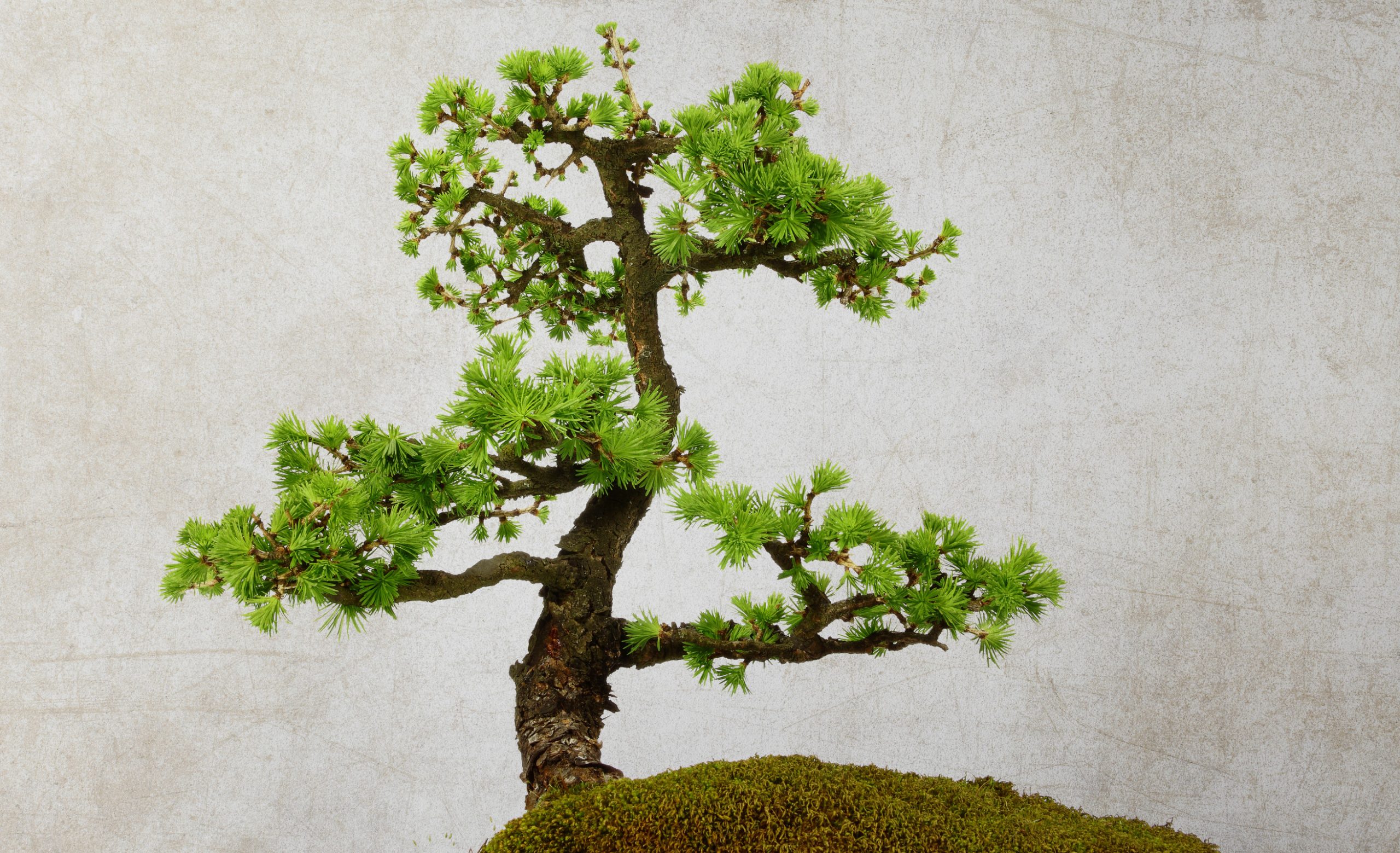
Bonsai growers have known this hack for centuries. To keep trees tiny yet thriving, they carefully prune roots to control growth while promoting vigor. Without pruning, bonsai would outgrow their containers in no time and lose their delicate form. By snipping roots, they not only preserve size but also keep trees resilient and long-lived. This same principle, when applied to regular plants, can create that same supercharged effect.
How to Root Prune Safely
The first step is gently removing the plant from its container or carefully digging around it if it’s in the ground. Look for circling, tangled, or overly dense roots and snip back about one-third with clean, sharp scissors or pruners. Don’t panic if it looks drastic roots are tougher than you think. After trimming, repot the plant in fresh soil or replant it in the ground with some compost. Water thoroughly to help the roots settle back in, and watch as new, healthier roots begin to sprout.
Timing Is Everything
Just like with pruning branches, timing matters when trimming roots. The best time is usually early spring or just before the active growing season kicks off. This way, the plant has the energy and warmth it needs to bounce back quickly. Avoid pruning during extreme heat or deep winter dormancy, when plants are most vulnerable. When done at the right time, recovery is swift and the results are nothing short of jaw-dropping.
Benefits You’ll Notice Fast
After root pruning, plants often respond with a burst of energy. Leaves look greener, stems grow sturdier, and flowers or fruits arrive more abundantly. Because roots absorb water and nutrients more efficiently, you’ll likely see less wilting and fewer signs of stress. Your plants may even need less frequent watering since the roots are more effective. It’s like hitting the reset button on their entire growth cycle.
Mistakes to Avoid
While root pruning is powerful, it’s not something to do carelessly. Cutting back too much can shock or even kill a plant. Always use sterilized, sharp tools to prevent disease, and avoid tearing roots by hand. Don’t forget to refresh the soil afterward, since tired soil won’t give trimmed roots what they need to rebound. Finally, give the plant extra TLC in the days following—shade, consistent moisture, and a little patience go a long way.
Root Pruning for Fruit Trees
This hack isn’t just for potted plants—it’s also a powerhouse for fruit trees. Orchard growers prune roots to control size, boost fruiting, and even make harvesting easier. By limiting root spread, trees devote more energy to producing fruit rather than just shooting out endless branches. The result is sweeter, bigger harvests without overgrown, unmanageable trees. For backyard growers, this trick can transform a modest tree into a fruit factory.
Ready to Snip for Success?
Root pruning may seem radical, but it’s one of the smartest gardening hacks out there. By trimming what you can’t see, you give your plants the power to grow stronger, healthier, and more productive. Whether you’re growing tomatoes in a pot, tending to bonsai, or managing a fruit tree, this method works wonders across the board. The soil might hide the roots, but your garden’s true success starts beneath the surface.
Have you ever tried root pruning? Share your stories, tips, or even gardening mishaps in the comments.
You May Also Like…
How to Keep Your Garden Thriving During a Heatwave
Why Your Garden Hates You After You Mow the Lawn
The Mulch Trick That Saves Water and Fights Weeds
10 Times a Garden Upgrade Became a Legal Nightmare
Peaceful Planting: Creative Gardening Projects for Solo Gardeners

Brandon Marcus is a staff writer for FrugalGardening.com at District Media, Inc., where he delivers practical gardening advice with a relatable, no-nonsense style. An avid amateur gardener, he holds a BA degree and with over ten years of professional writing experience, he is also an award-winning published author whose first book, Questions For Deep Thinkers, was released by Adams Media. His work has appeared in major publications including Fandom.com, CHUD.com, TheColdWire.com, and Fansided.com.
Leave a Reply