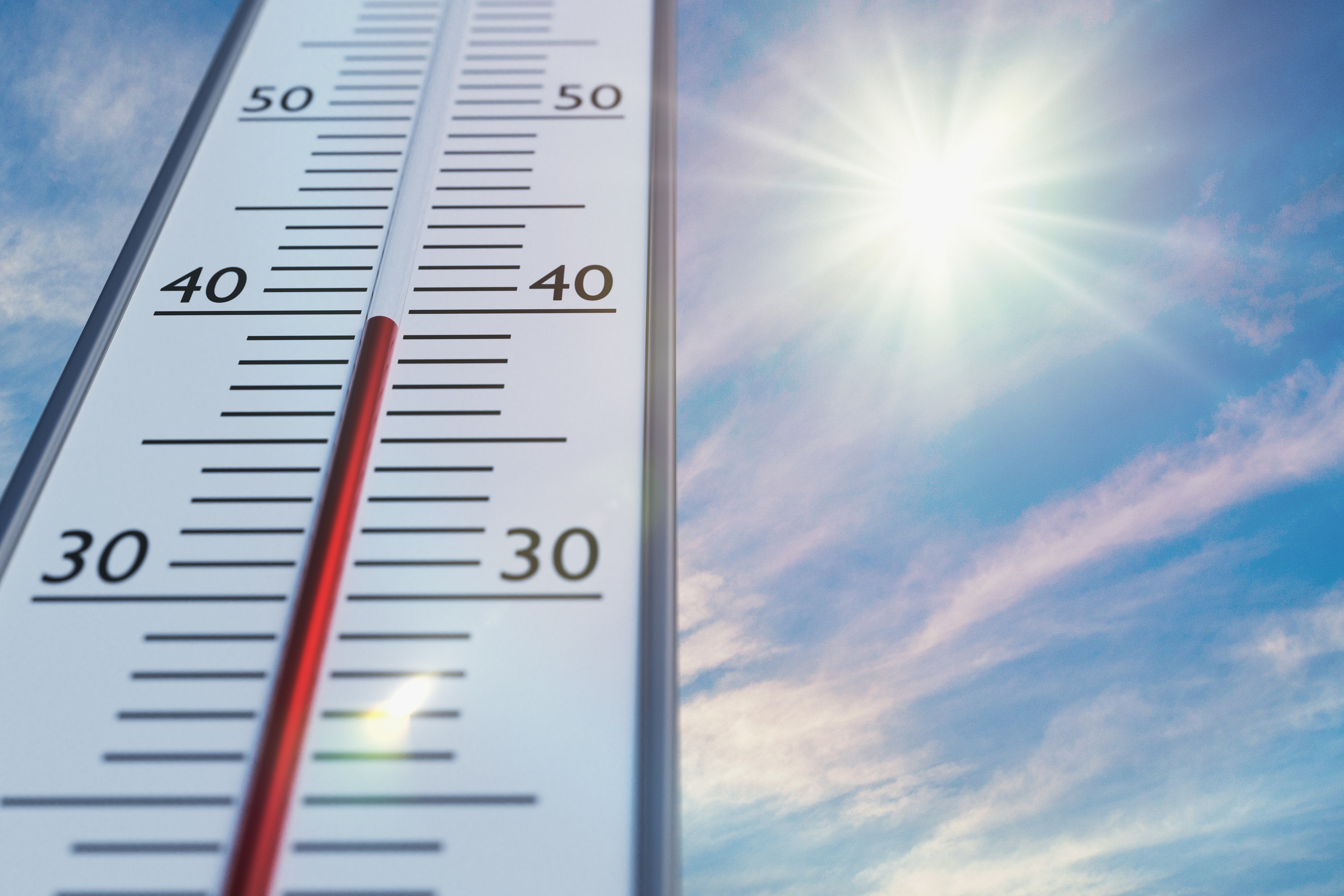
When the temperature soars and the sun feels more like a blowtorch than a warm embrace, gardens can go from lush to limp in record time. Plants that seemed unstoppable in spring suddenly wilt, leaves crisp, and blossoms droop under the relentless heat. But a heatwave doesn’t have to spell doom for your green space.
With the right strategies, a backyard can remain vibrant, productive, and even a little defiant against the scorching weather. The key is preparation, timing, and giving plants exactly what they need to stay resilient.
Timing is Everything with Watering
Watering in the middle of the day is like pouring tea into a desert—it vanishes before plants can sip a drop. The best time to hydrate is early morning or late evening when cooler air allows roots to absorb every ounce. Deep watering is far more effective than frequent sprinkles because it trains roots to reach down for moisture. A slow soak encourages stronger plants that can endure longer stretches between drinks. In a heatwave, think fewer shallow splashes and more intentional, generous soakings.
Mulch: The Unsung Hero
A thick layer of mulch acts like sunscreen for the soil, locking in moisture and shielding roots from blazing heat. Organic mulch such as straw, wood chips, or shredded leaves also breaks down over time, enriching the soil. It creates a buffer zone that stabilizes soil temperatures and keeps weeds from stealing precious water. In extreme heat, even a few extra inches of mulch can make the difference between thriving plants and wilted ones. Treat mulch like the garden’s protective armor—it’s simple, affordable, and incredibly effective.
Shade Isn’t Just for People
Plants suffer sunburn too, and shade cloth or temporary canopies can give them much-needed relief. Lightweight fabric allows air to circulate while blocking the most punishing rays. Tall crops or trellises can also serve as natural umbrellas for more delicate companions underneath. Even moving potted plants into partial shade can prevent sunscald and dehydration. Shade doesn’t stunt growth—it protects plants long enough to recover once cooler days return.
Soil Health Makes the Difference
Healthy soil acts like a sponge, holding water longer and delivering nutrients when plants need them most. Compost, worm castings, and organic matter improve the soil structure, boosting resilience in hot spells. Heat-stressed plants rely heavily on the underground ecosystem that supports their roots. A soil teeming with life is better at retaining moisture and bouncing back after extreme weather. Strong soil is the invisible ally that keeps the whole garden running during a heatwave.
Smart Plant Choices Save the Day
Not all plants can handle relentless heat, so picking the right varieties can prevent heartbreak. Drought-tolerant species, Mediterranean herbs, and native plants tend to shrug off scorching weather. Heat-loving veggies like peppers, eggplants, and okra may even thrive when others struggle. Mixing in tough survivors alongside thirstier crops balances the workload. Choosing plants wisely means less panic when the forecast turns fiery.
Containers Need Extra Care
Pots and planters heat up faster than garden beds, leaving roots exposed and thirsty. They often need more frequent watering and benefit from light-colored containers that reflect heat. Grouping pots together creates a microclimate that helps reduce water loss. Adding mulch on top of container soil is just as beneficial as in the ground. During a heatwave, containers should be watched closely since they can dry out in hours, not days.
Keep Foliage Trimmed and Tidy
Pruning excess growth reduces stress on plants already fighting to stay hydrated. Removing dead or damaged leaves helps direct energy toward survival rather than repair. Less foliage means less surface area for water loss and sun damage. Regular but careful trimming prevents plants from becoming overwhelmed in extreme heat. A neat, lean plant is far better equipped to handle scorching weather than a wild, overgrown one.
Rainwater Is Liquid Gold
Collecting rainwater ahead of time ensures a steady supply during dry spells. Stored rain is often cooler and softer than tap water, making it gentler on plants. Heatwaves tend to follow dry periods, so a full barrel can be a lifesaver. Even small collection systems make a noticeable difference in conserving resources. When every drop counts, rainwater is a gardener’s secret stash of hydration.
Don’t Forget the Pollinators
Extreme heat takes a toll on bees, butterflies, and other beneficial visitors as well. A shallow dish of water with pebbles gives them a safe spot to drink and rest. Providing flowering plants that bloom even in heat ensures pollinators stay active in the garden. Shade and water help these vital creatures just as much as plants. Protecting pollinators during heatwaves keeps the garden ecosystem balanced and thriving.
Harvest Strategically
Picking fruits and veggies at their peak reduces stress on the plant and prevents overripening in harsh conditions. Heat can speed up ripening, so checking crops daily ensures nothing goes to waste. Harvesting early in the morning preserves flavor and freshness before the sun ramps up. Removing heavy produce also lightens the plant’s load, allowing energy to focus on surviving. Smart harvesting keeps both the plants and the gardener rewarded during tough stretches.
Resilience Through Care
Heatwaves challenge every corner of a garden, but with thoughtful care, plants don’t just survive—they adapt and flourish. Watering wisely, protecting roots, and adjusting habits transform a stressful season into a manageable one. A thriving garden during a heatwave proves the power of planning and persistence. The strategies that safeguard plants now also strengthen them for the future.
What’s your go-to trick for keeping plants alive in sweltering heat? Share your thoughts or comment below to keep the conversation growing.
You May Also Like…
10 Gardening Habits That Are Actually Destroying Your Soil
Top 13 Benefits of Using Rice Hulls in Gardening
7 Insects Experts Warn Can Hitchhike Into Your House From the Garden
This Unusual Watering Schedule Is Saving Gardens During Heatwaves
Staying Safe While Gardening During a Heatwave

Brandon Marcus is a staff writer for FrugalGardening.com at District Media, Inc., where he delivers practical gardening advice with a relatable, no-nonsense style. An avid amateur gardener, he holds a BA degree and with over ten years of professional writing experience, he is also an award-winning published author whose first book, Questions For Deep Thinkers, was released by Adams Media. His work has appeared in major publications including Fandom.com, CHUD.com, TheColdWire.com, and Fansided.com.
Leave a Reply