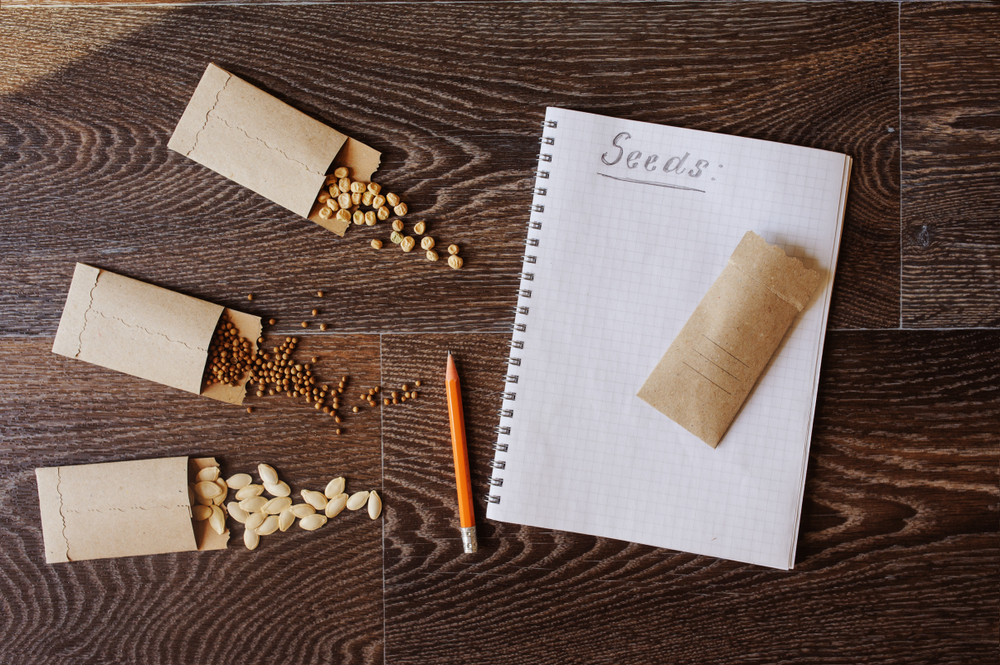
Gardeners routinely pull up plants in fall and throw away something they’ll pay money to replace a few months later: seeds. One healthy tomato, bean plant, pepper, or flower can potentially provide enough seed to start multiple plants next season, making saving garden seeds one of the simplest ways to trim next year’s gardening budget. The catch is that not every plant is equally easy to save, and seeds from hybrids may not produce plants resembling the ones you loved this year. University of Minnesota recommends choosing open-pollinated varieties because their offspring are much more likely to resemble the parent plants. If you want to try seed saving without turning your backyard into a plant-breeding experiment, these seven plants are excellent places to start.
1. Beans May Be the Easiest Seeds You’ll Ever Save
Beans practically tell you when their seeds are ready because the pods become brown, dry, and eventually start rattling. Instead of harvesting every bean for dinner, leave several pods on your healthiest open-pollinated plants until they’ve matured well beyond the normal eating stage. University of Minnesota recommends allowing bean pods to dry on the plant and then giving harvested pods additional time to dry indoors before removing the seeds. Oregon State University similarly recommends letting bean pods become “rattle dry” before collecting them. When saving garden seeds, beans provide a great return because a handful of forgotten-looking pods can supply plenty of seed for next year’s rows.
2. Peas Are Nearly as Simple
Peas work much like beans, which makes them another excellent crop for first-time seed savers. Leave selected pods on vigorous plants rather than picking them at the tender green stage, and wait until the pods turn dry and brown with mature peas rattling inside. Penn State lists peas among the best vegetables for beginning seed savers because they are self-pollinating, reducing the chances of unwanted crossing. Once completely dry, shell the peas, discard any damaged or suspicious-looking seeds, and label the good ones with the variety and year. If one $3 or $4 packet normally plants your pea bed, this five-minute fall chore could eliminate that purchase next spring.
3. Tomatoes Are Worth the Extra Step
If you grow an open-pollinated tomato you absolutely love, saving its seed can preserve that variety while lowering next year’s seed bill. Choose a fully ripe tomato from one of your healthiest and most productive plants rather than grabbing a random damaged fruit at the end of the season. Tomato seeds require a little more processing because they’re surrounded by gelatinous material, and it can be helpful to put the seeds and pulp in a container to ferment for two to three days before rinsing and drying the viable seeds. Oregon State’s more detailed seed-saving guide likewise discusses fermentation when processing wet seeds such as tomatoes. It takes more work than cracking open a bean pod, but saving garden seeds from a favorite heirloom tomato can give you dozens of potential plants from one fruit.
4. Peppers Give You Plenty of Seeds From One Fruit
That beautiful pepper you were about to slice for dinner may contain much of next year’s crop inside it. For seed saving, however, don’t necessarily harvest the fruit when you normally would for eating because the seeds need time to become fully mature. Allow peppers selected for seed to remain on the plant until fully ripe and beginning to wrinkle, then remove and dry the seeds. Open-pollinated peppers such as California Wonder, Habanero, and Corno di Toro are examples the university specifically identifies as varieties that can come true from seed. One mature pepper can contain far more seeds than the average home gardener needs, so this is also an easy crop to save and swap with friends.
5. Lettuce Can Produce More Seed Than You Expect
Gardeners who have watched lettuce bolt in summer may see it as a failure, but seed savers see next year’s garden forming. Allow one or two healthy open-pollinated lettuce plants to send up flower stalks rather than pulling them once the leaves become bitter. The flowers eventually develop small seed heads resembling miniature dandelions, and Penn State’s seed-saving instructions recommend collecting them before the wind carries the mature seeds away. You’ll have to separate the lightweight seeds from the fluffy material and chaff, but no complicated fermentation process is necessary. Learning this technique makes saving garden seeds particularly useful for gardeners who succession-plant lettuce and would otherwise purchase packets repeatedly.
6. Zinnias Can Fill Next Year’s Flower Bed for Almost Nothing
Vegetable seeds aren’t the only ones worth keeping, especially if you spend money every spring filling pollinator beds with annual flowers. Zinnias are among several flowers that lend themselves well to seed saving, along with calendula, marigolds, nasturtiums, nigella, morning glories, and others. Let selected blooms mature and dry rather than deadheading everything, then harvest the dried flower heads and finish drying them indoors if necessary. Save seeds from the healthiest plants with flower colors and growth habits you especially liked, while remembering that open-pollinated flowers can still produce some variation. A few paper envelopes of saved zinnia seed can potentially replace several packets you’d otherwise toss into the shopping cart next spring.
7. Calendula Is a Frugal Gardener’s Repeat Performer
Calendula earns a spot because it produces easily recognizable seeds and is forgiving enough for someone learning how seed saving works. Calendula is among annual plants that are easy to save, noting that annual herbs and flowers such as calendula and cilantro may even reseed themselves when mature seeds are allowed to fall. Instead of letting every seed scatter, collect some fully dried seed heads from healthy plants and store the seeds for deliberate planting next year. You’ll control where the next generation grows while preserving a plant you already know performs well in your garden. That’s one of the overlooked advantages of saving garden seeds: you’re not just getting free seeds, you’re saving genetics from plants that have already succeeded under your growing conditions.
Save the Right Seeds or Next Year’s Garden May Surprise You
Before collecting everything in sight, check your original packet or plant label for words such as “hybrid” or “F1.” Seeds collected from F1 hybrids can produce a mixture of plant types, while open-pollinated varieties are much more likely to resemble their parents. Completely dry your harvested seeds before storage, label them with the plant variety and collection year, and keep them cool, dry, and protected from moisture until planting season. Also be cautious with easily cross-pollinated crops such as squash, pumpkins, cucumbers, melons, gourds, and corn because nearby varieties can produce offspring quite different from what you’re expecting. Start saving garden seeds from the easy crops first, and you may discover that part of next year’s seed order is already growing in your backyard right now.
Which plant do you buy seeds for every year that you could start saving yourself? Tell us what you’re planning to collect in the comments.
What to Read Next
5 Plants You Should Never Burn in a Backyard Fire
Don’t Bring Your Outdoor Plants Inside Until You Check the Drainage Holes
Can You Really Grow Free Plants From Grocery Store Produce? Here’s What’s Worth Trying
Leave a Reply