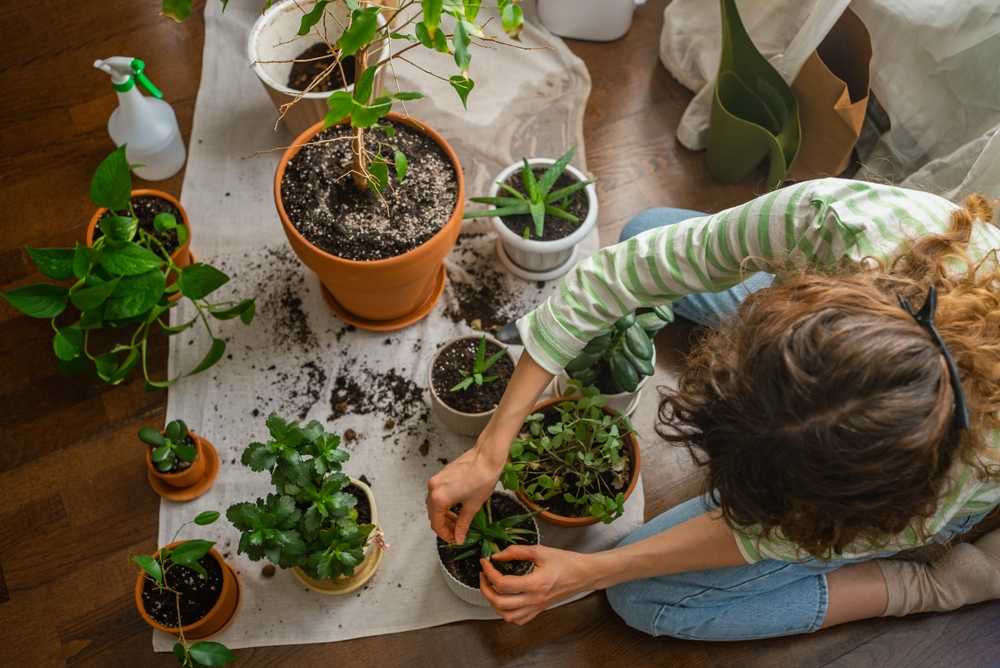
Rare plants are no longer the secret obsession of eccentric collectors hidden away in greenhouses. Today, the fascination with exotic foliage is booming, turning living rooms, kitchens, and even bathroom corners into miniature jungles. From jewel-toned begonias to carnivorous wonders, these plants are captivating gardeners everywhere with their unusual shapes, textures, and colors.
Indoor gardening offers a thrilling challenge—mimicking tropical climates and coaxing delicate species to thrive beyond their native habitats. And the best part? You don’t need acres of land; a simple windowsill can become the epicenter of botanical adventure.
The Rise Of Indoor Rare Plant Collecting
The trend of cultivating rare plants indoors has exploded in recent years, fueled by social media and plant-centered communities. Instagram and TikTok accounts dedicated to plant collections inspire novice gardeners to chase exotic species. Rare plants, like the Monstera obliqua or the variegated string of hearts, bring a sense of exclusivity and style to homes. Indoor cultivation allows gardeners to control temperature, humidity, and light in ways impossible outdoors. As a result, plant lovers are experimenting and succeeding with species that were once nearly impossible to grow outside their native regions.
Unique Aesthetics And Home Decor Appeal
Rare plants aren’t just greenery; they’re living art. Unusual leaves, vibrant blooms, and dramatic growth patterns can transform any room into an eye-catching showcase. Many designers now integrate rare plants into modern décor, blending foliage with furniture and lighting for a stunning effect. The appeal goes beyond looks—plants contribute to a calming, refreshing environment that boosts mood and creativity. As homeowners discover that a rare plant can be a statement piece, demand for these botanical treasure’s skyrockets.
Health And Wellness Benefits
Indoor rare plants offer more than aesthetic joy—they actively enhance well-being. Plants naturally filter the air, removing toxins and boosting oxygen levels in confined spaces. Caring for rare species also encourages mindfulness and reduces stress, providing a therapeutic escape from daily pressures. The complexity of nurturing delicate plants, from adjusting humidity to choosing the right soil, engages both mind and senses. For many gardeners, these benefits make the effort to grow rare species a deeply rewarding part of daily life.
The Challenge Of Cultivation
Growing rare plants indoors isn’t always easy, and that’s part of the thrill. Many exotic species require precise humidity, light, and temperature conditions to thrive. Enthusiasts enjoy experimenting with hydroponics, grow lights, and indoor terrariums to replicate natural habitats. Each plant presents a unique puzzle, from tricky watering schedules to pest management challenges. This combination of problem-solving and hands-on care creates a sense of accomplishment when a delicate plant finally flourishes.

Accessibility Through Online Marketplaces
The internet has revolutionized how gardeners access rare plants. Online marketplaces, plant swaps, and dedicated nurseries allow enthusiasts to find species previously limited to specific regions. This accessibility opens the door for collectors to diversify their indoor jungles with unusual and exotic plants. Virtual communities provide advice, tips, and inspiration, connecting gardeners who might otherwise struggle to source hard-to-find species. The ease of acquiring rare plants online accelerates the trend, making indoor cultivation more inclusive than ever.
Environmental Awareness And Sustainability
Indoor rare plant gardening encourages environmentally conscious practices. Gardeners often opt for sustainable soil mixes, organic fertilizers, and reusable containers to minimize ecological impact. Growing plants indoors reduces the need to source them from wild habitats, protecting endangered species and native ecosystems.
Many enthusiasts also propagate their plants through cuttings or seeds, sharing them with friends and family to extend their life cycles. By cultivating rare species responsibly, indoor gardeners can enjoy exotic flora while supporting conservation efforts.
A Sense Of Community And Shared Passion
Rare plant cultivation fosters a unique community spirit among gardeners. Plant clubs, online forums, and local meet-ups allow enthusiasts to exchange tips, successes, and even cuttings. This shared passion creates bonds over common challenges and victories, turning plant care into a social experience. Stories of rare finds, experimental techniques, and triumphant blooms inspire beginners and seasoned gardeners alike. For many, the community aspect enhances the joy of growing rare plants, making the hobby both personal and collaborative.
Technology And Innovation Driving Growth
Modern technology has made indoor rare plant gardening more achievable than ever. Advanced grow lights, climate control systems, and humidity monitors allow precise replication of exotic environments. Mobile apps now track watering schedules, sunlight exposure, and soil health, giving gardeners detailed insights into their plants’ needs. These innovations reduce guesswork and increase success rates, making even notoriously finicky plants accessible. The marriage of technology and horticulture continues to expand the boundaries of what gardeners can grow indoors.
Your Indoor Jungle Awaits
The allure of rare plants indoors lies in their beauty, challenge, and the sense of adventure they bring into our homes. From aesthetic marvels to wellness boosters, these species offer unique rewards for patient and curious gardeners. Growing rare plants is no longer a niche hobby; it’s a global movement embracing creativity, sustainability, and community. Whether you’re adding a single statement piece or building an entire indoor jungle, there’s never been a better time to dive into this fascinating world.
If you’ve grown rare plants indoors or are thinking about starting, leave your thoughts, experiences, or tips in the comments below because we’d love to hear your journey.
You May Also Like…
7 Container Gardens You Can Move Indoors for Winter Success
10 Terrariums Indoor Greenhouses You Can Set Up This Winter
12 Ways to Grow Microgreens Indoors While the Ground is Frozen
13 Indoor Plants to Rescue and Overwinter from the Garden
Do Holiday Plants Belong in Your Outdoor Garden or Just Indoors?

Brandon Marcus is a staff writer for FrugalGardening.com at District Media, Inc., where he delivers practical gardening advice with a relatable, no-nonsense style. An avid amateur gardener, he holds a BA degree and with over ten years of professional writing experience, he is also an award-winning published author whose first book, Questions For Deep Thinkers, was released by Adams Media. His work has appeared in major publications including Fandom.com, CHUD.com, TheColdWire.com, and Fansided.com.
Leave a Reply