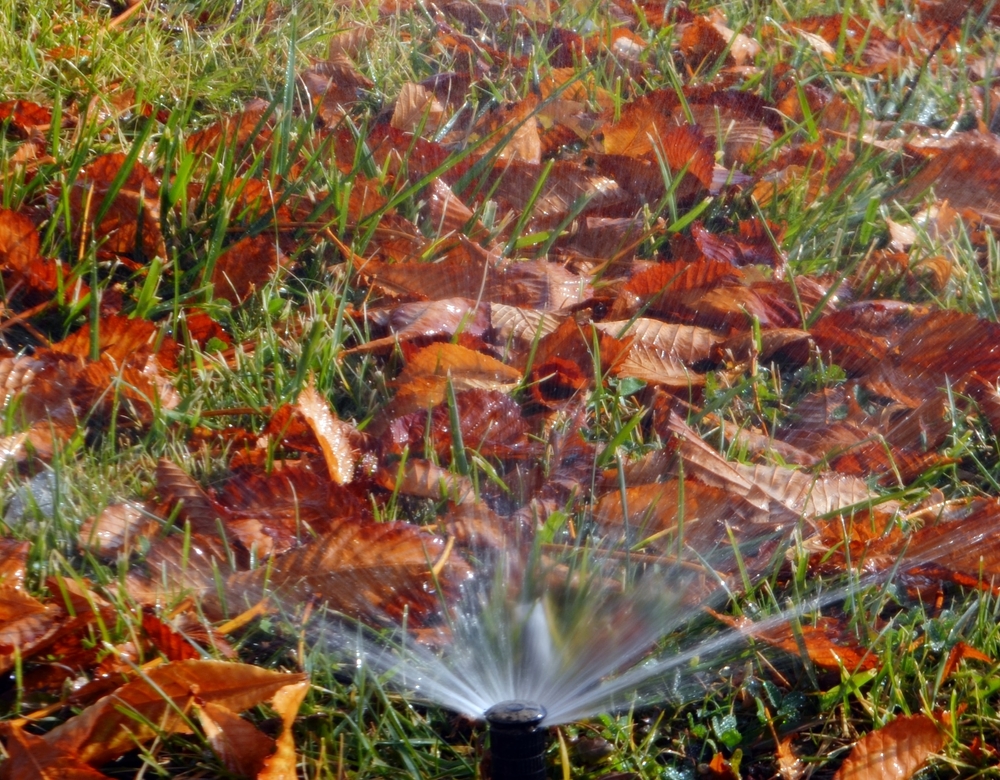
Cool October weather can fool you into thinking the watering can and garden hose are finished for the year. Newly planted trees and shrubs tell a different story because their limited root systems still need moisture even after summer heat disappears and leaves begin dropping. University of Minnesota notes that new plantings require regular, consistent watering while their roots become established, a process that can take considerably longer than one season. Getting fall watering for new trees right isn’t about soaking the yard constantly; it’s about delivering water where developing roots can use it without leaving them waterlogged. These practical rules can help protect the money and effort you’ve already invested in your landscape.
Don’t Stop Watering Just Because Summer Is Over
Lower temperatures reduce evaporation, but they don’t instantly eliminate a new tree’s need for water. Roots can continue growing during fall, and Iowa State University recommends continuing to water young trees during dry weather until the soil freezes. That moisture helps roots establish before they’re exposed to months of winter conditions without much opportunity for additional growth. A tree planted only a few weeks ago is especially vulnerable because most of its functioning roots are still concentrated around the original root ball rather than spread throughout the surrounding soil. Think of fall watering for new trees as part of planting rather than an optional chore that ends when gardening season feels finished.
Water the Root Ball, Not the Entire Yard
A newly planted tree doesn’t yet have the sprawling underground root system of the mature tree you hope it becomes. University of Minnesota recommends applying water directly over the root zone and suggests roughly 1 to 1.5 gallons per inch of trunk diameter for a new tree at each watering. Newly planted shrubs need a different calculation, with approximately one-quarter to one-third of the volume of the container in which the shrub was purchased. Slowly applying water to the root ball and immediately surrounding soil gives moisture time to penetrate rather than running across the surface. As roots spread outward over time, gradually expand the area you’re watering with them.
Deep Watering Beats a Daily Sprinkle
Standing outside for two minutes spraying the soil surface may make you feel productive without doing much for roots several inches underground. UMass says roots of new trees and shrubs should remain steadily moist but not soggy and recommends thorough watering that soaks the root area. Slow methods such as a gently running hose, soaker hose, or properly used watering bag can give water enough time to move downward instead of running into the lawn. Check the soil before watering again because heavy clay can stay wet much longer than sandy or fast-draining soil. Successful fall watering for new trees means alternating thorough watering with enough time for oxygen to remain available around the roots, not keeping the planting hole permanently saturated.
Don’t Assume a Rainy Day Did the Job
One of the easiest fall mistakes is looking out the window, seeing rain, and crossing watering off the list for another week. University of Minnesota recommends skipping scheduled supplemental watering only after substantial rainfall, giving more than an inch in a day as an example. Penn State similarly cautions that a heavy downpour can deliver impressive rainfall totals while allowing much of that water to run off before reaching a new tree’s root zone. Pull the mulch aside and check the soil itself rather than judging moisture by the appearance of the surface. A simple finger, trowel, or screwdriver check can tell you much more about what your tree received than yesterday’s weather forecast.
Pay Extra Attention to Evergreens
Deciduous trees eventually shed their leaves, but evergreens head into winter carrying needles or leaves that continue losing moisture. University of Maryland recommends deeply watering evergreens in fall before the ground freezes when precipitation has been insufficient. Newly planted evergreens deserve particularly close attention because their roots haven’t yet spread far enough to tap a large reservoir of soil moisture. Wind, winter sun, and frozen soil can create conditions in which foliage continues losing moisture while roots have limited ability to replace it. A good final soaking before freeze-up can therefore be especially valuable for arborvitae, pines, spruces, and other evergreen additions to the landscape.
Use Mulch to Make Your Watering Last Longer
A proper mulch ring can make fall watering for new trees more efficient by slowing evaporation and reducing competition from turf and weeds. University of Minnesota recommends organic materials such as wood chips and cautions against applying more than a 3-inch layer because excessively deep mulch can interfere with water and oxygen movement. Leave the root flare visible and keep mulch away from direct contact with the trunk instead of building the familiar “mulch volcano.” Mulch piled against bark can hold unwanted moisture around the trunk and contribute to plant-health problems rather than protecting the tree. Spread mulch outward over the root area so it works more like a broad insulating blanket than a mound.
Know When Winter Watering Still Makes Sense
In colder regions, regular watering generally ends when frozen soil can no longer absorb water effectively, but that doesn’t necessarily mean every plant can be ignored until spring. In dry climates and during prolonged snow-free periods, Colorado State University recommends supplemental winter watering when air and soil temperatures are above 40 degrees Fahrenheit, and the ground isn’t covered by snow. CSU notes that newly planted trees are particularly vulnerable to winter drought injury and recommends watering during the middle of the day so moisture has time to soak in before temperatures fall. Local climate matters tremendously here, so gardeners in Minnesota won’t follow exactly the same January routine as gardeners in Colorado, Virginia, or Tennessee. When you’re unsure, your state’s Cooperative office can provide guidance matched to local soil, temperatures, precipitation, and plant species.
The Last Watering of Fall Can Pay Off Next Spring
Trees and shrubs are expensive enough that losing one after planting hurts twice—you lose both the plant and the time spent getting it into the ground. Consistent fall watering for new trees gives developing roots a better chance to establish before winter while reducing stress that may not become obvious until spring or even the following summer. Water slowly at the root zone, check actual soil moisture instead of relying on appearances, adjust for meaningful rainfall, and continue until frozen soil or your local conditions tell you it’s time to stop. Pair sensible watering with a shallow, properly placed mulch layer, and resist the idea that more water is always better because saturated roots need oxygen too.
Do you continue watering newly planted trees and shrubs until the ground freezes, or have you traditionally put the hose away as soon as cooler fall weather arrives?
What to Read Next
You’re Still Watering Like It’s July — Your Fall Garden Doesn’t Need It
Your Garden Hose Could Be Quietly Adding to Your Water Bill
8 Ways to Protect Your Garden From Heat Without Running Up the Water Bill
Leave a Reply