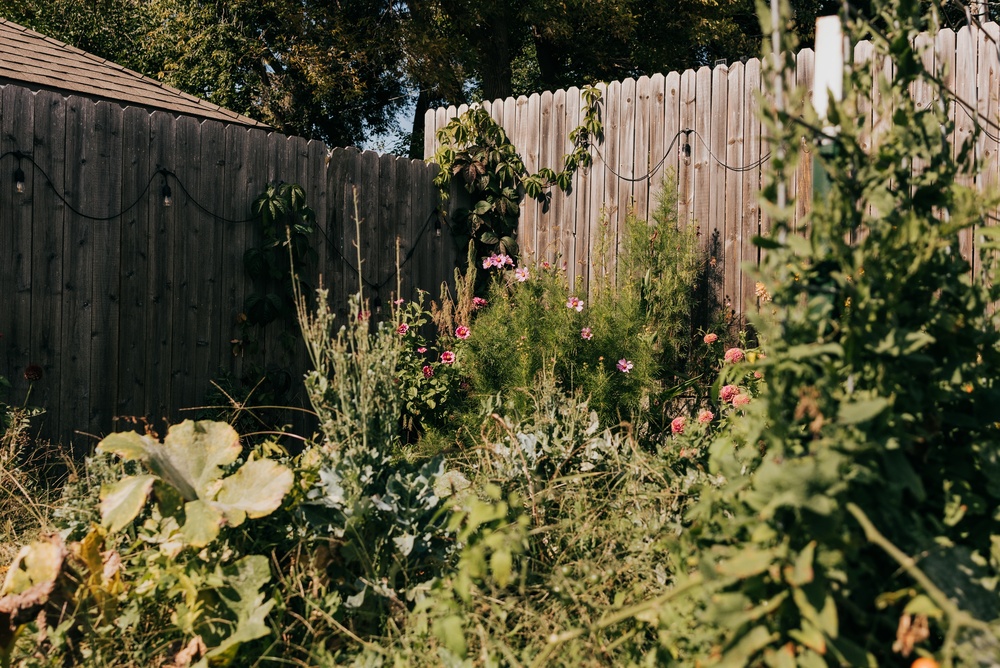
The instinct to clean up the yard every fall is hard to resist: rake every leaf, cut every brown stem, remove every dead flower head, and make the garden look tidy before winter arrives. Your neighbors may appreciate the neat landscaping, but the bees, butterflies, moths, and other beneficial insects that spent summer in your garden may have a different opinion. Many pollinators don’t disappear when cold weather arrives—they spend winter hidden in leaves, soil, dead stems, wood, and other places gardeners routinely remove during fall cleanup. The good news is that creating a pollinator-friendly fall garden doesn’t require letting your entire property become an overgrown mess. A few deliberately untidy areas can provide winter habitat while the rest of the yard still looks cared for.
Fallen Leaves Aren’t Just Yard Waste
Before filling another dozen lawn bags, consider what may already be living underneath those leaves. The Xerces Society’s updated fall guidance explains that many butterflies and moths overwinter in the landscape as eggs, caterpillars, chrysalises, or adults, with leaf litter providing critical shelter and insulation. Bumble bee queens may also spend winter only an inch or two underground, where a covering of leaves provides additional protection against harsh conditions. Instead of hauling every leaf to the curb, gardeners can gently rake some into flower beds, around trees, or into designated areas where they won’t smother turf. That’s an inexpensive way to create a pollinator-friendly fall garden using material you already have.
Dead Flower Stems Can Become Bee Homes
Those brown perennial stalks may look finished for the year, but cutting every one to the ground isn’t necessarily helpful to wildlife. According to NC State, cavity-nesting bees can use hollow or pithy stems, dividing the interior into chambers containing pollen and an egg. Researchers examined nearly 3,000 perennial stems collected from 20 gardens across 10 North Carolina counties and found bee nests, with clear seasonal differences in occupancy. Interestingly, their research suggests gardeners can trim perennial stems during their first winter to create suitable nesting sites rather than assuming everything must remain untouched until late spring. Leaving varied lengths of suitable stems gives a pollinator-friendly fall garden structure without requiring you to stare at six-foot dead plants all winter.
Most Native Bees Are Hiding Close to Home
When bees stop buzzing around your flowers, it’s easy to assume they’ve simply gone somewhere else. In reality, the Xerces Society notes that most native bee species spend winter in nests that were provisioned earlier in the year. North America has more than 4,000 species of native bees, and their nesting habits vary substantially, with some using stems and wood while many others nest underground. Xerces’ latest guidance estimates that roughly 70% of bee species are ground nesters, which is why aggressively tilling or digging every bare garden area can destroy habitat you didn’t know existed. Leaving selected soil patches undisturbed is another case where doing less garden work can actually accomplish something useful.
The Seed Heads Can Stay, Too
Garden cleanup often includes deadheading every flower and cutting ornamental plants down until little remains above the mulch. Yet standing seed heads can provide food for birds through the colder months, while stems and surrounding vegetation create valuable shelter for insects. Xerces’ guidance on natural nesting habitat recommends leaving flower gardens standing through winter, then pruning dead stalks at varying heights to create potential nesting sites for stem-nesting bees. Plants such as coneflowers, goldenrods, asters, sunflowers, and other sturdy perennials can also give a winter garden visual structure instead of making it look abandoned. Think of them as intentional winter landscaping rather than garden debris that needs to disappear.
You Don’t Have to Sacrifice the Lawn
Supporting insects doesn’t mean allowing several inches of leaves to bury an entire lawn. The Xerces Society specifically notes that leaves can be relocated into garden beds, around trees, or into designated sections of the landscape rather than remaining exactly where they fall. A thick accumulation can damage grass, while leaves placed on soil can help retain moisture, suppress weeds, add organic matter, and provide winter habitat. Xerces also recommends avoiding shredding leaves when possible because mowing them can destroy eggs, caterpillars, cocoons, and other organisms already using the material. A practical pollinator-friendly fall garden can therefore include a tidy lawn surrounded by beds where whole leaves are allowed to remain.
Some Garden Mess Really Should Go
“Leave the leaves” isn’t permission to ignore serious plant diseases or pest problems. Xerces’ guidance on natural pest control recommends removing fallen leaves and standing stems infected by fungi or other pathogens because leaving diseased vegetation can help infection return to new growth. Home compost piles may not become hot enough to reliably destroy some plant pathogens, making off-site disposal a safer choice for diseased material. Gardeners should also remove fallen fruit when it can harbor pests and deal with invasive plants rather than preserving them merely because insects might use them. The goal is selective messiness—keep healthy habitat while removing material with a legitimate reason to go.
Make the “Mess” Look Intentional
One of the easiest ways to avoid neighbor complaints is to give your wildlife habitat visible boundaries. Rake leaves off sidewalks and the center of the lawn but keep them inside defined beds, maintain clean edges, leave deliberate groups of standing perennials, and consider a small brush pile in a less visible corner. The Xerces Society even recommends explaining the purpose to neighbors or using pollinator-habitat signage when a less-manicured area could otherwise look neglected. This approach can be particularly useful where homeowners association standards or neighborhood expectations favor conventional landscaping, although homeowners should still check applicable property rules. Intentional design lets you create a pollinator-friendly fall garden without making the entire front yard look forgotten.
Less Fall Cleanup Can Save Money, Too
There’s an appealing frugal side to doing less garden cleanup: habitat doesn’t have to come from something you purchase. Fallen leaves become free mulch, standing stems provide free insect habitat, seed heads can feed wildlife, and leaving organic material in garden beds gradually returns nutrients to the soil. Xerces notes that beneficial predatory insects—including lady beetles, assassin bugs, minute pirate bugs, and syrphid flies—also use leaves, bark, and other sheltered areas for overwintering, potentially giving gardeners natural pest-control allies the following season. That doesn’t guarantee you’ll never have aphids or other pests, but creating habitat for beneficial insects supports a more diverse garden ecosystem without another bottle from the garden-center pesticide aisle. Sometimes the most frugal gardening decision is recognizing that nature has already supplied something useful for free.
A Little Untidiness Can Pay Off Next Spring
A pollinator-friendly fall garden doesn’t need to become a neighborhood eyesore or violate basic yard maintenance expectations. Keep walkways, drainage areas, and frequently used spaces clear while moving healthy leaves into beds, preserving selected stems and seed heads, minimizing unnecessary soil disturbance, and removing genuinely diseased vegetation. That middle ground gives overwintering bees, butterflies, moths, and beneficial insects places to survive without surrendering your entire landscape. Better yet, much of the habitat costs nothing because you’re simply keeping natural materials you would otherwise spend time removing.
Would you be willing to leave part of your yard intentionally messy through winter if you knew pollinators might be sheltering there? Share your thoughts in the comments.
What to Read Next
The Messy Garden Habit That Could Help Bees Survive Winter
10 Selections That Attract Bees, Butterflies, and Beneficial Insects
Leave a Reply