• Skip to primary navigation
  • Skip to main content
  • Skip to primary sidebar

Frugal Gardening

Simple ways to save money while you garden

  • About
  • Contact Us
  • Garden Frugally
  • Buy These
  • Privacy Policy
  • Navigation Menu: Social Icons

    • Facebook
    • Pinterest
    • Twitter

Garden Planning: Crop Rotation

January 9, 2025 by Steph Coelho Leave a Comment


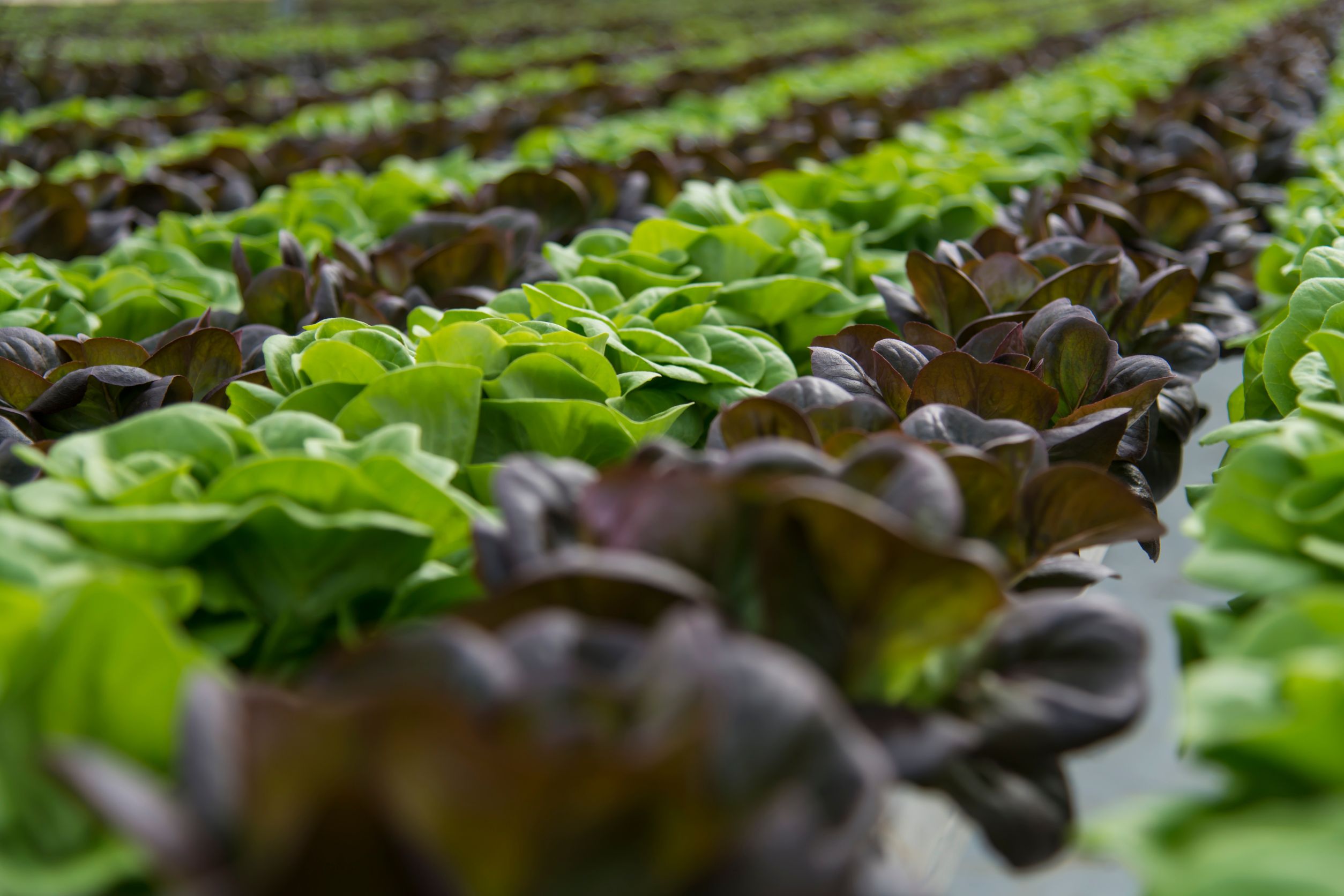
crop rotation

Image Source: Canva

I’ve said it before. It’s so important for a frugal gardener to plan. While gardeners without a strict budget can afford to be a little lax when it comes to planning, those who are looking to save money, in the long run, need to be meticulous and start thinking about their garden layout months, even years, in advance. It sounds overwhelming, but taking a bit of time to sketch it all out will save you from a headache later on. Visiting a farm supply store can be a great resource to use during this process. They can offer affordable supplies, bulk seeds, and knowledgeable advice to support both your gardening and homesteading efforts

Today, I want to talk a bit about crop rotation. It’s not often the first thing a gardener thinks about when drawing out plans for spring plantings. It’s even less on the mind of the gardener with little space to spare. I know plenty of gardeners who have a permanent spot for certain vegetables. The tomato patch goes here. The beans remain here, year after year. 

Unfortunately, relegating plants to the same area for each new gardening season is the perfect way to encourage pests, disease, and deficiency problems. If you’re wondering why your plants seem to be providing diminishing returns years down the road, a lack of rotation may be the answer.
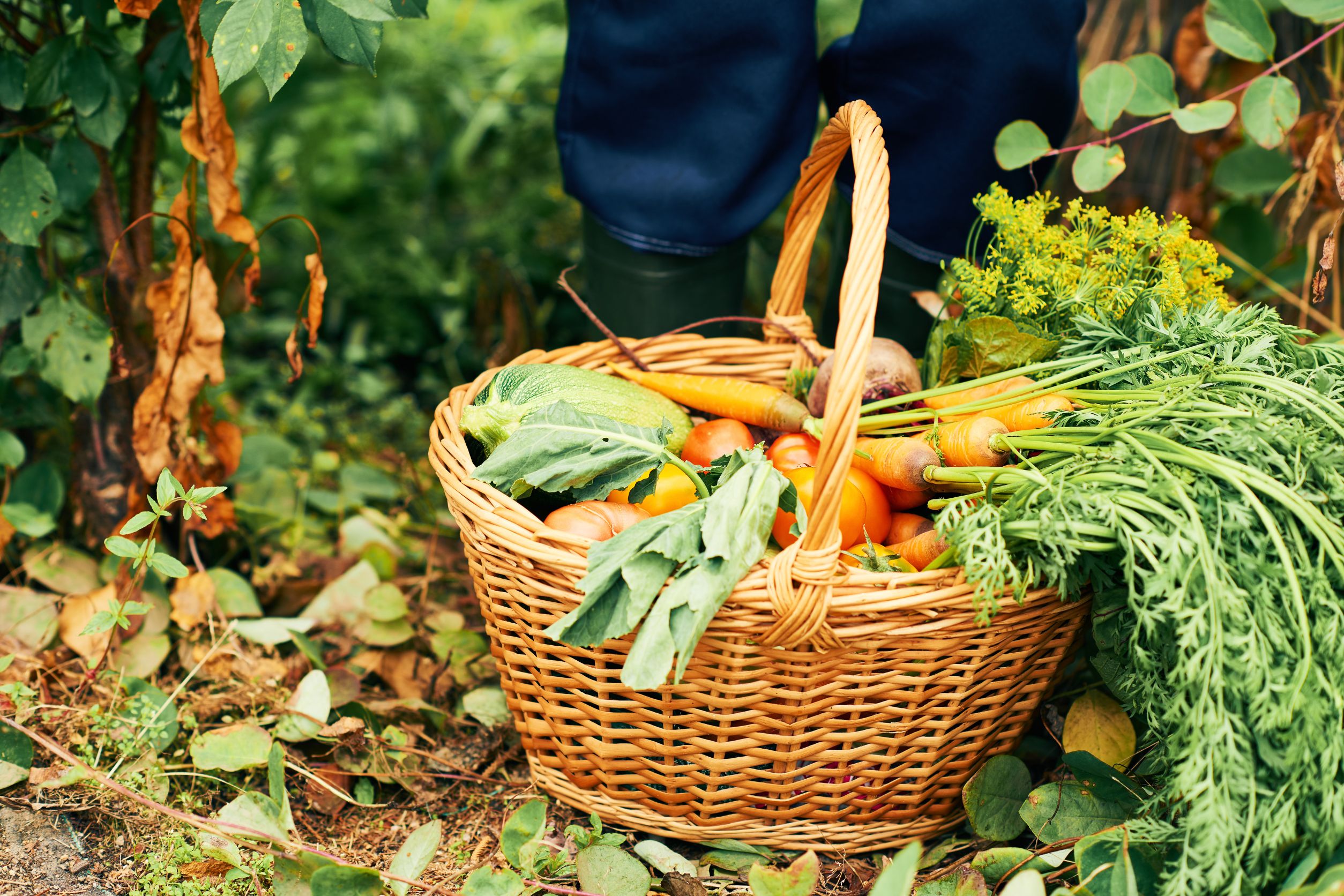
crops

Image Source: Canva

How to Plan for Crop Rotation

The easiest way to ensure crops are rotated correctly is to arrange plantings according to vegetable families. Planting in family groupings makes it easier to handle pests, too. 

Write everything down. Whether you’re planning or planting, make a note of what’s going where. It’s easy to miss this step and forget about marking down what you’re planting, but if you don’t note it somewhere, you’re unlikely to remember a year or two down the road. Once you’ve planted a specific vegetable family in a spot, you shouldn’t plant it again in that bed for a minimum of three years. 

How I Plan Out Crop Rotation

I arrange my four main raised garden beds into the four following families: brassicas (cabbage, kale, etc.), nightshades (tomatoes, peppers, eggplant), greens from the sunflower family & spinach relatives, and finally, cucurbits. I have a few other spots in my garden that act as miscellaneous areas where I can rotate out families or plant random stuff. This year, I actually plan to rotate my cucurbit patch to one of those ‘empty’ beds so that I can grow a second bed of brassicas in my main garden area. 

Here’s an example of how I plan for crop rotation. 
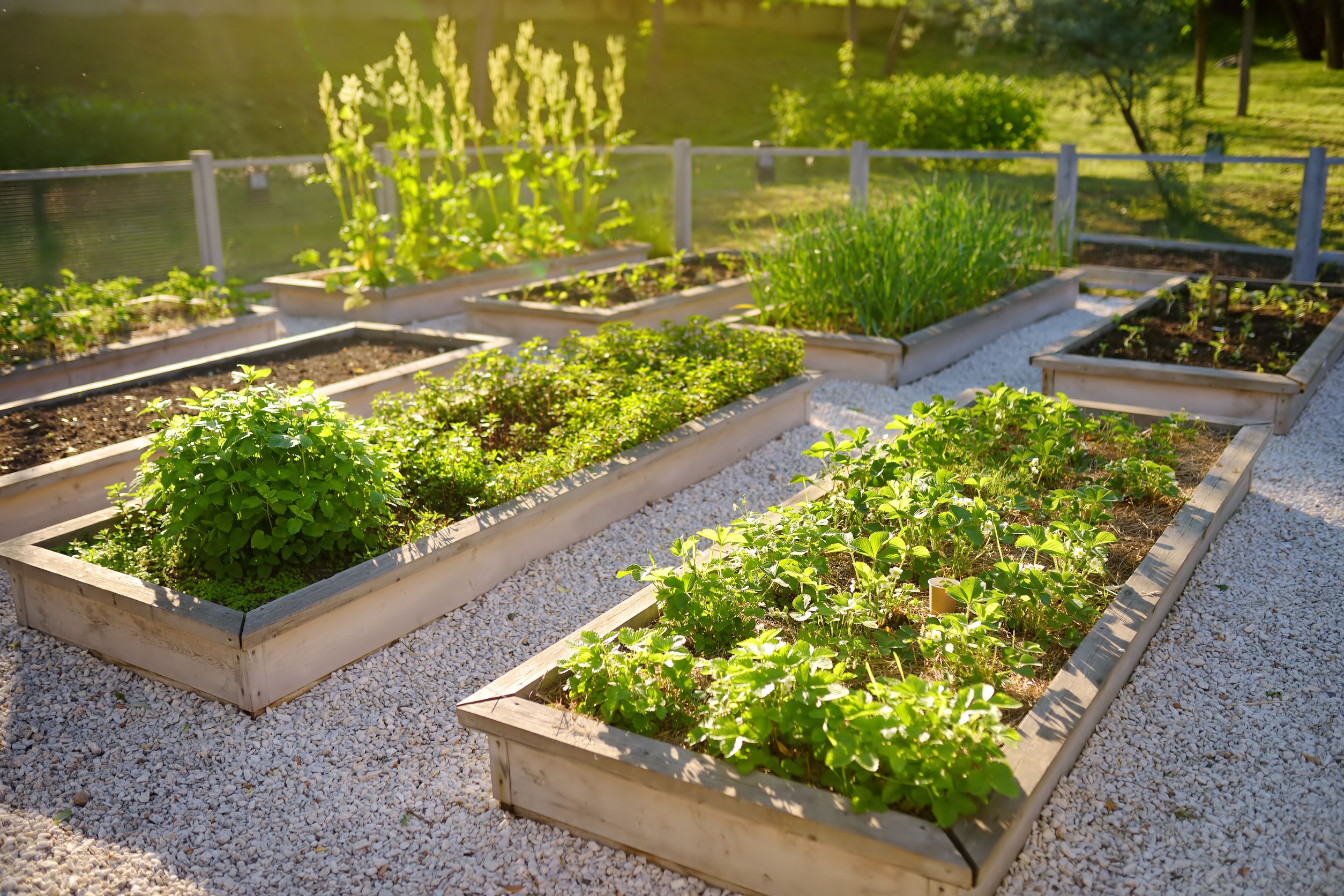
raised beds

Image Source: Canva

Last year, my four main beds looked like this:

  • Bed 1: Potatoes
  • Bed 2: Kale & Collards (the rest of my brassicas were in one of the miscellaneous beds)
  • Bed 3: Tomatoes, Peppers, Eggplant
  • Bed 4: Squash

Plan for this year:

  • Bed 1: Brassicas
  • Bed 2: Tomatoes, Peppers, Eggplant
  • Bed 3: Brassicas 
  • Bed 4: Greens (lettuce, spinach, etc.)
  • In my two spare beds, I’ll be putting squash and root veggies (carrots, beets, onions)

Next Year:

  • Bed 1: Beets, Carrots, Onions
  • Bed 2: Squash
  • Bed 3: Greens
  • Bed 4: Tomatoes, Peppers, Eggplant

Final Tip

When in doubt about what you’ve planted before in one spot, plant beans or some other non-demanding crop. 

Planning is important, but don’t take things so seriously that gardening becomes a chore. If you make a mistake, brush it off and make a note for next time.

If you’re not sure about which plant belongs to which family, check out this resource: https://extension.psu.edu/plant-rotation-in-the-garden-based-on-plant-families

Photograph of Steph Coelho.
Steph Coelho

Steph Coelho is a freelance writer gardening in zone 5b. She is a certified Square Foot Gardener and has taught various garden-related workshops. When she’s not digging in the dirt or writing, she’s cooking up fresh produce, running, or listening to her favorite podcasts.

Filed Under: gardening methods Tagged With: crop rotation, garden planning, gardening tips, soil health, sustainable gardening

Previous Post: « Stay Safe and Scratch-Free: Gardening Sleeves You’ll Love This Season
Next Post: Simple Steps to Keep Your Grass Green All Year »

Reader Interactions

Leave a Reply Cancel reply

Your email address will not be published. Required fields are marked *

Primary Sidebar

Struggling to get your garden off the ground? Put those days behind you with our special starter kit – perfect for thrifty green thumbs everywhere. Get growing and add a splash of color today!

Popular Posts

  • usda free seeds websiteHow To Get Free Seeds From The Government by Amanda Blankenship Seeds might seem like a small expense, but any seasoned…
  • Enviro Ice On PlantsShould I Use Enviro Ice On My Plants? by Kathryn Vercillo Every week, I receive food from Hungryroot. It's a great…
  • is shredded paper good for the gardenFrom Trash to Treasure: Transform Shredded Paper Into Garden Gold by Amanda Blankenship Should you use shredded paper as garden mulch? It might…
  • Enviro IceWhat Happens to Plants If You Use Enviro Ice on Them? by Amanda Blankenship About a year ago, I wrote our first article about…
6 Affordable Garden Border Ideas That Improve Curb Appeal

6 Affordable Garden Border Ideas That Improve Curb Appeal

A front yard doesn’t whisper first impressions—it shouts them. Crisp edges, thoughtful details, and a sense of intention instantly tell a story about the space, and garden borders sit right at the center of that narrative. Skip them, and everything blends into a messy blur. Add them, and suddenly the yard looks sharper, cleaner, and…

Read More

Low-Cost Cover Crops That Improve Soil Without Extra Work

Low-Cost Cover Crops That Improve Soil Without Extra Work

Stop throwing money at soil problems that fix themselves for free. Healthy soil does not demand expensive inputs, complicated routines, or endless hours of work. It thrives when it gets the right kind of help at the right time, and cover crops deliver exactly that without turning gardening into a second full-time job. Picture a…

Read More

5 Patio Herb Garden Ideas That Work for Renters and Small Spaces

5 Patio Herb Garden Ideas That Work for Renters and Small Spaces

A patio doesn’t need square footage to make a big impression. A few smart choices can turn even the tiniest outdoor corner into a thriving herb haven that smells incredible and actually saves money on groceries. Fresh basil, mint, and rosemary don’t demand sprawling backyard space, and they definitely don’t care about lease agreements or…

Read More

Why Moss Appears on Lawns and What It Says About Your Soil

Why Moss Appears on Lawns and What It Says About Your Soil

There’s no such thing as “just moss” when it shows up in a lawn. That soft, green carpet doesn’t arrive by accident, and it definitely doesn’t stick around for no reason. Moss shows up with a message, and it delivers that message loud and clear to anyone willing to look closely. It doesn’t shout like…

Read More

  • About
  • Contact Us
  • Garden Frugally
  • Buy These
  • Privacy Policy
  • Navigation Menu: Social Icons

    • Facebook
    • Pinterest
    • Twitter
  • Facebook
  • Pinterest
  • Twitter

Copyright © 2026 · Foodie Pro & The Genesis Framework