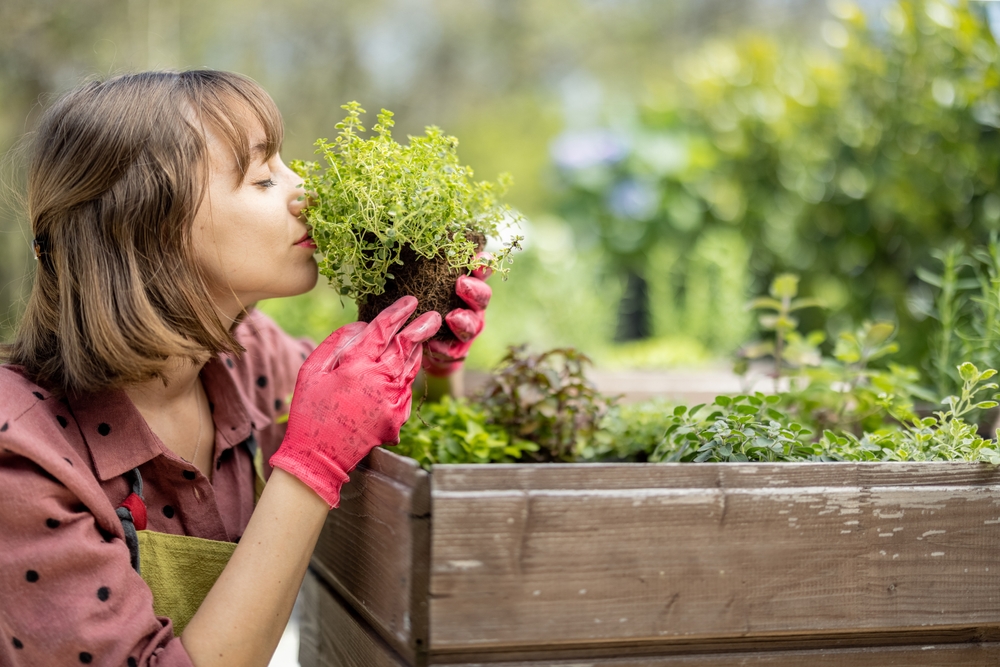
Fresh herbs have quietly become the kitchen’s secret weapon for better meals, lower grocery bills, and a more satisfying cooking routine. More people now skip the plastic clamshells at the store and head straight for small pots on windowsills, patios, and balconies. A few sprigs of basil or mint can completely change the flavor of a dish, and homegrown herbs deliver that punch at peak freshness. Store-bought herbs often wilt fast, lose flavor quickly, and come with packaging waste that feels unnecessary. Growing herbs at home gives control, convenience, and a steady supply of ingredients that always taste brighter.
This shift doesn’t require a big yard or fancy gardening skills either. Even a sunny windowsill can support a surprisingly productive herb setup. Basil, parsley, cilantro, thyme, and rosemary all adapt well to small containers and indoor conditions. Once people realize how simple it feels to snip fresh herbs while cooking, store-bought bundles start to feel less appealing. The trend continues to grow because it blends practicality with enjoyment in a way few other home habits can match.
Fresh Flavor That Store Shelves Can’t Compete With
Homegrown herbs deliver flavor that grocery store versions struggle to match. Once herbs get picked and packed, they start losing essential oils that give them their signature taste and aroma. A basil leaf picked right before it hits a pasta dish carries a sharp, sweet intensity that pre-packaged leaves rarely offer. That difference shows up immediately in salads, sauces, and soups, turning ordinary meals into something more vibrant. People notice the change fast and rarely go back once they experience it.
Fresh herbs from home also allow cooking to feel more flexible and creative. Instead of measuring out dried spices or rationing a small store-bought bunch, cooks can harvest exactly what they need. That freedom encourages experimentation with new flavor combinations. A quick snip of rosemary or dill can shift an entire dish without extra effort. This easy access turns everyday cooking into a more enjoyable and expressive routine.
Saving Money While Cutting Grocery Waste
Buying fresh herbs from grocery stores often feels frustrating because they cost a lot for such small amounts. Many bundles spoil before they even get fully used, especially if they sit in the fridge for a few days. Growing herbs at home removes that cycle of waste and repeat purchases. A single plant can provide weeks or even months of steady harvests with proper care. That steady supply helps households stretch food budgets in a simple but meaningful way.
Home herb gardens also reduce packaging waste that comes with store-bought options. Plastic containers, twist ties, and store labels pile up quickly when herbs become a regular grocery item. A countertop pot or backyard planter replaces all of that clutter with a living plant that keeps giving back. People appreciate how small changes like this create a cleaner kitchen routine. The savings add up over time without requiring major lifestyle changes.
Easy Access That Changes How Cooking Feels
Having herbs within arm’s reach changes how people cook in real time. Instead of stopping to check if a recipe requires dried spices, cooks can simply grab fresh leaves and add them directly. That immediacy speeds up meal preparation and encourages healthier, more flavorful cooking choices. Even simple dishes like scrambled eggs or roasted vegetables gain a fresh twist with a few clipped herbs. The kitchen starts to feel more like a creative space than a chore zone.
This convenience also reduces reliance on last-minute grocery runs. Missing cilantro or basil no longer ruins dinner plans because a small plant sits nearby ready to provide what’s needed. That reliability helps people feel more confident in the kitchen. It also encourages more home cooking instead of takeout because ingredients feel more accessible. Over time, herbs become a dependable part of daily cooking routines.
Small Space Gardening Fits Modern Living
Many people assume gardening requires a yard, but herbs prove that idea wrong quickly. Compact pots, vertical planters, and even recycled containers support healthy herb growth in tight spaces. Apartments, condos, and small homes all offer enough room for a thriving mini herb garden. Sunlight from a window or balcony usually provides everything most herbs need to grow well. That accessibility makes gardening feel realistic for almost any living situation.
Indoor herb setups also bring a touch of greenery into everyday life. A small cluster of plants on a kitchen counter adds color, texture, and freshness to the space. People often find that tending to herbs creates a calming daily habit, even if it only takes a minute or two. Watering, trimming, and harvesting build a gentle rhythm into busy routines. That simple connection to something living helps balance fast-paced modern schedules.
Common Mistakes That Slow Herb Growth
Many new herb growers run into issues by overwatering their plants. Herbs prefer soil that drains well, and too much water can weaken roots quickly. Letting the top layer of soil dry slightly between watering sessions keeps most herbs healthier. Sunlight also plays a major role, and many herbs need several hours of light each day to stay strong. Placing pots near bright windows helps prevent weak, leggy growth.
Another common mistake involves overcrowding multiple herbs in one container. Different herbs grow at different speeds and compete for space, nutrients, and light. Giving each plant enough room allows roots to spread and leaves to develop fully. Regular trimming also helps plants grow fuller instead of tall and sparse. Small adjustments like these make a big difference in long-term success.
A Simple Shift That Changes Everyday Cooking
Growing herbs at home continues to gain popularity because it blends flavor, savings, and convenience into one easy habit. Fresh leaves right from a windowsill or balcony elevate meals without extra effort or expense. Small spaces still support impressive herb growth, which makes this trend accessible to almost anyone. Cooking feels more flexible and enjoyable when ingredients sit just a few steps away. Over time, these small plants reshape how people think about food preparation and freshness.
What herb would make the biggest difference in your kitchen if it grew right on your windowsill? Give us your thoughts below in our comments!
You May Also Like…
Don’t Let Your Herbs Bolt—Pinching Tricks to Keep Cilantro and Basil Going
Grow Your Own Medicine Cabinet: Affordable Herbs to Plant This Summer
6 Options That Transition Well Between Indoor and Outdoor Growth
6 Culinary Herbs That Take Off Quickly When Planted Now
Why DIY Bath Salts From Garden Herbs May Be Causing Skin Reactions

Brandon Marcus is a staff writer for FrugalGardening.com at District Media, Inc., where he delivers practical gardening advice with a relatable, no-nonsense style. An avid amateur gardener, he holds a BA degree and with over ten years of professional writing experience, he is also an award-winning published author whose first book, Questions For Deep Thinkers, was released by Adams Media. His work has appeared in major publications including Fandom.com, CHUD.com, TheColdWire.com, and Fansided.com.
Leave a Reply